Sustainable Fashion 2026: 7 Key Trends for an Eco-Friendly Wardrobe
The 2026 Guide to Sustainable Fashion: 7 Key Trends Reshaping Your Wardrobe for a 15% Eco-Friendly Boost
The fashion industry is undergoing a monumental transformation, driven by an urgent need for environmental responsibility and ethical practices. As we look towards 2026, the concept of "sustainable fashion trends" is no longer a niche concern but a mainstream imperative. Consumers are increasingly aware of the environmental and social costs of fast fashion, leading to a powerful demand for alternatives that prioritize people and the planet. This comprehensive guide will delve into the seven most impactful sustainable fashion trends poised to reshape your wardrobe by 2026, offering practical insights on how you can achieve a remarkable 15% eco-friendly boost in your personal style.
Understanding these shifts is crucial not just for conscious consumers but for anyone interested in the future of style. From innovative materials to revolutionary consumption models, sustainable fashion is evolving at an unprecedented pace. Our goal is to equip you with the knowledge and inspiration to navigate this exciting landscape, making informed choices that reflect your values without compromising on aesthetics or quality.
The journey towards a more sustainable wardrobe is a continuous one, filled with learning and adaptation. By embracing these emerging sustainable fashion trends, you’re not just following a fad; you’re contributing to a healthier planet and a more equitable industry. Let’s explore the future of fashion, one conscious choice at a time.
Advertisements
1. The Rise of Regenerative Agriculture and Materials
One of the most significant shifts in sustainable fashion for 2026 is the widespread adoption of materials sourced from regenerative agriculture. Traditional farming practices often deplete soil health, contribute to deforestation, and require vast amounts of water and pesticides. Regenerative agriculture, however, focuses on restoring soil biodiversity, sequestering carbon, and improving ecosystems. This holistic approach yields fibers that are not only eco-friendly but often superior in quality.
What is Regenerative Agriculture?
Regenerative agriculture is a conservation and rehabilitation approach to food and farming systems. It focuses on topsoil regeneration, increasing biodiversity, improving the water cycle, enhancing ecosystem services, supporting bio-sequestration, increasing resilience to climate change, and strengthening the health and vitality of farm soil. For fashion, this means cotton grown in fields that actively improve the land, wool from sheep grazed in a way that revitalizes pastures, and even innovative materials derived from cover crops.
Impact on Sustainable Fashion Trends
By 2026, expect to see a surge in clothing labels proudly highlighting their use of "regenerative cotton," "regenerative wool," and other fibers. Brands are investing heavily in these supply chains, recognizing the long-term benefits for both the environment and their brand image. Consumers will be able to trace their garments back to farms that are actively healing the planet. This trend moves beyond simply "organic" to actively "restorative," setting a new benchmark for environmental responsibility in textiles. Look for certifications that verify regenerative practices when making your purchasing decisions.
2. Bio-Fabric Innovation: Beyond the Usual Suspects
While organic cotton and recycled polyester have paved the way, 2026 will see an explosion of truly novel bio-fabrics. Scientists and innovators are developing materials from unexpected sources, pushing the boundaries of what’s possible in sustainable fashion. These advancements are crucial for reducing reliance on petrochemicals and minimizing the environmental footprint of textile production.
Mushroom Leather, Pineapple Fibers, and Algae-Based Textiles
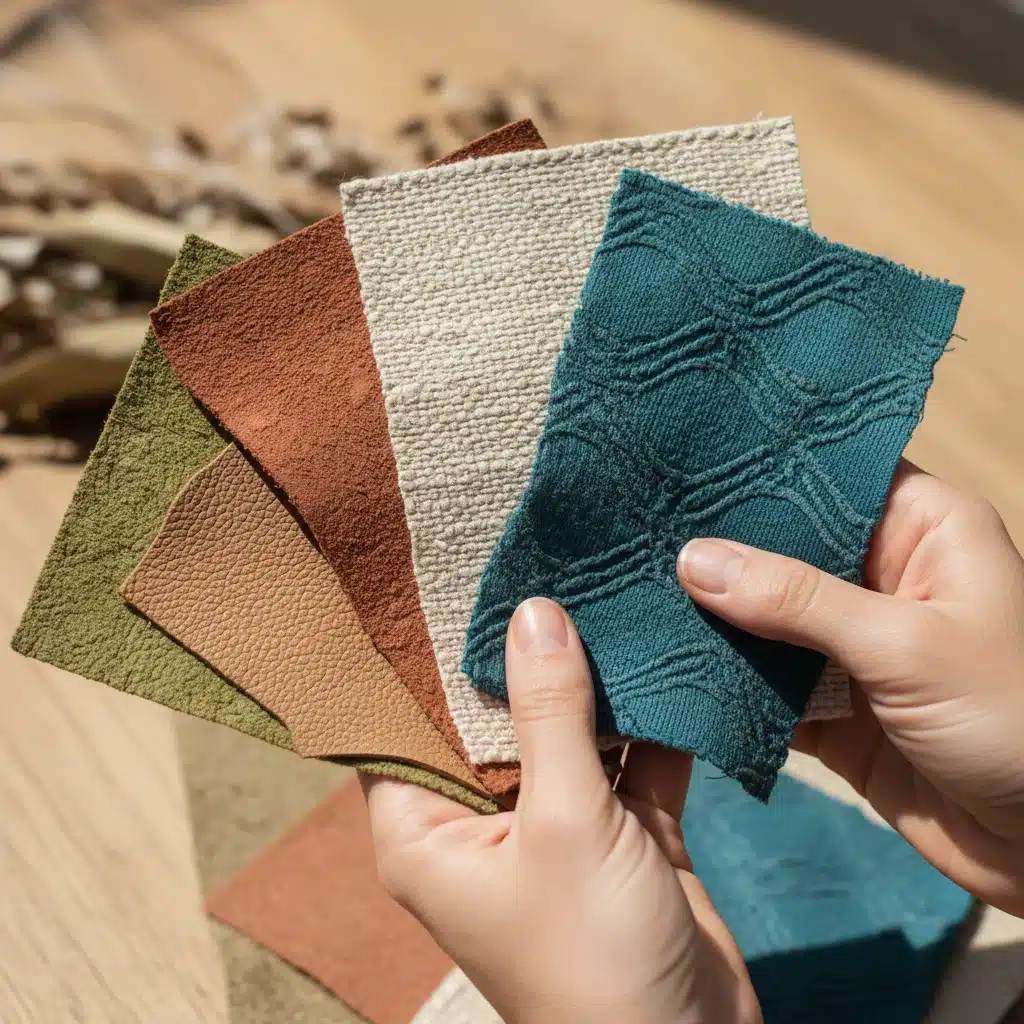
Imagine wearing a jacket made from mycelium (the root structure of mushrooms) that mimics the look and feel of animal leather, but is entirely biodegradable and cruelty-free. Or perhaps a dress crafted from pineapple leaf fibers, offering a silky texture with remarkable durability. Algae is also emerging as a versatile resource, capable of producing dyes, pigments, and even bio-plastics for accessories. These aren’t just laboratory experiments; many of these materials are already entering commercial production and will become more widely available by 2026.
The Benefits of Next-Gen Bio-Fabrics
These innovative materials offer a multitude of advantages: reduced water consumption, lower greenhouse gas emissions, biodegradability, and often, unique aesthetic qualities. They challenge the notion that sustainable fashion must compromise on style or performance. As research and development continue, the cost of these bio-fabrics is expected to decrease, making them more accessible to a broader market. Keeping an eye on brands experimenting with these cutting-edge textiles will be key to staying ahead in sustainable fashion trends.
3. Circularity as the New Standard: Design for Longevity and Recycling
The linear "take-make-dispose" model of fashion is rapidly becoming obsolete. By 2026, circularity will be a non-negotiable aspect of sustainable fashion trends. This means designing garments with their entire lifecycle in mind: from sourcing materials that can be recycled or composted, to creating durable pieces that last, and finally, facilitating their return and reuse.
Designing for Disassembly and Recyclability
Brands are increasingly adopting "design for disassembly" principles, where garments are constructed using single-fiber materials or easily separable components. This makes recycling far more efficient, preventing valuable resources from ending up in landfills. Expect to see clothing made from 100% recyclable polyester or cotton, with clear instructions on how to return them to the brand for reprocessing. The goal is to keep materials in use for as long as possible, minimizing waste and resource extraction.
Take-Back Programs and Textile-to-Textile Recycling
Major fashion players are investing in robust take-back programs, allowing consumers to return old garments for recycling or upcycling. Advances in textile-to-textile recycling technology mean that old clothes can be broken down and spun into new fibers, creating a truly closed-loop system. This trend encourages consumers to view their clothing not as disposable items, but as valuable resources that can be continuously reimagined. Supporting brands with transparent circular initiatives is a powerful way to participate in this sustainable shift.
4. Hyper-Local Production and Supply Chain Transparency
The pandemic highlighted the vulnerabilities of global supply chains and spurred a renewed interest in local production. By 2026, hyper-local manufacturing will be a significant sustainable fashion trend, reducing carbon footprints associated with transportation and fostering community economies.
Benefits of Local Production
Producing garments closer to home or to the point of sale significantly cuts down on shipping emissions. It also allows for greater oversight of labor practices, ensuring fair wages and safe working conditions. This trend fosters a stronger connection between consumers and the origins of their clothing, promoting a sense of community and craftsmanship. Brands that embrace local artisans and manufacturers will gain a competitive edge in the conscious consumer market.
Blockchain for Transparency
To combat greenwashing and build consumer trust, blockchain technology is becoming integral to supply chain transparency. By 2026, many brands will use blockchain to provide immutable records of a garment’s journey, from raw material to finished product. Consumers will be able to scan a QR code on a label and see exactly where the cotton was grown, who spun the yarn, where the fabric was dyed, and who stitched the final garment. This level of transparency empowers consumers to make truly informed choices and holds brands accountable for their ethical and environmental claims.
5. The Renaissance of Repair, Rental, and Resale (The Three R’s)
Owning less and utilizing more is a core tenet of future sustainable fashion. The "Three R’s" – Repair, Rental, and Resale – will move from niche services to mainstream consumption models by 2026, fundamentally altering how we interact with our wardrobes.
Repair Culture: Extending Garment Life
As quality and longevity become paramount, the art of repair is experiencing a resurgence. Brands are offering in-house repair services, partnering with local tailors, or providing DIY repair kits. This encourages consumers to mend rather than discard, fostering a deeper appreciation for their clothing and reducing textile waste. Learning basic mending skills or finding a trusted local repair shop will become an essential part of a sustainable lifestyle.
Rental Services: Access Over Ownership
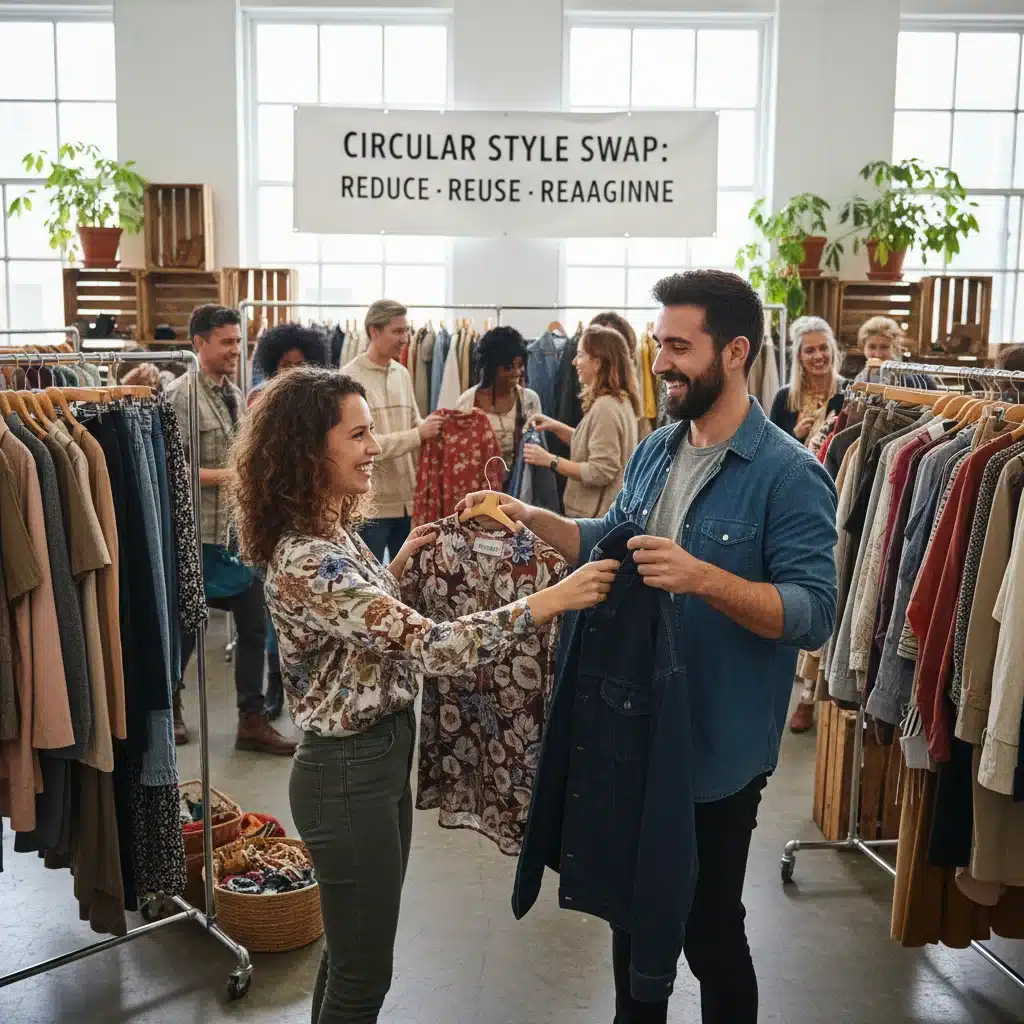
For special occasions, rapidly changing trends, or high-value items, clothing rental services are an increasingly popular and sustainable option. From designer gowns to everyday workwear, renting allows consumers to enjoy a diverse wardrobe without the environmental impact or financial commitment of ownership. This model promotes a circular economy by maximizing the utility of each garment. Expect to see more brands launching their own rental platforms or partnering with existing ones.
Resale Market Dominance: Pre-Loved is the New New
The secondhand market is booming, and by 2026, it will be an even more dominant force in fashion. Online consignment stores, peer-to-peer selling platforms, and brand-owned resale initiatives are making it easier than ever to buy and sell pre-loved clothing. This extends the life of garments, reduces demand for new production, and offers a more affordable entry point into high-quality or designer pieces. Embracing resale, both as a buyer and a seller, is one of the most impactful ways to participate in sustainable fashion trends.
6. Digital Fashion and Virtual Wardrobes for Reduced Physical Consumption
While physical clothing remains essential, the digital realm offers a fascinating frontier for sustainable fashion. Digital fashion and virtual wardrobes are emerging as powerful tools to reduce physical consumption, experiment with style, and minimize environmental impact, especially in the context of social media and online presence.
Virtual Try-On and Avatars
Augmented reality (AR) try-on features are becoming more sophisticated, allowing consumers to virtually try on clothes before purchasing. This reduces returns (a significant environmental burden) and helps make more informed buying decisions. Beyond that, digital fashion designers are creating entire collections that exist only in the virtual world, designed for avatars in metaverses or for digital photo shoots. This allows for creative expression without any physical waste.
The Environmental Benefits of Digital Fashion
By shifting some fashion consumption to the digital space, we can significantly reduce the demand for physical resources, water, and energy associated with manufacturing, shipping, and disposing of garments. While not a complete replacement for physical clothing, digital fashion offers a complementary solution for reducing our overall fashion footprint. It encourages a new way of thinking about clothing as an experience and a form of self-expression, rather than solely a tangible product.
7. Slow Fashion Philosophy: Quality Over Quantity
Underpinning all these trends is the enduring philosophy of slow fashion. By 2026, a conscious move away from fast fashion’s disposable culture towards appreciating craftsmanship, durability, and timeless design will be a defining characteristic of sustainable fashion trends.
Investing in Timeless Pieces
Consumers are increasingly prioritizing quality over quantity, opting for well-made, versatile garments that will last for years rather than fleeting trends. This means investing in classic silhouettes, durable fabrics, and ethical brands that stand behind their products. A smaller, carefully curated wardrobe of high-quality items reduces overall consumption and waste.
Mindful Consumption and Personal Style
Slow fashion encourages a more mindful approach to shopping. It involves asking critical questions before purchasing: Do I need this? Is it well-made? Will it last? Does it align with my values? This thoughtful process helps cultivate a more authentic personal style that isn’t dictated by fleeting trends but by individual preference and ethical considerations. Embracing slow fashion is perhaps the most fundamental step towards a truly sustainable wardrobe and achieving that 15% eco-friendly boost.
Achieving Your 15% Eco-Friendly Wardrobe Boost by 2026
Integrating these sustainable fashion trends into your daily life doesn’t require an overnight overhaul. Small, consistent changes can lead to significant impact. Here’s how you can aim for a 15% eco-friendly boost:
- Start Small: Replace one fast fashion item with a sustainable alternative each month.
- Embrace Secondhand: Make your next purchase a pre-loved item.
- Repair First: Before replacing, try to mend or alter damaged clothing.
- Rent for Occasions: Instead of buying a new outfit for a single event, rent it.
- Educate Yourself: Learn about sustainable materials and ethical brands.
- Support Local: Seek out designers and brands that produce locally.
- Ask Questions: Interrogate brands about their supply chains and practices.
- Care for Your Clothes: Proper washing and storage extends garment life.
- Participate in Take-Backs: Utilize brand recycling programs.
- Curate Your Wardrobe: Focus on versatile, high-quality pieces you truly love.
By consciously adopting even a few of these practices, you’ll be well on your way to a more sustainable, ethical, and stylish wardrobe by 2026.
Conclusion: The Future is Sustainable, Stylish, and Responsible
The landscape of fashion is undeniably shifting. The sustainable fashion trends of 2026 paint a picture of an industry that is more innovative, transparent, and responsible than ever before. From the soil where our fibers grow to the digital spaces where we express our style, every aspect is being re-evaluated through an eco-conscious lens.
Embracing regenerative materials, bio-fabric innovation, circular design, hyper-local production, the power of the three R’s (Repair, Rental, Resale), digital fashion, and the overarching philosophy of slow fashion are not just choices for the environmentally devout; they are becoming the hallmarks of modern, forward-thinking style. By integrating these trends, you’re not only reducing your environmental footprint by a significant margin – easily achieving that 15% eco-friendly boost – but you’re also investing in higher quality, more unique pieces that tell a story of conscious consumption.
The future of fashion is one where style and sustainability are intrinsically linked. It’s an exciting time to be a fashion enthusiast, as every choice we make has the power to shape a more beautiful and equitable world. Let’s step into 2026 with wardrobes that reflect our values and our vision for a sustainable future.