Emerging Designers’ Guide to US Manufacturing: Reducing Costs by 10% in 2026
Emerging Designers’ Guide to US Manufacturing: Reducing Costs by 10% in 2026
The dream of every emerging designer is to bring their creative visions to life, and for many, ‘Made in USA’ is not just a label but a commitment to quality, ethical production, and supporting local economies. However, the reality of manufacturing in the United States often comes with a higher price tag compared to overseas alternatives. This perceived cost barrier can deter promising talents from pursuing domestic production, forcing them to compromise on their values or their profit margins. But what if there was a way to significantly reduce US manufacturing costs without sacrificing quality or ethical standards? This comprehensive guide is specifically crafted for emerging designers aiming to achieve a remarkable 10% reduction in their US manufacturing costs by 2026. We will delve into actionable strategies, innovative approaches, and practical tips that will not only make domestic production more accessible but also more profitable.
The landscape of manufacturing is constantly evolving, with new technologies, sustainable practices, and supply chain optimizations emerging regularly. For emerging designers, staying abreast of these changes and strategically implementing them can be the key to unlocking substantial savings. Our focus is on providing a roadmap that empowers you to navigate the complexities of US manufacturing, identify areas for cost reduction, and build a resilient, efficient, and profitable production model right here at home. By the end of this guide, you will be equipped with the knowledge and tools to make informed decisions that will positively impact your bottom line and solidify your brand’s commitment to American-made excellence.
Achieving a 10% reduction in US manufacturing costs by 2026 is an ambitious yet entirely attainable goal. It requires a multifaceted approach that touches upon every stage of the production process, from initial design and material sourcing to manufacturing techniques and logistics. This guide will break down these complex areas into digestible, actionable steps, ensuring that even designers new to manufacturing can implement these strategies effectively. We’ll explore how leveraging technology, fostering strong partnerships, and embracing lean manufacturing principles can transform your cost structure and pave the way for sustainable growth. The journey to more affordable US manufacturing begins now, and with the right strategies, your brand can thrive while proudly producing in America.
Advertisements
Understanding the Current US Manufacturing Landscape and Its Costs
Before diving into cost reduction strategies, it’s crucial to understand the factors contributing to current US manufacturing costs. Labor, materials, overheads, and regulatory compliance are significant components. While US labor costs are generally higher than in many other countries, this is often offset by higher productivity, better quality control, and reduced lead times. However, for emerging designers with limited budgets, these initial costs can seem daunting. The goal isn’t to drive down wages but to optimize processes and leverage efficiencies that make the overall production more cost-effective.
Material costs fluctuate based on global markets, but local sourcing can mitigate some of these variations and reduce transportation expenses. Overhead costs, including rent, utilities, and machinery maintenance, can also be substantial. Understanding these foundational cost drivers is the first step towards identifying areas where strategic interventions can yield the most significant savings. Furthermore, the US manufacturing sector is increasingly embracing automation and advanced technologies, which, while requiring initial investment, offer long-term cost benefits through increased efficiency and reduced waste. For emerging designers, this means exploring opportunities to partner with manufacturers who are already leveraging these advancements or to integrate them into their own smaller-scale operations.
The regulatory environment in the US also plays a role in manufacturing costs. Adherence to labor laws, environmental regulations, and safety standards is essential and can involve compliance costs. However, these regulations also ensure a high standard of production and worker welfare, which can be a strong selling point for conscious consumers. By understanding and proactively planning for these regulatory aspects, designers can avoid costly last-minute adjustments and ensure their production is both ethical and efficient. The key is to view these costs not as obstacles, but as integral parts of producing a high-quality, responsible product that resonates with today’s market. A thorough analysis of your current cost structure will provide the baseline against which you can measure your 10% reduction target.
Strategic Sourcing: The Foundation of Cost Reduction
One of the most impactful areas for reducing US manufacturing costs is strategic sourcing. This involves more than just finding the cheapest supplier; it’s about building relationships, leveraging volume (even small volumes), and exploring alternative materials. For emerging designers, this often means thinking creatively about where and how materials are acquired.
Local and Regional Sourcing
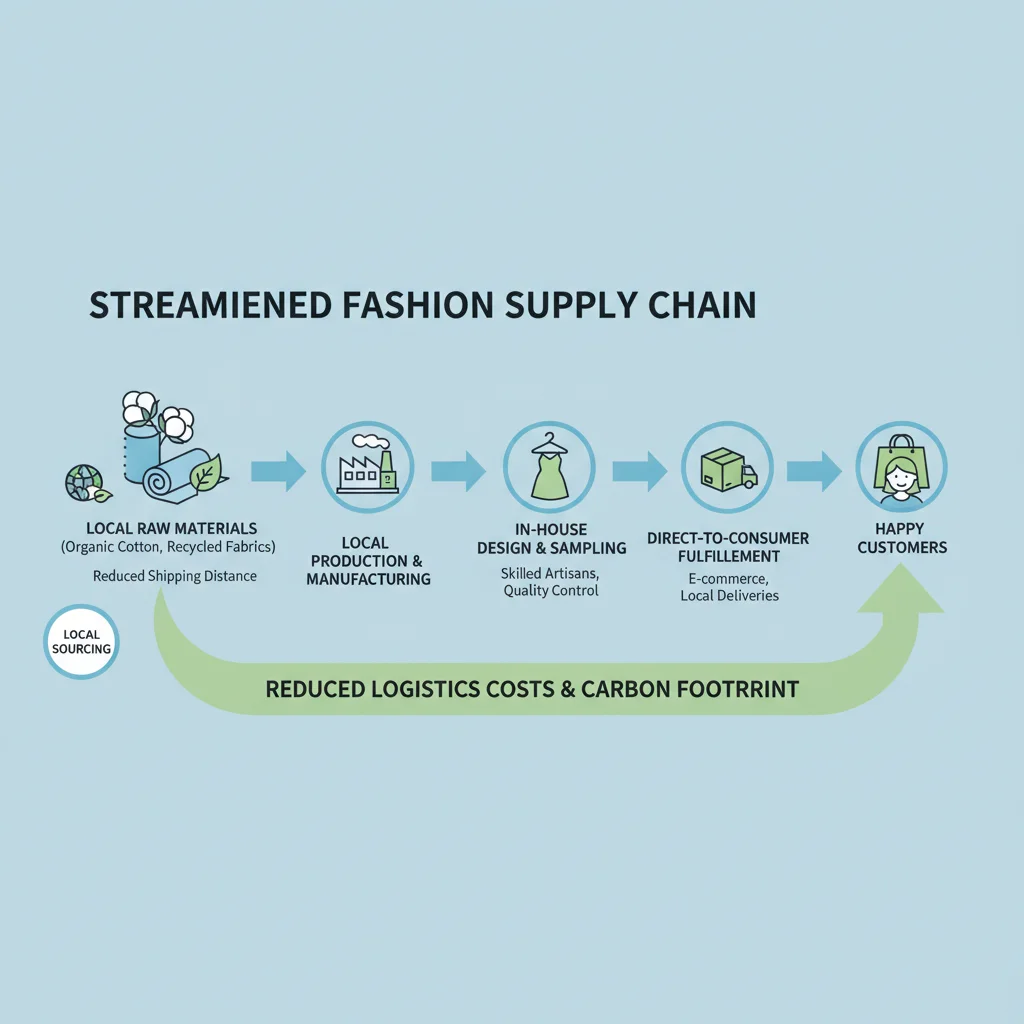
Prioritizing local and regional suppliers for raw materials and components can significantly cut down on transportation costs, lead times, and carbon footprint. Shorter supply chains mean less fuel consumption, fewer logistical complexities, and quicker response times to market demands. This also fosters stronger relationships with suppliers, potentially leading to better terms and more collaborative innovation. Research local textile mills, hardware suppliers, and component manufacturers. Even if the per-unit cost seems slightly higher initially, the savings in shipping, reduced inventory holding costs, and improved flexibility can more than compensate.
Negotiating Supplier Agreements
As an emerging designer, you might not have the purchasing power of a large corporation, but effective negotiation is still possible. Focus on building long-term relationships. Be transparent about your growth plans and potential future orders. Ask about tiered pricing, payment terms, and potential discounts for early payments or consistent orders. Sometimes, a supplier might be willing to offer better rates if you commit to a certain volume over a year, even if individual orders are smaller. Don’t be afraid to ask for samples and compare quotes from multiple suppliers to ensure you’re getting the best value.
Exploring Alternative Materials and Sustainable Options
Innovation in materials is a powerful lever for cost reduction and brand differentiation. Investigate alternative, more cost-effective materials that still meet your quality and aesthetic standards. This could involve using recycled fabrics, organic cotton, or innovative synthetic blends that offer durability and performance at a lower price point. Sustainable materials, while sometimes perceived as more expensive, can offer long-term cost benefits through reduced waste, increased durability, and a stronger brand narrative that appeals to environmentally conscious consumers. Furthermore, government incentives and grants for using sustainable materials might be available, further offsetting initial costs. Think about materials that are readily available in the US to avoid international shipping fees and import duties, directly impacting your US manufacturing costs.
Design for Manufacturability (DFM) and Efficiency
The design phase is where a significant portion of manufacturing costs are locked in. By adopting Design for Manufacturability (DFM) principles, emerging designers can proactively reduce expenses before production even begins. DFM focuses on simplifying designs, standardizing components, and optimizing for available manufacturing processes.
Simplifying Designs for Production
Complex designs often translate to complex, time-consuming, and expensive manufacturing processes. Evaluate your designs for unnecessary embellishments, intricate cuts, or unique components that add to the production difficulty and cost. Can a seam be simplified? Can a component be made from a single piece instead of multiple? A slight design modification can sometimes lead to substantial savings in labor and material waste. Collaborating closely with your manufacturing partner during the design phase is crucial here; their expertise can highlight potential cost-saving design tweaks.
Standardizing Components and Processes
Wherever possible, use standard components (e.g., zippers, buttons, clasps) that are widely available and cost-effective. Custom-made components are almost always more expensive due to tooling costs and smaller production runs. Similarly, standardizing manufacturing processes reduces the need for specialized machinery or training, leading to faster production times and fewer errors. This doesn’t mean sacrificing uniqueness; it means finding creative ways to achieve your aesthetic vision using efficient, standardized methods. For example, using a common fabric width can minimize waste during cutting, a small but significant factor in reducing US manufacturing costs.
Leveraging Digital Prototyping and 3D Modeling
Digital tools can revolutionize the design and prototyping process, drastically reducing the need for multiple physical samples. 3D modeling software allows designers to visualize, test, and refine their products virtually, identifying potential issues before any material is cut. This not only saves on material costs but also reduces the time and labor involved in creating physical prototypes. Some manufacturers can even use your 3D models directly for production, streamlining the entire workflow. This investment in software and training can yield significant returns in cost savings and faster product development cycles.

Optimizing Production Processes and Technology Adoption
Once designs are finalized, optimizing the actual production process is paramount for reducing US manufacturing costs. This involves embracing lean principles and strategically adopting relevant technologies.
Lean Manufacturing Principles
Lean manufacturing focuses on minimizing waste without sacrificing productivity. This includes reducing overproduction, minimizing waiting times, optimizing transportation, eliminating unnecessary processing, reducing inventory, minimizing motion, and correcting defects. For emerging designers, this means analyzing every step of your production process to identify and eliminate waste. Can materials be stored closer to the production line? Can tasks be reordered to reduce idle time? Even small improvements in efficiency can accumulate into significant cost savings over time. Partner with manufacturers who are already implementing lean practices or encourage them to explore these methodologies.
Automation and Robotics (Where Applicable)
While full automation might seem out of reach for emerging designers, strategic adoption of certain automated processes can be highly beneficial. This could include automated cutting machines, robotic sewing arms for repetitive tasks, or automated quality control systems. These technologies can reduce labor costs, increase precision, and speed up production, leading to a direct reduction in US manufacturing costs. Discuss with your manufacturing partners what level of automation they employ and how it could benefit your production runs. Even partial automation can offer considerable advantages.
Batch Size Optimization
Finding the optimal batch size for production is a delicate balance. Too small, and you incur higher per-unit setup costs. Too large, and you risk excess inventory, storage costs, and potential obsolescence. For emerging designers, starting with smaller, more manageable batches allows for market testing and reduces financial risk. As demand solidifies, you can gradually increase batch sizes to take advantage of economies of scale. Work closely with your manufacturer to determine the most cost-effective batch sizes for your specific products and market demand, ensuring you are not overproducing and tying up valuable capital.
Supply Chain Management and Logistics
An efficient supply chain is critical for controlling US manufacturing costs. Beyond sourcing, how materials and finished goods move through the system can have a profound impact on your budget.
Consolidating Shipments and Reducing Freight Costs
Shipping costs can quickly add up. Work with your suppliers and manufacturers to consolidate shipments whenever possible. Instead of receiving multiple small deliveries, aim for fewer, larger deliveries. Explore different freight options – ground, air, sea – and understand their cost implications and transit times. For local sourcing, consider using local courier services or even picking up materials yourself if feasible, especially for smaller batches. Negotiate favorable shipping rates with carriers based on your projected volume.
Inventory Management Strategies
Holding excessive inventory ties up capital, incurs storage costs, and carries the risk of obsolescence. Implement just-in-time (JIT) inventory practices where materials arrive just as they are needed for production. While this requires precise planning and reliable suppliers, it significantly reduces inventory holding costs. For emerging designers, this might mean ordering materials in smaller, more frequent batches. Utilize inventory management software or simple spreadsheets to track stock levels accurately and forecast demand, preventing both overstocking and stockouts. Efficient inventory management directly contributes to lower US manufacturing costs.
Building Strong Manufacturer Relationships
Your manufacturing partner is an extension of your team. Foster a strong, transparent, and collaborative relationship. Open communication can lead to innovative solutions, cost-saving suggestions, and better problem-solving. A good manufacturer will often have insights into more efficient production methods, alternative materials, or ways to streamline processes that you might not be aware of. They are invested in your success, so leverage their expertise. Long-term partnerships can also lead to more favorable pricing and priority scheduling, crucial for emerging designers looking to reduce their US manufacturing costs.
Quality Control and Waste Reduction
Defects and waste are silent killers of profit margins. Implementing robust quality control measures and actively working to reduce waste can lead to significant cost savings in US manufacturing.
Implementing Strict Quality Control
Prevention is always cheaper than correction. Establish clear quality standards and implement quality control checks at various stages of production, not just at the end. This includes inspecting incoming materials, monitoring production processes, and conducting final product inspections. Catching defects early prevents wasted materials, rework costs, and the potential for costly returns or reputation damage. Work with your manufacturer to develop a comprehensive quality assurance plan that aligns with your brand’s standards. High-quality products also lead to satisfied customers and fewer warranty claims, further reducing overall costs.
Minimizing Material Waste and Rework
Material waste can be a major expense, especially with expensive fabrics or components. Work with your manufacturer to optimize cutting layouts to minimize fabric scraps. Explore ways to reuse or repurpose unavoidable waste materials. For instance, textile scraps can sometimes be used for smaller components or upcycled into new products. Rework – the process of fixing defective products – is also a significant cost driver in terms of labor and time. By improving initial quality and precision, you can drastically reduce rework, directly impacting your US manufacturing costs. Regular audits of waste streams can reveal opportunities for improvement.
Utilizing Data Analytics for Process Improvement
Data is a powerful tool for identifying inefficiencies and areas for cost reduction. Collect data on production times, defect rates, material usage, and energy consumption. Analyze this data to pinpoint bottlenecks, understand patterns, and make informed decisions about process improvements. Even basic data collection and analysis can reveal surprising insights. For example, consistent defects in a particular production step might indicate a need for machine maintenance or additional worker training. Using data-driven insights allows for targeted interventions that deliver measurable cost savings.
Financial Planning and Incentives
Beyond operational efficiencies, smart financial planning and leveraging available incentives can also contribute to reducing US manufacturing costs.
Exploring Grants and Tax Incentives
The US government, as well as many state and local governments, offers various grants, tax credits, and incentives to businesses that manufacture domestically, especially those focused on innovation, sustainability, or job creation. Research programs like the Small Business Innovation Research (SBIR) grants, local manufacturing tax credits, or clean energy incentives. While navigating these programs can be complex, the financial benefits can be substantial, directly offsetting some of your manufacturing expenses. Consulting with a financial advisor specializing in manufacturing incentives can be a worthwhile investment.
Optimizing Payment Terms and Cash Flow
Cash flow is critical for emerging designers. Negotiate favorable payment terms with your suppliers and manufacturers. Can you secure longer payment windows? Are there discounts for early payments? Similarly, manage your own customer payment terms to ensure a healthy cash flow. Explore options like factoring or lines of credit if necessary, but always with a clear understanding of the associated costs. Efficient cash flow management prevents financial strain and allows for timely payments, which can strengthen supplier relationships and potentially lead to better terms in the future.
Cost-Benefit Analysis for Investments
Any investment, whether in new machinery, software, or specialized training, should be subjected to a thorough cost-benefit analysis. While an investment might have an upfront cost, it could lead to significant long-term savings in US manufacturing costs. For example, investing in a digital pattern-making system might seem expensive, but if it reduces material waste by 5% and speeds up pattern creation by 20%, the return on investment could be rapid. Always weigh the initial outlay against the projected savings and increased efficiency. This analytical approach ensures that your financial decisions are strategic and contribute to your 10% cost reduction goal.
Building a Sustainable and Resilient Manufacturing Model
Reducing US manufacturing costs isn’t just about immediate savings; it’s also about building a sustainable and resilient business model for the long term. This means integrating ethical practices, environmental consciousness, and adaptability into your core operations.
Embracing Sustainable Manufacturing Practices
Sustainability is no longer a niche concern but a mainstream expectation. Integrating sustainable practices, such as using renewable energy, minimizing water usage, and reducing chemical waste, can lead to long-term cost savings. While some sustainable practices might require initial investment, they often result in lower operational costs over time, such as reduced utility bills or lower waste disposal fees. Furthermore, a strong commitment to sustainability enhances your brand’s appeal, attracting a growing segment of conscious consumers who are willing to pay a premium for ethically produced goods. This can indirectly contribute to cost reduction by increasing sales and brand loyalty.
Developing a Resilient Supply Chain
The past few years have highlighted the vulnerabilities of global supply chains. Building a resilient supply chain, especially within the US, involves diversifying suppliers, having contingency plans, and fostering strong relationships. While focusing on local sourcing helps, also identify backup suppliers for critical materials or components. Understand the risks associated with each part of your supply chain and develop strategies to mitigate them. A resilient supply chain minimizes disruptions, which can be incredibly costly in terms of lost production, delayed deliveries, and rushed, expensive alternative solutions. Investing in supply chain resilience is an investment in long-term cost stability and business continuity.
Continuous Improvement and Adaptation
The manufacturing landscape is constantly changing, with new technologies and best practices emerging regularly. To maintain and further reduce US manufacturing costs, a commitment to continuous improvement is essential. Regularly review your processes, seek feedback from your manufacturing partners, and stay informed about industry innovations. Be open to adapting your strategies as new opportunities arise or as market conditions shift. This iterative approach ensures that your brand remains agile, efficient, and competitive, consistently striving for better performance and greater cost-effectiveness. The 10% reduction by 2026 is a milestone, not an endpoint, in your journey towards optimized US manufacturing.
Conclusion: Your Path to Cost-Effective US Manufacturing
Achieving a 10% reduction in US manufacturing costs by 2026 is an ambitious yet entirely achievable goal for emerging designers. It requires a strategic, holistic approach that encompasses every stage of your product’s lifecycle, from initial design concepts to final delivery. By meticulously applying the strategies outlined in this guide – focusing on strategic sourcing, embracing Design for Manufacturability, optimizing production processes with technology, streamlining your supply chain, implementing robust quality control, and leveraging financial incentives – you can transform your manufacturing cost structure.
The journey to more affordable domestic production is not just about cutting corners; it’s about working smarter, building stronger partnerships, and embracing innovation. It’s about recognizing that ‘Made in USA’ doesn’t have to come with an prohibitive price tag, but rather with the promise of quality, ethical production, and a resilient business model. As an emerging designer, your commitment to producing locally not only supports American jobs and industries but also resonates deeply with a growing consumer base that values transparency and sustainability.
Start by conducting a thorough audit of your current manufacturing costs. Identify your biggest expenditures and prioritize areas where you can implement changes for the most significant impact. Foster open communication with your manufacturing partners, viewing them as collaborators in your cost-reduction journey. Be persistent, adaptable, and always on the lookout for new technologies and practices that can give you an edge. The 10% cost reduction by 2026 is more than just a financial target; it’s a testament to your brand’s ingenuity, resilience, and unwavering commitment to bringing your unique vision to life, proudly and profitably, in the United States.