Your 2026 Guide to Sustainable Style: 4 Key Principles for an Eco-Conscious Wardrobe
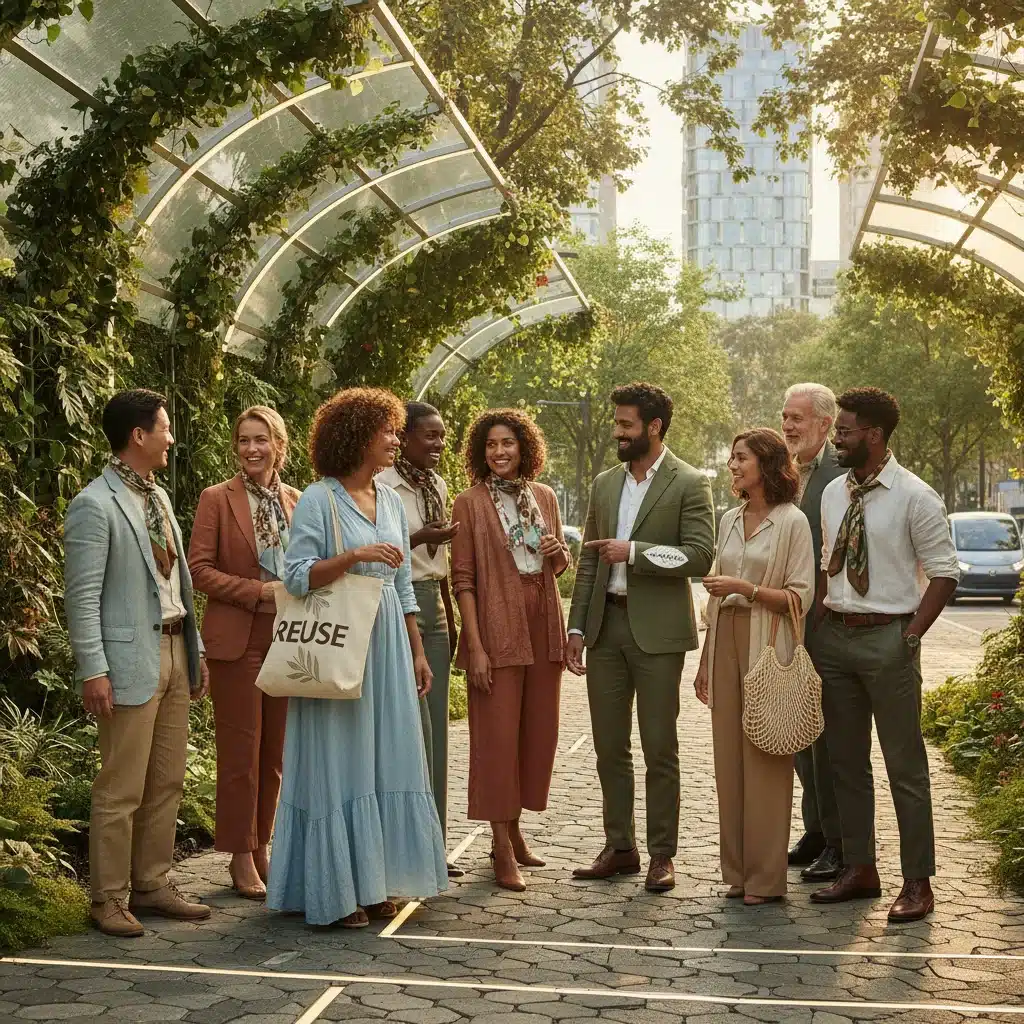
Your 2026 Guide to Sustainable Style: 4 Key Principles for an Eco-Conscious Wardrobe
In an era defined by increasing environmental awareness and a collective desire for a more equitable future, the fashion industry stands at a pivotal crossroads. Fast fashion, with its relentless cycles of production and consumption, has long cast a shadow over our planet and its people. However, a powerful counter-movement is gaining unprecedented momentum: sustainable style. As we step into 2026, the concept of an eco-conscious wardrobe is no longer a niche trend but a mainstream imperative. This comprehensive guide will equip you with the knowledge and tools to navigate this evolving landscape, offering four key principles to cultivate a wardrobe that is both fashionable and fundamentally responsible.
The allure of sustainable style extends far beyond mere aesthetics. It's about making informed choices that minimize environmental impact, support ethical labor practices, and foster a deeper connection with the clothes we wear. It's a rejection of disposability and an embrace of longevity, quality, and mindful consumption. For many, the journey to a sustainable wardrobe can seem daunting, riddled with jargon and conflicting information. But fear not! This guide aims to demystify the process, breaking down complex ideas into actionable steps you can integrate into your daily life, starting today.
Our focus on 2026 isn't arbitrary. This year marks a critical juncture where technological advancements, shifts in consumer behavior, and evolving regulatory landscapes converge to make sustainable fashion more accessible and impactful than ever before. From innovative materials to transparent supply chains, the future of fashion is being rewritten, and you have a crucial role to play in shaping it. By understanding and applying these four principles, you won't just be dressing yourself; you'll be contributing to a global movement for positive change.
Let's embark on this exciting journey to redefine your relationship with fashion, transforming your wardrobe into a testament to your values and a beacon of truly sustainable style.
Advertisements
Principle 1: Embrace Mindful Consumption – Buy Less, Choose Well, Make It Last
The cornerstone of any truly sustainable style guide is a profound shift in our consumption habits. The mantra "buy less, choose well, make it last" isn't just a catchy phrase; it's a powerful philosophy that challenges the very foundation of fast fashion. In 2026, the emphasis is less on accumulating vast quantities of trendy items and more on curating a thoughtful, versatile wardrobe that serves you for years to come.
Understanding the "Buy Less" Imperative
The fashion industry is a significant contributor to global waste. Billions of garments are produced annually, many of which end up in landfills after only a few wears. Buying less means resisting impulse purchases and the constant pressure to keep up with fleeting trends. It involves a conscious decision to pause before clicking "add to cart" or reaching for that tempting sale item. Ask yourself: Do I truly need this? Will it integrate seamlessly into my existing wardrobe? Can I see myself wearing this for many seasons?
This doesn't mean abandoning shopping entirely. It means shopping with intention. Consider adopting a "one in, one out" rule, or setting a specific budget and number of items you'll purchase each season. The goal is to reduce your overall consumption, thereby lessening demand for new production and minimizing your personal waste footprint. This fundamental shift in mindset is crucial for developing genuine sustainable style.
The Art of "Choose Well": Quality Over Quantity
Once you've committed to buying less, the next step is to "choose well." This principle focuses on the quality, durability, and ethical provenance of your clothing. In 2026, consumers are increasingly empowered with information to make better choices. Look for:
- High-Quality Materials: Prioritize natural fibers like organic cotton, linen, hemp, Tencel (lyocell), and recycled materials. These often have a lower environmental impact during production and are biodegradable. Avoid synthetic fabrics like polyester and nylon, which are derived from fossil fuels and shed microplastics. If synthetics are necessary for performance (e.g., activewear), seek out recycled versions.
- Durable Construction: Examine seams, stitching, and hardware. Well-made garments are designed to withstand repeated wear and washing. A higher price point often, though not always, correlates with better craftsmanship. Invest in pieces that are built to last, reducing the need for frequent replacements.
- Timeless Design: Opt for classic silhouettes and versatile colors that won't go out of style next season. Building a wardrobe of foundational pieces allows for endless mixing and matching, maximizing wearability and minimizing the feeling of needing new clothes.
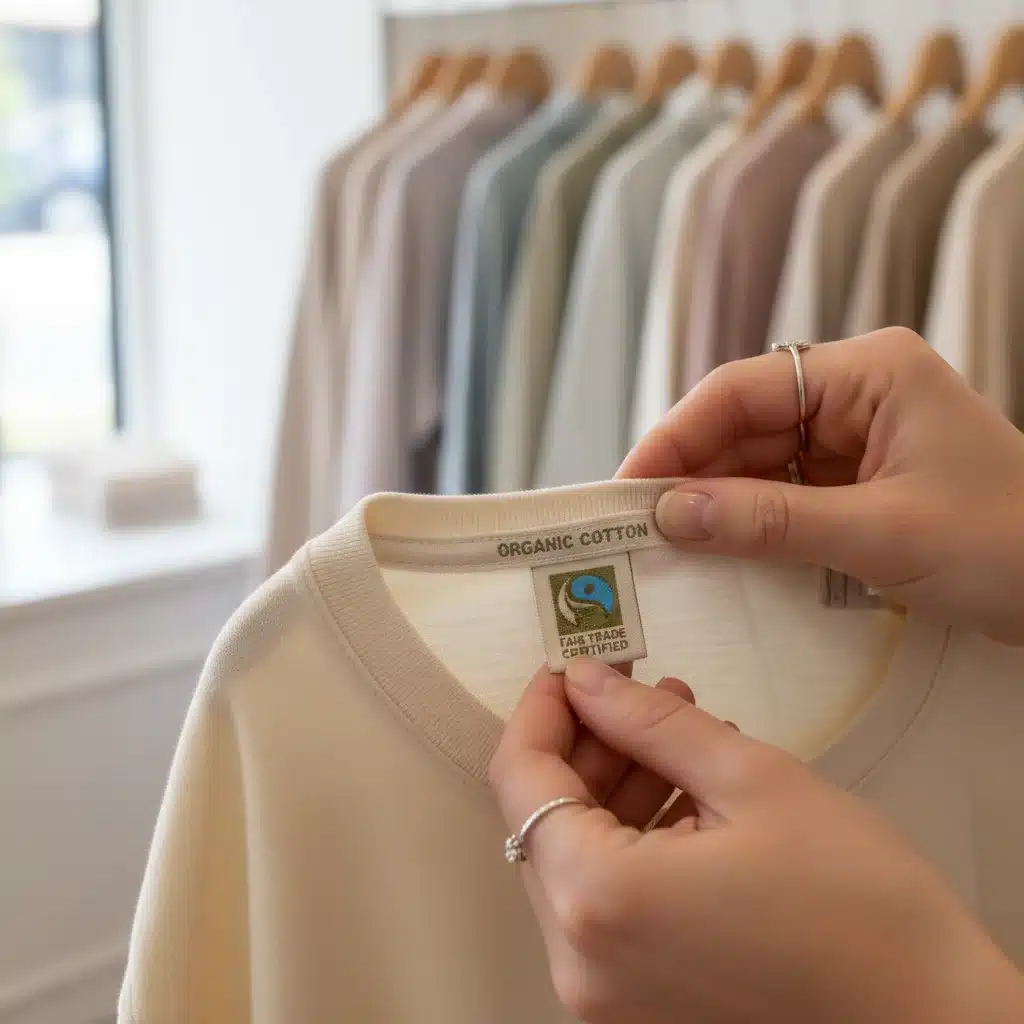
- Ethical Production: This is where transparency comes in. Research brands to understand their labor practices. Do they pay fair wages? Do they provide safe working conditions? Look for certifications like Fair Trade, GOTS (Global Organic Textile Standard), or B Corp status, which indicate a commitment to ethical and environmental standards.
Choosing well also means understanding the true cost of clothing. A cheap garment often comes at a high environmental and social price. Investing in higher-quality, ethically produced items might mean a larger upfront cost, but it saves money in the long run by reducing the need for replacements and contributing to a more sustainable future.
"Make It Last": Care, Repair, and Reimagination
Even the most sustainably produced garment won't be truly sustainable if it's discarded after a few wears. "Make it last" is about extending the lifespan of your clothing through diligent care, repair, and even creative reimagination. In 2026, the skills of mending and upcycling are experiencing a powerful resurgence, celebrated as acts of both practicality and creativity.
- Proper Care: Follow washing instructions diligently. Wash clothes less frequently, use cold water, and air dry whenever possible to conserve energy and reduce wear and tear. Use eco-friendly detergents that are gentle on fabrics and the environment.
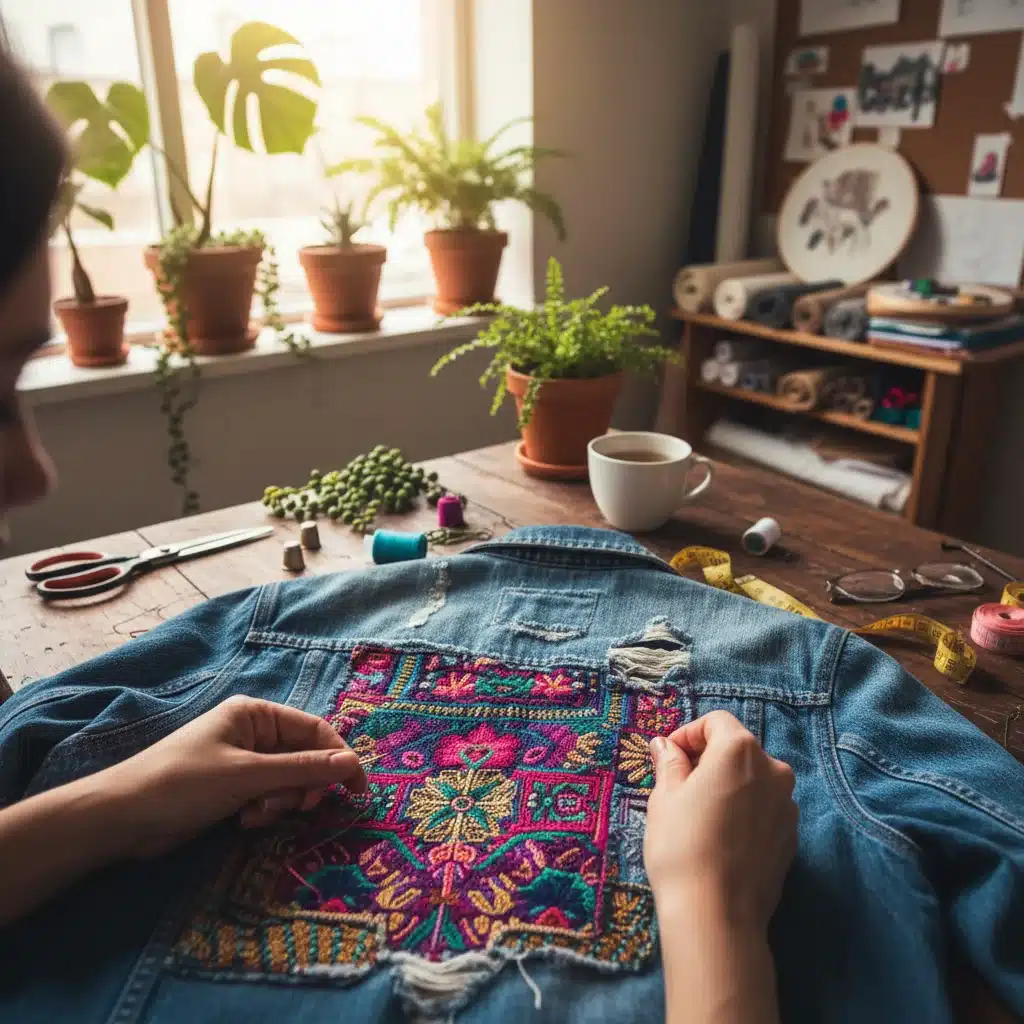
- Repair: Don't discard an item because of a missing button, a small tear, or a loose seam. Learn basic mending skills or seek out local tailors and repair services. Visible mending, where repairs are intentionally highlighted, has become a beautiful form of personal expression and a statement against disposability.
- Upcycle and Repurpose: When a garment can no longer be worn in its original form, consider how it might be transformed. Could an old t-shirt become a cleaning rag or a tote bag? Could jeans be cut into shorts or used for patches? Could a dress be altered into a skirt or top? This creative approach breathes new life into textiles and prevents them from ending up in landfills.
- Resell, Donate, or Swap: If an item no longer serves you, ensure it finds a new home. Resell on platforms for pre-loved clothing, donate to reputable charities, or participate in clothing swaps. This circular approach keeps garments in circulation and out of waste streams.
By embracing these aspects of "make it last," you actively participate in a circular fashion economy, dramatically reducing your environmental footprint and fostering a more sustainable style.
Principle 2: Prioritize Ethical Production and Transparency
Beyond the environmental impact of materials, sustainable style in 2026 demands a critical look at the human cost of fashion. Ethical production and transparency are non-negotiable principles, ensuring that the people who make our clothes are treated fairly, paid living wages, and work in safe conditions. The "who made my clothes?" question, popularized by movements like Fashion Revolution, continues to gain prominence.
Understanding the Supply Chain
The fashion supply chain is notoriously complex, often involving numerous stages and countries, from raw material cultivation to dyeing, weaving, cutting, sewing, and finishing. This complexity has historically allowed for a lack of accountability, leading to exploitation and environmental damage. In 2026, consumers are increasingly demanding transparency from brands, wanting to know every step of their clothing's journey.
Ethical production means:
- Fair Wages and Working Conditions: Workers throughout the supply chain should receive fair, living wages that allow them to meet their basic needs. They should work reasonable hours in safe and healthy environments, free from harassment, discrimination, and forced labor.
- No Child Labor: A strict zero-tolerance policy for child labor is fundamental.
- Freedom of Association: Workers should have the right to form and join unions to advocate for their rights.
- Environmental Responsibility in Factories: Factories should implement practices that minimize water pollution, air pollution, and chemical use, and manage waste responsibly.
Seeking Out Transparent Brands
How do you identify brands committed to ethical production? Transparency is key. Look for brands that:
- Publish Supply Chain Information: Many progressive brands now openly share details about their factories, suppliers, and even the origins of their raw materials. This information might be on their website, in annual reports, or through interactive maps.
- Hold Certifications: Beyond material-specific certifications, look for those that address social and ethical aspects, such as Fair Trade Certified, SA8000, or B Corp certification. These third-party audits provide independent verification of a brand's commitment to ethical practices.
- Engage in Third-Party Audits: Brands that regularly audit their factories through independent organizations demonstrate a commitment to monitoring and improving working conditions.
- Are Members of Ethical Initiatives: Participation in organizations like the Fair Wear Foundation, Ethical Trading Initiative (ETI), or similar industry groups indicates a brand's dedication to upholding labor standards.
- Communicate Openly: Brands that are transparent about their challenges as well as their successes often demonstrate genuine commitment rather than just greenwashing.
As a consumer, your choices send a powerful message. By supporting brands that prioritize ethical production and transparency, you contribute to a more just and humane fashion industry. This is a critical component of cultivating sustainable style.
Principle 3: Embrace Circularity and Innovation
The traditional linear "take-make-dispose" model of fashion is inherently unsustainable. In 2026, the concept of a circular economy is gaining significant traction, aiming to keep resources in use for as long as possible, extract the maximum value from them whilst in use, then recover and regenerate products and materials at the end of each service life. This principle is fueled by exciting innovations in materials, design, and business models.
Designing for Circularity
A truly circular garment is designed from the outset with its end-of-life in mind. This means:
- Mono-materiality: Creating garments from a single type of fiber (e.g., 100% cotton, 100% polyester) makes them much easier to recycle at the end of their life, as mixed fibers are notoriously difficult to separate.
- Durability and Repairability: As discussed in Principle 1, designing for longevity and ease of repair is crucial for keeping items in use longer.
- Non-toxic Dyes and Finishes: Using dyes and treatments that are safe for both the environment and human health ensures that materials can be safely recycled or composted.
- Modularity: Some innovative designs allow components of a garment to be replaced or updated, extending its lifespan and adaptability.
Innovative Materials Leading the Way
The textile industry is buzzing with groundbreaking innovations that are making sustainable style more achievable:
- Next-Generation Regenerated Fibers: Beyond traditional recycled polyester, new technologies are emerging to recycle cotton, wool, and other natural fibers back into high-quality textiles, often without the need for virgin resources.
- Bio-based Materials: Scientists are developing materials from unexpected sources like mushroom mycelium (for leather alternatives), pineapple leaves (Piñatex), orange peels, algae, and even agricultural waste. These offer exciting, biodegradable alternatives to conventional fabrics.
- Carbon Capture Fabrics: Some cutting-edge companies are even exploring ways to create fabrics from captured carbon emissions, turning pollution into product.
- Waterless Dyeing Technologies: Innovations like air dyeing and digital printing significantly reduce water consumption and chemical waste in the dyeing process.
While some of these innovations are still nascent, their increasing availability in 2026 will transform the landscape of sustainable style, offering consumers more eco-friendly choices than ever before.
Embracing New Business Models
Circularity isn't just about materials; it's also about rethinking how we access and own fashion:
- Rental and Subscription Services: Renting special occasion wear or even everyday items reduces the need for individual ownership and maximizes the utilization of garments. Subscription boxes for clothing allow for rotating wardrobes without the commitment of buying.
- Resale and Consignment Platforms: The booming market for pre-loved clothing, both online and in brick-and-mortar stores, is a powerful driver of circularity. Buying and selling second-hand extends the life of garments and reduces demand for new production.
- Repair and Take-back Programs: More brands are offering in-house repair services or take-back programs where consumers can return old garments for recycling or repurposing, closing the loop on their products.
By engaging with these circular business models, you actively participate in a system that values longevity, resource efficiency, and waste reduction, embodying the true spirit of sustainable style in 2026.
Principle 4: Advocate and Educate – Be a Voice for Change
Cultivating a personal sustainable style is a powerful step, but true change requires collective action. The fourth principle encourages you to go beyond your own wardrobe and become an advocate and educator, influencing others and pushing for systemic change within the fashion industry. In 2026, informed consumer voices are more critical than ever.
Use Your Voice as a Consumer
Every purchase you make, or choose not to make, is a statement. Your consumer power is immense:
- Support Sustainable Brands: Actively seek out and patronize brands that align with your values. Your financial support sends a clear message to the industry about what consumers demand.
- Demand Transparency: Ask brands questions about their supply chains, labor practices, and environmental impact. Use social media, emails, and customer service channels to voice your concerns and request more information. The more consumers ask, the more brands will feel compelled to respond.
- Boycott Unsustainable Practices: Consciously choose to avoid brands known for exploitative labor, excessive waste, or significant environmental damage.
- Engage with Policy Makers: Support legislation that promotes ethical labor, environmental protection, and circularity within the fashion industry.
Educate and Inspire Others
Sharing your knowledge and passion for sustainable style can create a ripple effect:
- Share Your Journey: Talk to friends and family about why sustainable fashion matters to you. Share your tips for conscious shopping, mending, and styling. Personal stories are often the most compelling.
- Utilize Social Media: Platforms like Instagram, TikTok, and blogs are powerful tools for sharing information, showcasing sustainable outfits, and recommending ethical brands. Use relevant hashtags to reach a wider audience.
- Host Clothing Swaps: Organize or participate in clothing swap events in your community. This is a fun and social way to refresh wardrobes without buying new, and it fosters a sense of community around sustainable practices.
- Support Educational Initiatives: Promote and engage with organizations and content creators who are raising awareness about sustainable fashion issues.
By becoming an active participant in the conversation, you contribute to a growing movement that will ultimately compel the entire fashion industry to adopt more responsible practices. This advocacy is an indispensable part of a truly sustainable style.
Overcoming Challenges in Your Sustainable Style Journey
While the path to a fully sustainable wardrobe is rewarding, it's not without its challenges. In 2026, some common hurdles persist, but understanding them can help you navigate your journey more effectively.
Cost Perceptions
One of the most frequent concerns is the perceived higher cost of sustainable fashion. While individual ethical pieces might have a higher upfront price tag than fast fashion alternatives, it’s crucial to consider the "cost per wear." A well-made, durable sustainable garment will often last significantly longer, making it a more economical choice over time. Moreover, the true cost of fast fashion – including environmental degradation and labor exploitation – is simply externalized and not reflected in the price. By embracing the "buy less, choose well" philosophy, you invest in fewer, higher-quality items, often balancing your overall fashion budget.
Limited Accessibility and Size Inclusivity
Historically, sustainable fashion has sometimes been criticized for being less accessible, particularly in terms of size ranges and diverse styles. However, 2026 is seeing a positive shift. More brands are emerging with a commitment to inclusivity, offering extended sizing and a wider variety of aesthetics. It requires a bit more research, but resources like online directories of sustainable brands and communities dedicated to inclusive fashion can help you find options that cater to your specific needs and preferences. Patience and persistence in your search will yield rewarding results.
The journey towards a fully sustainable fashion industry is ongoing, but the progress by 2026 is undeniable. By embracing the principles outlined in this guide – mindful consumption, ethical production, circularity, and advocacy – you are not just adapting to these changes; you are actively shaping them. Your commitment to sustainable style today paves the way for a more responsible, equitable, and beautiful fashion future for everyone.
Greenwashing and Misinformation
As sustainable style gains popularity, so too does "greenwashing" – the practice of making unsubstantiated or misleading claims about environmental practices to appear more eco-friendly. This can make it difficult for consumers to discern genuinely sustainable brands from those merely jumping on the trend. To combat this, rely on the transparency and certification principles discussed earlier. Look for specific, verifiable claims, third-party certifications, and detailed information about a brand's supply chain. If a claim seems too good to be true or lacks supporting evidence, approach it with skepticism. Education is your best defense against greenwashing.
Navigating Trends Sustainably
Fashion is inherently dynamic, with trends constantly evolving. How does one embrace sustainable style while still feeling current and fashionable? The key lies in strategic integration. Instead of buying into every fleeting trend, focus on timeless pieces as the foundation of your wardrobe. Then, incorporate trends thoughtfully through accessories, a single statement piece, or by upcycling existing garments with modern touches. Remember, true style is personal and enduring, not simply a reflection of the latest craze. Sustainable style encourages creativity and personal expression over slavish adherence to trends.
The "All or Nothing" Fallacy
It's easy to feel overwhelmed and believe that unless your entire wardrobe is 100% sustainable, you're not making a difference. This "all or nothing" mentality can be paralyzing. The truth is, every conscious choice you make contributes to positive change. Start small: perhaps by committing to buying only second-hand jeans, or repairing one item instead of replacing it. Gradually integrate more sustainable practices into your life. Progress, not perfection, is the goal. Your sustainable style journey is a continuous evolution, and every step forward counts.
The Future of Sustainable Style in 2026 and Beyond
The landscape of sustainable fashion is rapidly evolving, and 2026 is a snapshot of exciting progress and future potential. Looking ahead, we can anticipate even more transformative developments that will further integrate sustainable practices into the mainstream.
Advanced Recycling Technologies
While textile recycling exists today, it often faces challenges with mixed fibers and maintaining fiber quality. The future holds promise for advanced chemical and mechanical recycling technologies that can efficiently break down complex textile waste and regenerate high-quality new fibers. This will significantly reduce the need for virgin materials and help close the loop on textile waste, making true circularity a widespread reality. Imagine a world where your old t-shirt can seamlessly become the raw material for a brand new, equally high-quality garment.
Hyper-Local Production and On-Demand Manufacturing
To reduce carbon footprints associated with global shipping and minimize overproduction, we can expect to see a rise in hyper-local and on-demand manufacturing. This means clothes could be produced closer to consumers, using regional materials and labor. On-demand manufacturing, enabled by digital design and automated production, would allow garments to be made only when ordered, virtually eliminating deadstock and waste associated with mass production. This shift would also foster greater transparency and accountability in local supply chains.
Digital Fashion and Virtual Wardrobes
The metaverse and digital fashion, while still emerging, offer intriguing possibilities for sustainable style. Virtual clothing, NFTs, and augmented reality try-on experiences can reduce the need for physical samples and excessive production for marketing. Furthermore, for those who enjoy experimenting with trends, digital fashion offers a zero-waste way to express creativity without consuming physical resources. While it won’t replace physical clothing entirely, it presents a complementary, sustainable avenue for fashion engagement.
Increased Regulatory Pressure and Industry Collaboration
Governments and international bodies are increasingly recognizing the environmental and social impact of the fashion industry. We can anticipate more stringent regulations concerning waste management, chemical use, labor standards, and transparency requirements. This regulatory pressure, combined with increased collaboration between brands, innovators, and non-profits, will accelerate the industry's transition towards more sustainable practices. Collective action will be key to driving systemic change.
Consumer Empowerment Through Data
As technology advances, consumers will have even greater access to data about their clothing. QR codes on labels could provide instant access to a garment’s entire lifecycle – from its material origins and manufacturing details to its carbon footprint and recommended care instructions. This level of transparency will empower consumers to make incredibly informed choices, further driving demand for genuinely sustainable products and fostering a deeper connection with their wardrobe.
The journey towards a fully sustainable fashion industry is ongoing, but the progress by 2026 is undeniable. By embracing the principles outlined in this guide – mindful consumption, ethical production, circularity, and advocacy – you are not just adapting to these changes; you are actively shaping them. Your commitment to sustainable style today paves the way for a more responsible, equitable, and beautiful fashion future for everyone.
Conclusion: Your Role in Shaping the Future of Sustainable Style
The year 2026 marks a significant turning point in the fashion industry's evolution towards sustainability. No longer a fringe movement, sustainable style has firmly established itself as a critical path forward, driven by heightened environmental awareness, ethical considerations, and groundbreaking innovations. This guide has presented four fundamental principles – mindful consumption, ethical production, circularity and innovation, and advocacy – that form the bedrock of an eco-conscious wardrobe.
By embracing the philosophy of "buy less, choose well, make it last," you directly challenge the wasteful cycles of fast fashion. Prioritizing ethical production and demanding transparency ensures that the human hands behind your clothes are treated with dignity and respect. Engaging with circular models, from innovative materials to rental and resale platforms, keeps valuable resources in play and out of landfills. And by becoming an advocate and educator, you amplify the message, inspiring others and pushing for systemic change within the industry.
The journey to a fully sustainable wardrobe is personal and ongoing. It doesn't demand perfection overnight, but rather a conscious commitment to making better choices, one garment at a time. Every decision, no matter how small, contributes to a larger movement. As we look to the future, the continued advancements in textile science, manufacturing processes, and consumer awareness promise an even more accessible and impactful sustainable fashion landscape.
Your wardrobe is more than just a collection of clothes; it’s a powerful statement about your values. By integrating these four principles into your daily style, you become an active participant in creating a fashion world that is not only beautiful and expressive but also responsible, equitable, and truly sustainable for generations to come. Step into 2026 with confidence, knowing that your sustainable style choices are making a tangible difference.