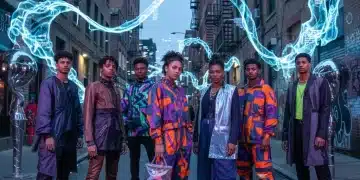
Emerging Designers: Driving Sustainable Textile Demands by 2026
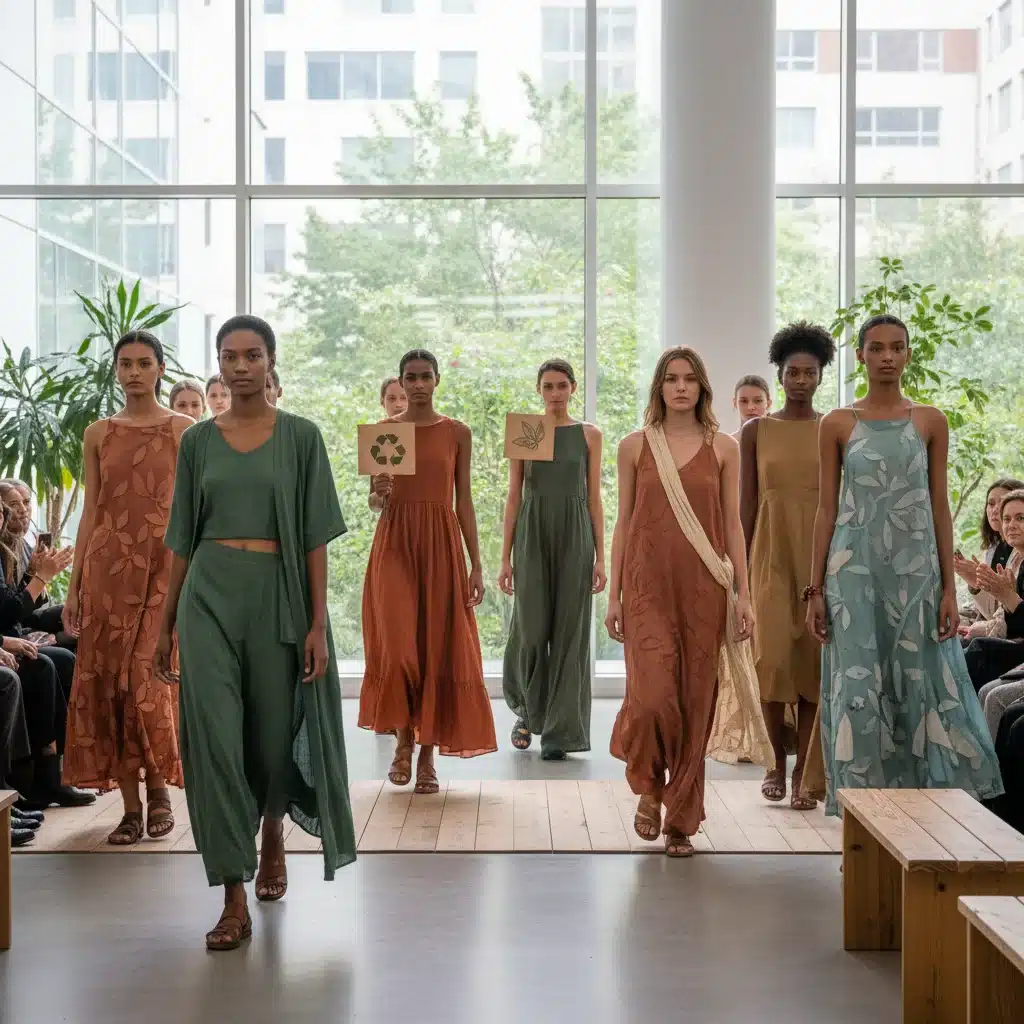
Emerging Designers: How 15% of US Consumers Are Driving New Sustainable Textile Demands in 2026
The fashion industry, long criticized for its environmental footprint and ethical shortcomings, is undergoing a profound transformation. At the heart of this shift are two powerful forces: a new generation of emerging designers and a steadily growing segment of conscious consumers. By 2026, it’s projected that approximately 15% of US consumers will be actively driving new sustainable textile demands, fundamentally reshaping how garments are conceived, produced, and consumed. This isn’t just a fleeting trend; it’s a foundational change toward a more responsible and equitable future for fashion.
For decades, the fashion industry operated on a linear model: extract, produce, use, dispose. This approach led to staggering waste, pollution, and often, exploitative labor practices. However, as environmental awareness grows and social consciousness deepens, consumers are increasingly scrutinizing the origins and impacts of their purchases. This scrutiny is particularly pronounced among younger demographics and those with a higher disposable income, who are willing to invest in products that align with their values. These consumers are not just looking for ‘green’ labels; they are demanding transparency, ethical sourcing, and genuine commitment to sustainability from brands.
The role of emerging designers in this paradigm shift cannot be overstated. Unburdened by the legacy systems and established supply chains of traditional fashion houses, these innovators are often at the forefront of adopting cutting-edge sustainable practices. They experiment with novel materials, champion circular design principles, and build business models rooted in ethical production. Their agility and commitment to purpose over profit allow them to challenge conventional norms and set new benchmarks for environmental and social responsibility. This article will delve into the intricate relationship between these visionary designers and the discerning consumers who are collectively pushing the boundaries of sustainable textile demands, exploring the trends, challenges, and the promising future of eco-conscious fashion.
Advertisements
Understanding the Rise of Sustainable Textile Demands
The shift towards sustainable textile demands is not a sudden phenomenon but the culmination of several converging factors. Consumer awareness about climate change, resource depletion, and social injustices has reached an all-time high. Documentaries, social media campaigns, and readily available information have empowered individuals to make more informed choices. This heightened awareness translates directly into purchasing decisions, with a growing number of consumers actively seeking out brands that demonstrate a clear commitment to sustainability.
The Conscious Consumer: Who Are They?
The 15% of US consumers driving these new demands are not a monolithic group, but they share common characteristics. They are typically well-educated, digitally native, and socially conscious. They prioritize values over pure cost, understanding that true sustainability often comes with a higher price tag due to ethical labor and specialized materials. This demographic is often willing to pay a premium for transparency, quality, and products that reflect their personal ethics. They are also influential, often sharing their discoveries and recommendations within their social networks, amplifying the reach of sustainable brands.
Their demands extend beyond just organic cotton or recycled polyester. They are looking for:
- Traceability: Knowing the origin of materials and the journey of the garment from farm to closet.
- Ethical Labor: Assurance that workers throughout the supply chain are paid fair wages and work in safe conditions.
- Circular Design: Products designed for longevity, repairability, and eventual recycling or biodegradability.
- Reduced Environmental Impact: Minimizing water usage, carbon emissions, and chemical pollution.
- Innovation: A desire for new, cutting-edge materials that offer superior environmental performance.
Market Indicators and Growth Projections
Industry reports consistently point to the escalating importance of sustainability. According to various market analyses, the global sustainable fashion market is projected to grow significantly over the next few years. This growth is fueled by both consumer pressure and corporate responsibility initiatives. Brands that fail to adapt risk losing market share and relevance, especially among younger generations who will soon represent the largest consumer base. The 15% figure for US consumers by 2026, while seemingly modest, represents a critical tipping point. This segment is large enough to influence mainstream brands and create a ripple effect across the entire industry, making sustainable textile demands a non-negotiable aspect of future business strategies.
The Pivotal Role of Emerging Designers in Meeting Sustainable Textile Demands
Emerging designers are not just responding to these consumer demands; they are actively shaping them. Their innovative spirit and inherent commitment to purpose-driven design position them as key architects of the sustainable fashion movement. Unlike established brands burdened by existing infrastructure and quarterly profit targets, new designers often have the freedom to build their businesses from the ground up with sustainability as a core principle.
Innovation in Materials and Processes
One of the most exciting contributions of emerging designers is their relentless pursuit of innovative and sustainable materials. They are moving beyond the conventional, exploring alternatives that minimize environmental impact and maximize ethical benefits. This includes:
- Bio-based textiles: Materials derived from natural sources such as algae, mushrooms (mycelium leather), pineapple leaves (Pinatex), and even fruit waste. These offer biodegradable alternatives to synthetic fibers and leathers.
- Recycled and Upcycled materials: Utilizing post-consumer waste like plastic bottles (recycled polyester), fishing nets, and discarded textiles to create new fabrics, significantly reducing landfill burden and virgin resource extraction.
- Low-impact natural fibers: Focusing on organic cotton, hemp, linen, and Tencel (Lyocell) which require less water, pesticides, and energy compared to conventional counterparts.
- Dyeing technologies: Experimenting with natural dyes derived from plants, minerals, and food waste, as well as waterless dyeing techniques to reduce chemical usage and water pollution.
These designers often work closely with material scientists and ethical manufacturers to develop and scale these innovations, making them more accessible and commercially viable. Their willingness to take risks and invest in research and development is crucial for advancing the entire textile industry towards more sustainable practices.
Ethical Production and Transparency
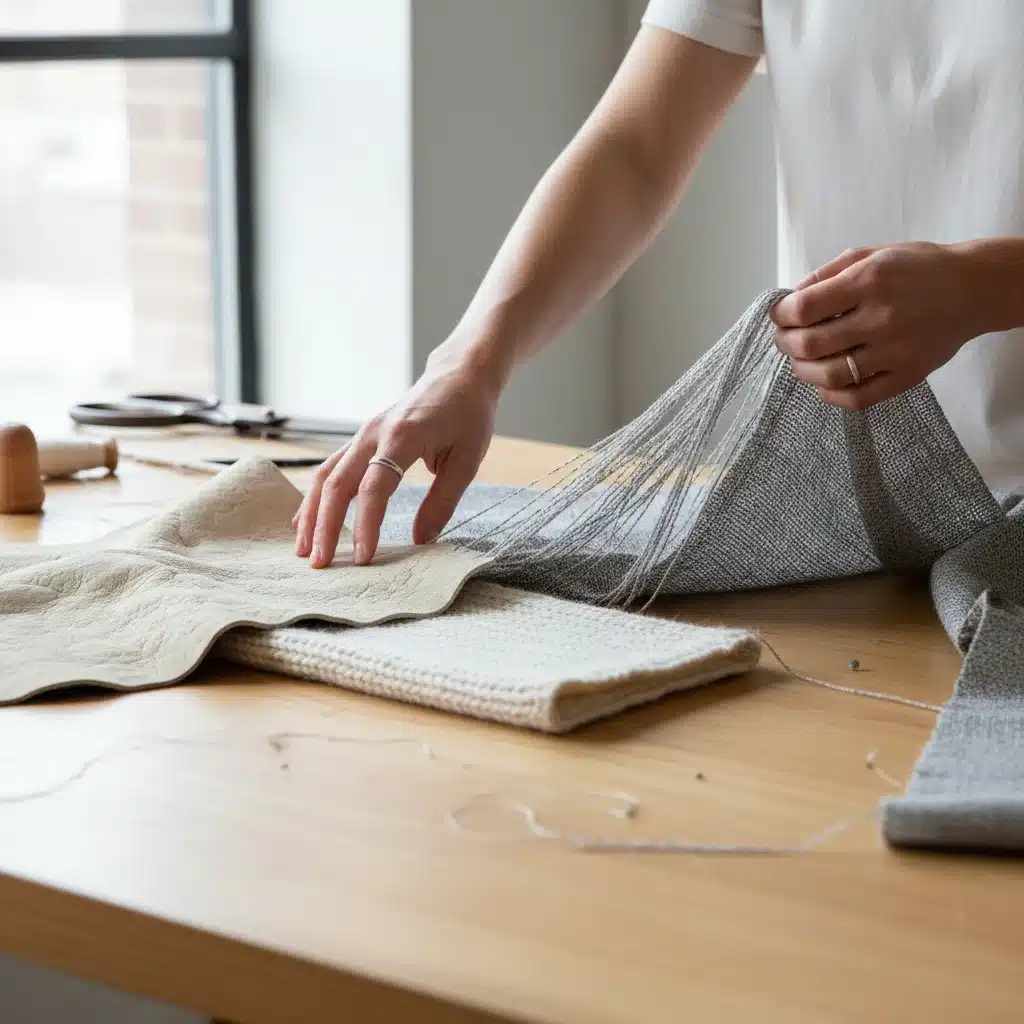
Beyond materials, emerging designers are champions of ethical production. They often establish direct relationships with their manufacturers, ensuring fair wages, safe working conditions, and transparent supply chains. This hands-on approach allows them to verify ethical practices firsthand, building trust with their consumers who are increasingly wary of ‘greenwashing’ – brands making unsubstantiated sustainability claims.
Many emerging brands prioritize small-batch production, made-to-order models, or local manufacturing to reduce waste and carbon emissions associated with mass production and long-distance shipping. This also allows for greater control over quality and craftsmanship, leading to more durable garments that align with the conscious consumer’s desire for longevity over fast fashion trends. Their commitment to ethical labor and transparent operations directly addresses a key aspect of consumer sustainable textile demands.
Circular Design Principles
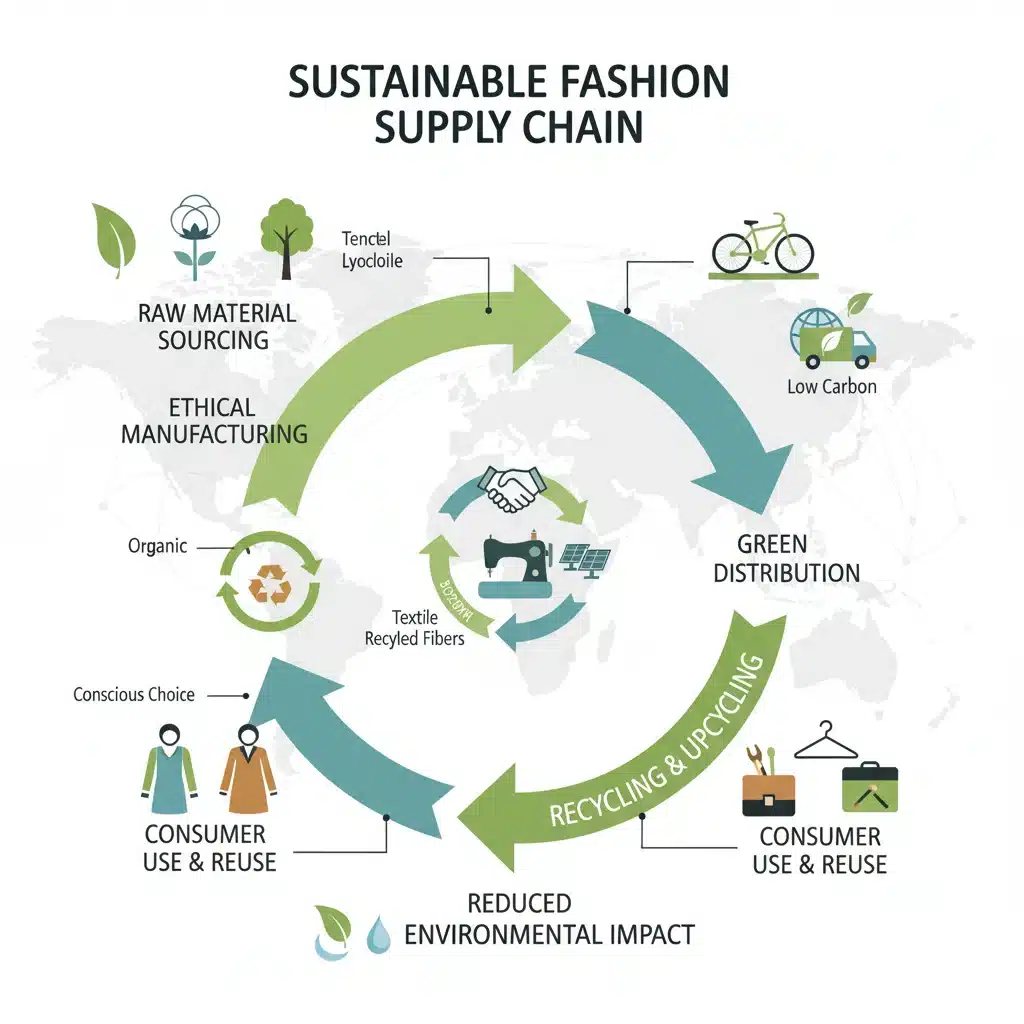
Emerging designers are also at the forefront of implementing circular design principles. This involves designing products with their end-of-life in mind, aiming to keep materials in use for as long as possible and regenerate natural systems. Strategies include:
- Durability and timelessness: Creating high-quality, classic pieces that transcend fleeting trends, encouraging consumers to buy less and wear more.
- Modularity and repairability: Designing garments that can be easily repaired, adapted, or have components replaced, extending their lifespan.
- Biodegradability: Utilizing materials that can safely return to the earth at the end of their useful life.
- Recyclability: Designing garments from mono-materials or easily separable components to facilitate recycling.
- Take-back programs: Implementing initiatives where consumers can return worn-out garments to the brand for recycling or upcycling, closing the loop.
These principles are fundamental to reducing textile waste, a massive problem in the fashion industry, and are highly valued by consumers focused on genuine sustainable textile demands.
Challenges and Opportunities for Sustainable Textile Demands
While the momentum towards sustainable textiles is undeniable, the path forward is not without its challenges. However, these challenges also present significant opportunities for innovation and growth.
Scaling Sustainable Practices
One of the biggest hurdles is scaling sustainable practices. Many innovative materials and ethical production methods are currently more expensive and less readily available than conventional alternatives. For emerging designers, this can mean higher production costs, which are then passed on to consumers, making sustainable fashion less accessible to a broader market. Bridging this gap requires investment in research, infrastructure, and collaborative efforts between designers, manufacturers, and technology providers to bring down costs and increase availability.
Consumer Education and Greenwashing
Despite increased awareness, there’s still a significant need for consumer education. Many consumers are confused by the myriad of sustainability claims and certifications. Greenwashing – where brands deceptively market their products as eco-friendly – further complicates matters, eroding consumer trust. Emerging designers have an opportunity to lead by example, providing clear, transparent information about their supply chains and environmental impact, thereby building genuine loyalty and helping to demystify the complexities of sustainable fashion. Clear communication about the ‘why’ behind higher prices for sustainable goods is also crucial.
Policy and Regulatory Support
Government policies and regulations play a critical role in accelerating the shift towards sustainable textile demands. This could include incentives for sustainable production, stricter environmental standards for manufacturing, and regulations to combat greenwashing. Emerging designers and conscious consumers can advocate for these changes, creating a more level playing field for sustainable businesses and encouraging broader industry adoption of responsible practices.
The Future Landscape: 2026 and Beyond for Sustainable Textile Demands
Looking ahead to 2026, the influence of emerging designers and the 15% of conscious US consumers will have significantly reshaped the textile industry. We can anticipate several key developments:
Mainstreaming of Sustainable Materials
What are currently considered niche sustainable materials will become more mainstream. Innovations in bio-fabrication, material science, and recycling technologies will lead to a wider array of high-performance, eco-friendly textiles that are comparable in cost and quality to conventional options. This will make it easier for both emerging and established brands to meet sustainable textile demands without significant compromises.
Enhanced Transparency and Traceability
Blockchain technology and other digital tools will become standard for tracking supply chains, providing consumers with unprecedented levels of transparency. QR codes on garment labels might allow instant access to information about a product’s origin, environmental impact, and ethical certifications. This will empower consumers to make truly informed decisions and hold brands accountable for their sustainability claims.
Circular Economy Models as the Norm
The linear ‘take-make-dispose’ model will continue to be challenged by circular economy principles. More brands will adopt take-back programs, repair services, and rental models. The concept of ‘ownership’ might shift, with consumers valuing access to fashion over outright possession, leading to a reduction in overall consumption and waste. Emerging designers, with their inherent flexibility, are perfectly positioned to pioneer and scale these circular business models.
Collaboration and Collective Action
The industry will see increased collaboration between designers, manufacturers, technology providers, and even competitors. Recognizing that sustainability is a collective challenge, stakeholders will work together to share best practices, develop common standards, and invest in shared infrastructure for recycling and material innovation. This collective action will be crucial for accelerating the transition to a truly sustainable textile industry, driven by escalating sustainable textile demands.
How Businesses Can Adapt to Evolving Sustainable Textile Demands
For brands and businesses looking to thrive in this evolving landscape, adaptation is not optional; it’s essential. Meeting the growing sustainable textile demands requires a proactive and holistic approach.
Invest in Research and Development
Prioritize investment in new sustainable materials and production technologies. This includes exploring bio-based alternatives, advanced recycling methods, and water-saving dyeing processes. Collaborating with startups and research institutions can provide access to cutting-edge innovations that might otherwise be out of reach.
Embrace Transparency
Be honest and open about your supply chain and environmental impact. Implement robust traceability systems and communicate your efforts clearly to consumers. Obtain credible third-party certifications to validate your sustainability claims, building trust and credibility in a market wary of greenwashing.
Integrate Circularity
Design products with their entire lifecycle in mind. Focus on durability, repairability, and recyclability. Explore innovative business models like product-as-a-service (rentals), resale platforms, and take-back programs to keep materials in circulation and reduce waste.
Educate and Engage Consumers
Clearly articulate the benefits and value proposition of your sustainable products. Educate consumers on how to care for their garments to extend their lifespan and the importance of responsible disposal. Engage them in your sustainability journey, inviting feedback and fostering a community around shared values.
Support Emerging Designers and Innovators
Partner with or acquire emerging designers who are already at the forefront of sustainable innovation. Their fresh perspectives and agile approaches can inject new life and sustainable practices into established brands. Provide mentorship, funding, and resources to help these innovators scale their solutions.
Conclusion
The year 2026 marks a significant milestone in the journey towards a more sustainable fashion industry, largely propelled by the synergistic efforts of emerging designers and a growing segment of conscious US consumers. The 15% of consumers actively driving new sustainable textile demands are not merely a market segment; they are catalysts for systemic change, pushing for greater transparency, ethical production, and environmental responsibility. Emerging designers, with their innovative materials, circular design principles, and commitment to ethical practices, are uniquely positioned to meet these escalating demands and redefine the future of fashion.
The challenges of scaling, educating, and regulating are significant, but the opportunities for innovation, collaboration, and positive impact are even greater. As the industry continues its evolution, those who embrace sustainability as a core value – from design inception to end-of-life solutions – will not only thrive but will also contribute to a more equitable and environmentally sound future for textiles globally. The momentum is building, and by 2026, the threads of sustainability will be woven more deeply and meaningfully into the fabric of fashion than ever before.