Eco-Friendly Footwear 2026: Top 6 Sustainable Brands Compared
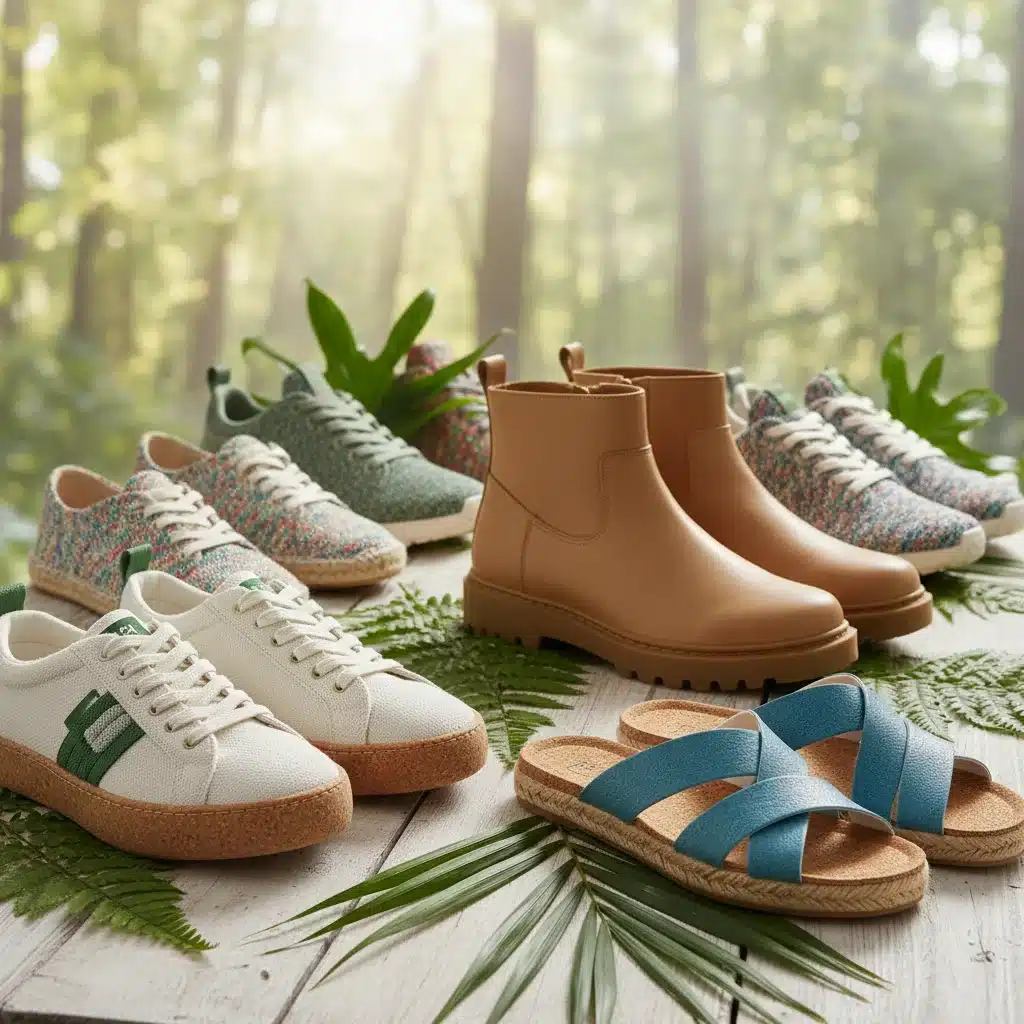
Eco-Friendly Footwear 2026: Top 6 Sustainable Brands Compared
In an era where environmental consciousness is no longer a niche concern but a global imperative, the fashion industry, particularly footwear, is undergoing a significant transformation. Consumers are increasingly seeking products that not only meet their aesthetic and functional needs but also align with their values of sustainability and ethical production. This shift has propelled eco-friendly footwear to the forefront, challenging traditional manufacturing practices and fostering innovation in material science and supply chain management.
The year 2026 marks a pivotal point in this evolution, with numerous brands striving to offer genuinely sustainable options. But with so many claims of ‘green’ and ‘eco-conscious,’ how can consumers truly differentiate? This comprehensive guide dives deep into the world of eco-friendly footwear, comparing six leading brands that are setting benchmarks in sustainability, innovation, and value. We’ll explore their unique approaches, material choices, ethical practices, and what makes them stand out in a crowded market. Our goal is to equip you with the knowledge to make informed decisions, ensuring your next step is a step towards a more sustainable future.
Choosing eco-friendly footwear isn’t just a trend; it’s a commitment to reducing your environmental footprint. From the sourcing of raw materials to the manufacturing process and even end-of-life solutions, every stage of a shoe’s lifecycle has an impact. Sustainable brands are re-imagining this entire process, focusing on renewable resources, recycled content, non-toxic dyes, fair labor practices, and designs that prioritize durability and recyclability. Join us as we uncover the brands leading this charge, helping you walk the talk of sustainability without compromising on style or comfort.
Advertisements
The Rise of Sustainable Footwear: Why It Matters
The conventional footwear industry is notoriously resource-intensive and often associated with significant environmental and social costs. From vast water consumption in cotton cultivation to chemical-laden tanning processes for leather, and the proliferation of synthetic, non-biodegradable materials, the impact is undeniable. The production of a single pair of traditional sneakers can generate a substantial carbon footprint, and once discarded, these shoes can linger in landfills for hundreds of years.
This stark reality has fueled the demand for eco-friendly footwear. Consumers are becoming increasingly aware of these issues and are actively seeking alternatives. The ‘why’ behind choosing sustainable shoes extends beyond just environmental protection:
- Environmental Preservation: Reduces waste, conserves natural resources, minimizes pollution, and lowers carbon emissions.
- Ethical Production: Ensures fair wages, safe working conditions, and prohibits child labor, promoting human rights within the supply chain.
- Health Benefits: Often utilizes natural, non-toxic materials, reducing exposure to harmful chemicals for both workers and consumers.
- Innovation and Durability: Drives research into new, sustainable materials and designs that often result in more durable and higher-quality products.
- Support for Responsible Businesses: Empowers companies committed to positive change and encourages others to follow suit.
The movement towards eco-friendly footwear is not just about guilt-free shopping; it’s about investing in a future where fashion and planetary well-being can coexist. As we delve into specific brands, you’ll see how each one contributes to this larger mission, offering unique solutions to complex problems.
Key Criteria for Evaluating Eco-Friendly Footwear Brands
Before we introduce our top picks, it’s crucial to understand the metrics by which we evaluate eco-friendly footwear. Sustainability is a multifaceted concept, and a truly sustainable brand excels in several key areas:
1. Materials Used
- Recycled Content: Use of recycled plastics (RPET), recycled rubber, recycled cotton, etc., diverting waste from landfills.
- Renewable Resources: Materials like organic cotton, cork, natural rubber, hemp, bamboo, and innovative plant-based leathers (e.g., pineapple, mushroom, apple).
- Biodegradable/Compostable: Materials that can naturally decompose at the end of their life cycle.
- Low-Impact Dyes: Use of natural dyes or dyes with minimal chemical footprint.
- Vegan: Absence of animal products (leather, wool, silk, animal-based glues). While not all vegan materials are sustainable, many are, and it addresses ethical concerns.
2. Manufacturing Processes
- Reduced Water & Energy Consumption: Efficient processes that minimize resource use.
- Waste Reduction: Strategies to minimize manufacturing waste, including upcycling and closed-loop systems.
- Non-Toxic Production: Avoiding harmful chemicals in tanning, dyeing, and bonding.
- Renewable Energy: Factories powered by solar, wind, or other clean energy sources.
3. Ethical Labor Practices
- Fair Wages: Ensuring all workers receive a living wage.
- Safe Working Conditions: Adherence to international labor standards.
- Transparency: Openness about supply chains and manufacturing facilities.
- Certifications: Third-party certifications like Fair Trade, GOTS (Global Organic Textile Standard), or B Corp.
4. Durability & Longevity
A truly sustainable product is one that lasts. High-quality construction and durable materials mean shoes don’t need to be replaced frequently, reducing overall consumption and waste.
5. End-of-Life Solutions
What happens to the shoes when they can no longer be worn? Brands that offer repair services, take-back programs, or design for recyclability or biodegradability are at the forefront of circular economy principles.
Top 6 Eco-Friendly Footwear Brands to Watch in 2026
Based on our rigorous criteria, here are six brands that are leading the charge in eco-friendly footwear in 2026, offering a compelling blend of sustainability, style, and value.
1. Allbirds: Comfort Meets Carbon Neutrality
Overview: Allbirds burst onto the scene with a focus on natural materials and minimalist design, quickly becoming a favorite for casual and active wear. They are a certified B Corp, deeply committed to reducing their environmental footprint.
Key Sustainable Practices:
- Materials: Known for their use of ZQ-certified merino wool, TENCEL™ Lyocell (from eucalyptus trees), SweetFoam® (a sugarcane-based EVA), and recycled plastic bottles for laces.
- Carbon Footprint: Allbirds openly labels the carbon footprint of each product and is committed to being carbon neutral. They invest in regenerative agriculture and carbon removal projects.
- Innovation: Continuously innovate with new sustainable materials, like their recent foray into plant-based leather alternatives.
- Durability & Longevity: Designed for comfort and everyday wear, their shoes are built to last, reducing the need for frequent replacement.
Value Proposition: Allbirds offers premium comfort and style with a strong commitment to carbon neutrality, making them an excellent choice for those prioritizing environmental impact alongside wearability.
2. Veja: Transparency and Ethical Sourcing
Overview: The French brand Veja has gained immense popularity for its stylish sneakers that combine urban aesthetics with radical transparency and ethical sourcing. They’ve proven that fashion can be both chic and responsible.
Key Sustainable Practices:
- Materials: Utilizes organic cotton for canvas and laces, wild rubber from the Amazon for soles (protecting the forest and supporting rubber tappers), and innovative vegan leathers made from corn waste and recycled plastic bottles.
- Ethical Sourcing: Veja works directly with producers in Brazil and Peru, ensuring fair trade practices and paying above market price for raw materials.
- Manufacturing: Their factories in Brazil adhere to strict labor laws and environmental standards, with a focus on reducing waste and energy consumption.
- Chemical Avoidance: Avoids harmful chemicals and heavy metals in their dyeing and tanning processes.
Value Proposition: Veja stands out for its unwavering commitment to ethical sourcing and transparency, offering stylish, high-quality eco-friendly footwear that makes a positive social and environmental impact.
3. Rothy’s: Pioneering Recycled Plastics into Fashion
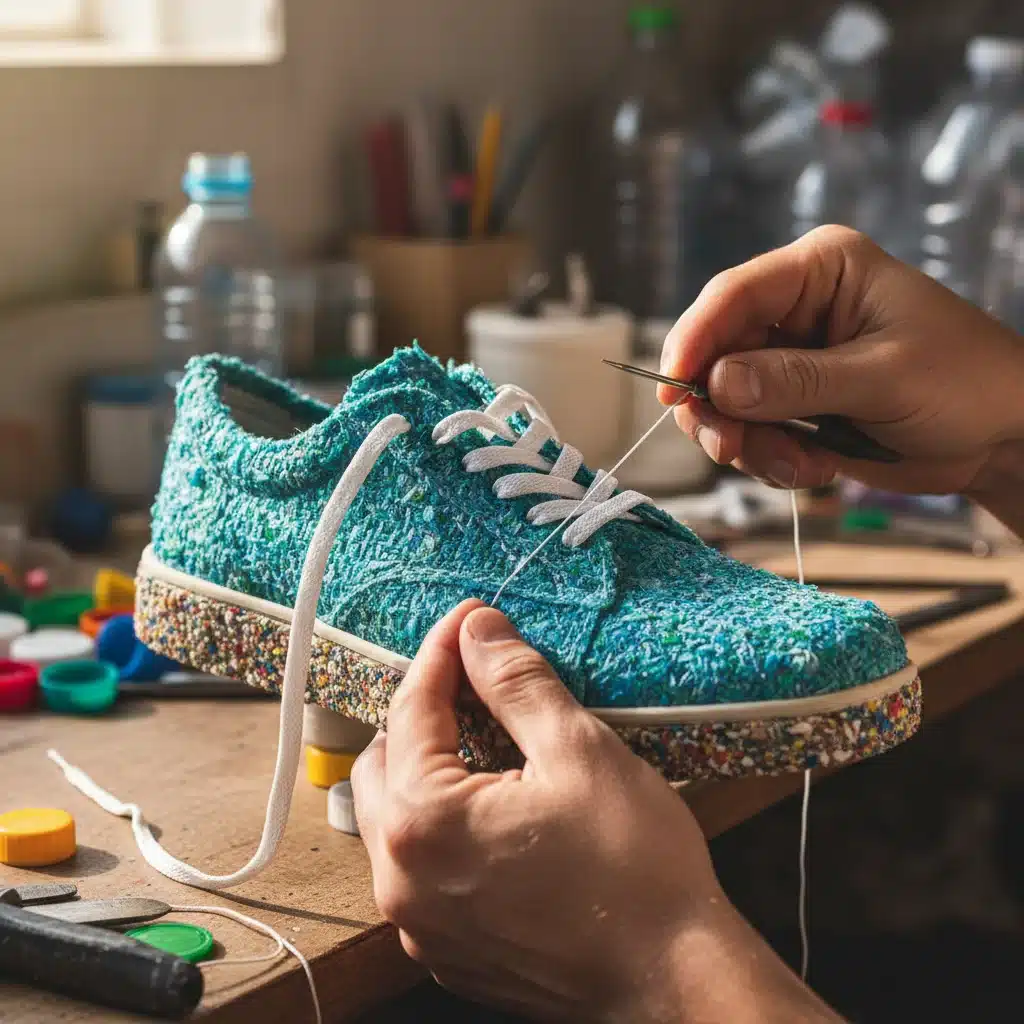
Overview: Rothy’s has revolutionized the use of recycled materials, turning plastic bottles into fashionable and comfortable shoes. Their innovative knitting process creates seamless, durable, and machine-washable footwear.
Key Sustainable Practices:
- Materials: Signature thread is spun from 100% post-consumer plastic water bottles. Their outsoles are made from recycled rubber.
- Manufacturing: Utilizes a 3D knitting process that significantly reduces material waste compared to traditional cut-and-sew methods. Their owned and operated factory in China ensures ethical labor and environmental standards.
- Durability & Care: The machine-washable nature of their shoes extends their lifespan, reducing the need for early replacement.
- Circular Economy: They have a robust recycling program for their shoes, aiming for a closed-loop system.
Value Proposition: Rothy’s excels in transforming waste into desirable, functional, and long-lasting eco-friendly footwear, appealing to those who value innovative recycling and easy care.
4. Vivobarefoot: Minimalist Design, Maximum Sustainability
Overview: Vivobarefoot champions barefoot shoe design, promoting natural foot function, while embedding deep sustainability principles into every aspect of their business. They are a certified B Corp.
Key Sustainable Practices:
- Materials: Focuses on natural, recycled, and bio-based materials such as wild hide leather (from free-roaming cattle), recycled PET, BLOOM® algae foam, and natural rubber.
- Durability & Repair: Designed for longevity, and they actively promote repairing shoes over replacing them. They also offer a ‘ReVivo’ program for refurbished shoes.
- Circular Design: Committed to designing shoes that are repairable, recyclable, or biodegradable, aiming for a fully circular product lifecycle.
- Transparency & Ethics: Provides detailed information about their supply chain and works with ethical manufacturers.
Value Proposition: For those seeking health-conscious, minimalist eco-friendly footwear with a strong emphasis on circularity and repairability, Vivobarefoot offers unparalleled value.
5. Thousand Fell: The First Recyclable Sneaker
Overview: Thousand Fell has made waves by creating sneakers designed from the ground up for full recyclability. They offer a take-back program ensuring their shoes never end up in a landfill.
Key Sustainable Practices:
- Materials: Utilizes a blend of recycled materials (plastic bottles, rubber) and natural components like corn waste, sugar cane, coconut husks, and cork.
- Designed for Recycling: Their entire business model is built around product circularity. Once your shoes wear out, you send them back, and they are recycled into new materials.
- Durability: Constructed to be long-lasting, reducing the frequency of replacement before reaching their recycling stage.
- Transparency: Clear about their material sourcing and recycling processes, fostering consumer trust.
Value Proposition: Thousand Fell is ideal for consumers who prioritize a truly circular product lifecycle, ensuring their eco-friendly footwear has a minimal end-of-life impact. They offer stylish, comfortable sneakers with a clear path to recycling.
6. Womsh: Italian Style with an Eco-Conscience
Overview: Womsh (Word of Mouth Shoes) is an Italian brand that blends contemporary design with a deep commitment to environmental and social responsibility. They offer a range of stylish sneakers and shoes made with innovative sustainable materials.
Key Sustainable Practices:
- Materials: Uses a variety of sustainable materials including Appleskin (an apple waste-based leather alternative), recycled PET, organic cotton, and natural rubber. They also have a ‘Re-Think’ line made entirely from recycled and regenerated materials.
- Circular Economy Initiatives: Womsh has a recycling program in collaboration with esosport, allowing customers to return their worn-out shoes to be transformed into anti-trauma flooring for playgrounds.
- Ethical Production: All production is based in Italy, ensuring high labor standards and quality control.
- Packaging: Uses eco-friendly packaging made from recycled and recyclable cardboard.
Value Proposition: Womsh provides a strong option for those looking for fashionable, Italian-designed eco-friendly footwear that actively contributes to circularity through innovative material use and a dedicated recycling program.
Making Your Choice: Beyond the Brands
While these six brands represent the vanguard of eco-friendly footwear in 2026, the best choice for you will depend on your specific needs, style preferences, and budget. Here are additional factors to consider when making your sustainable shoe purchase:
1. Understand Certifications and Labels
Look for third-party certifications like B Corp, GOTS (Global Organic Textile Standard), Fair Trade Certified, or Global Recycled Standard (GRS). These labels provide independent verification of a brand’s sustainability claims, helping you cut through greenwashing.
2. Prioritize Durability and Repairability
The most sustainable shoe is often the one that lasts the longest. Invest in quality over quantity. If a brand offers repair services or guidance, that’s a huge bonus. Consider how long a shoe is likely to remain functional and stylish before needing replacement.
3. Consider the Entire Lifecycle
Think about where the materials come from, how the shoe is made, how it will be used, and what happens to it when you’re done with it. Brands with take-back programs or clear recycling instructions are making significant strides in circularity.
4. Research Brand Transparency
A truly sustainable brand will be open and honest about its supply chain, manufacturing processes, and challenges. Look for detailed information on their website about their sustainability initiatives, not just vague claims.
5. Vegan vs. Natural Materials
While many vegan shoes are sustainable, some rely heavily on petroleum-based synthetics. Conversely, some natural materials like leather can be produced sustainably (e.g., chrome-free tanning, ethical sourcing). It’s essential to look beyond the ‘vegan’ label and investigate the specific materials and processes used. For eco-friendly footwear, the focus should always be on the lowest overall impact.
6. Your Personal Needs
Comfort, fit, and suitability for your intended activity are still paramount. An eco-friendly shoe that sits unused in your closet isn’t truly sustainable. Ensure the shoe meets your practical requirements.

The Future of Eco-Friendly Footwear
The landscape of eco-friendly footwear is continuously evolving, driven by technological advancements, consumer demand, and a growing sense of corporate responsibility. In the coming years, we can expect even more radical innovations:
- Bio-Engineered Materials: Further development of lab-grown materials like mycelium (mushroom-based leather), spider silk, and bacterial cellulose, offering high performance with minimal environmental impact.
- 3D Printing and On-Demand Manufacturing: Reducing waste through precise, localized production and customization, potentially leading to fully recyclable or compostable 3D-printed shoes.
- Advanced Recycling Technologies: Improvements in chemical recycling and material separation will make it easier to reclaim and reuse components from discarded shoes, moving closer to a truly closed-loop system.
- Increased Transparency and Traceability: Blockchain technology and other digital tools will provide consumers with unprecedented transparency into a product’s journey, from raw material to retail shelf.
- Waterless Dyeing and Manufacturing: New techniques that drastically reduce or eliminate water usage in production processes.
- Biodegradable Adhesives and Components: Moving away from petroleum-based glues and components to ensure that, where possible, shoes can return to the earth without harm.
These innovations promise to make eco-friendly footwear even more accessible, affordable, and impactful. As consumers, our choices today help shape this future, signaling to brands that sustainability is not just a preference but a priority.
Conclusion: Step Towards a Greener Tomorrow
The journey towards a more sustainable wardrobe begins with conscious choices, and eco-friendly footwear is a fantastic place to start. The brands highlighted in this comparison – Allbirds, Veja, Rothy’s, Vivobarefoot, Thousand Fell, and Womsh – are not just selling shoes; they are selling a vision of a better future, one where style, comfort, and environmental responsibility walk hand-in-hand.
By investing in these brands, you’re not only getting a high-quality product but also supporting companies that are actively working to minimize their ecological footprint, improve labor conditions, and innovate for a circular economy. In 2026, the options for sustainable shoes are more diverse and appealing than ever before. Take the time to research, understand what truly matters to you in terms of sustainability, and choose a pair that reflects your values. Every step you take in eco-friendly footwear is a step towards a greener, more ethical world.
Let your feet do the talking for the planet. Make an informed choice, and wear your values with pride.