Securing Your First 5 Wholesale Accounts: A 2026 Guide for Emerging US Fashion Brands
The fashion industry is a dynamic, ever-evolving landscape. For emerging US fashion brands, breaking into the wholesale market can feel like navigating a complex maze. Yet, securing your first few wholesale accounts is not just a milestone; it’s a critical step towards sustainable growth, increased brand visibility, and amplified revenue. As we look towards 2026, the strategies for success are becoming increasingly refined, demanding a blend of digital prowess, market insight, and compelling storytelling.
This comprehensive guide is designed to equip you with the knowledge and actionable strategies needed to land your first five significant fashion wholesale accounts. We’ll delve into everything from meticulous preparation and targeted outreach to effective negotiation and long-term relationship building. By 2026, the brands that thrive will be those that understand their unique value proposition, meticulously research their target buyers, and present themselves with unparalleled professionalism. Let’s embark on this journey to transform your emerging brand into a wholesale powerhouse.
Understanding the 2026 Wholesale Landscape: What’s Changed?
The wholesale market for fashion is not static. Over the past few years, and especially looking ahead to 2026, several key shifts have redefined how emerging brands connect with retailers. Understanding these changes is paramount to developing a successful strategy for securing new fashion wholesale accounts.
The Rise of Digital Showrooms and B2B Platforms
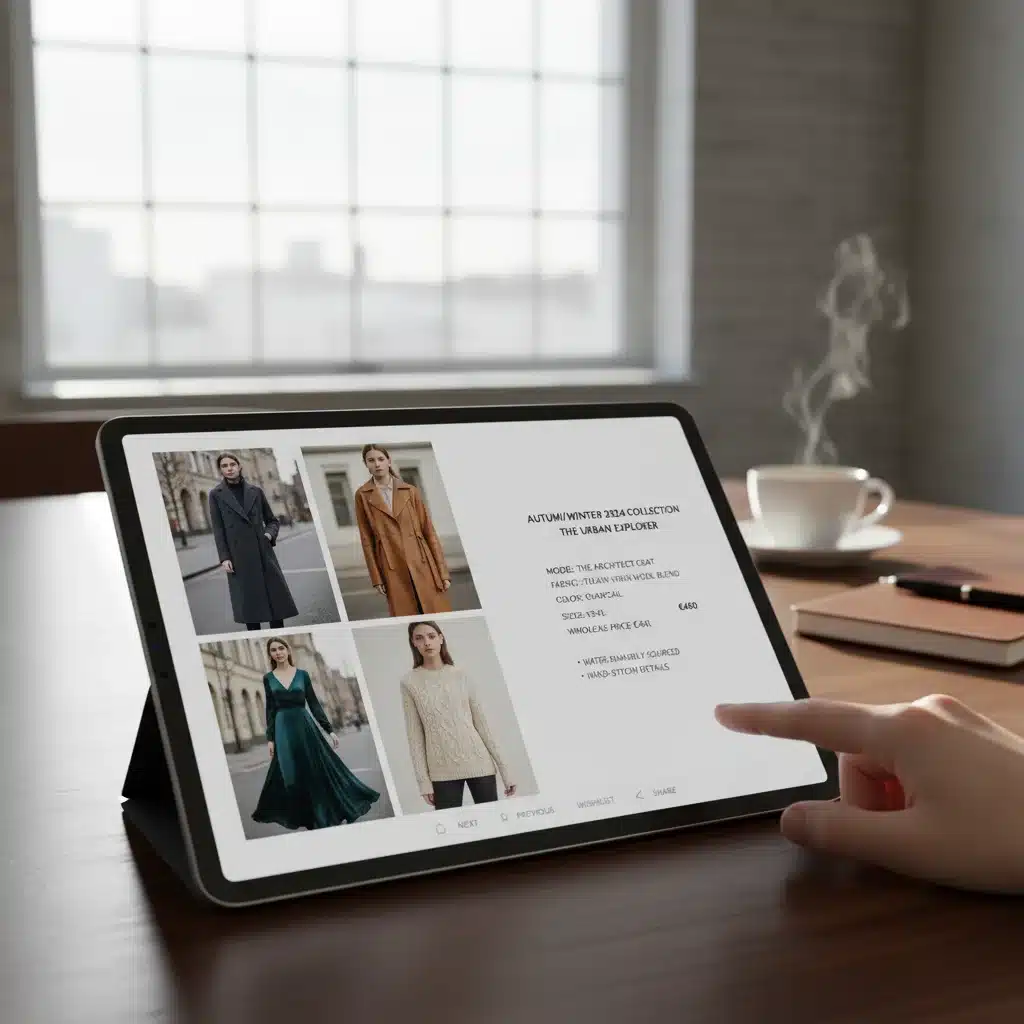
Gone are the days when physical trade shows were the sole gateway to wholesale opportunities. While still relevant, digital showrooms and B2B wholesale platforms have surged in prominence. Platforms like Joor, NuORDER, and Faire offer emerging brands unprecedented access to a global network of buyers, often at a lower cost than traditional methods. Buyers are increasingly comfortable discovering new brands and placing orders through these digital channels. Your brand’s digital presence, including high-quality photography, detailed product descriptions, and compelling brand storytelling, is more crucial than ever.
Advertisements
Sustainability and Ethical Sourcing as Non-Negotiables
Consumers, and consequently retailers, are more conscious about sustainability and ethical practices than ever before. By 2026, a brand’s commitment to these values will not just be a ‘nice-to-have’ but a fundamental expectation. Emerging brands that can transparently articulate their supply chain, material sourcing, and labor practices will gain a significant competitive edge. Be prepared to share your brand’s sustainability story and back it up with verifiable information. This commitment can be a powerful differentiator when pitching for new fashion wholesale accounts.
Data-Driven Buying Decisions
Retailers are leveraging data to make more informed buying decisions. They’re looking at sales trends, customer demographics, social media engagement, and even predictive analytics. For emerging brands, this means understanding your own sales data, identifying your ideal customer, and being able to articulate the market demand for your products. Providing retailers with insights into your brand’s performance and potential can significantly strengthen your pitch.
The Power of Storytelling and Brand Identity
In a crowded market, a strong brand identity and a compelling story are essential. Retailers are looking for brands that resonate with their target audience and offer something unique. Your brand’s narrative – its mission, values, inspiration, and the people behind it – can create an emotional connection that transcends the product itself. This is particularly important when trying to stand out and attract those coveted fashion wholesale accounts.
Phase 1: Preparation is Key – Laying the Groundwork for Wholesale Success
Before you even think about reaching out to potential buyers, meticulous preparation is non-negotiable. This foundational phase will determine the effectiveness of your outreach and the likelihood of securing your first fashion wholesale accounts.
1. Define Your Brand’s Wholesale Identity
What makes your brand unique? What problem does it solve for the consumer? What is its core aesthetic and philosophy? Clearly articulate your brand’s mission, vision, and values. This isn’t just for your website; it’s the essence you’ll convey to every potential buyer. Understand your ideal customer – their demographics, psychographics, and purchasing habits. This will help you identify retailers whose customer base aligns with yours.
2. Develop a Robust Collection and Pricing Strategy
- Wholesale-Ready Collection: Your collection needs to be cohesive, well-produced, and reflective of your brand’s identity. Ensure you have a clear understanding of your production capabilities and lead times. Quality control is paramount.
- Wholesale Pricing Structure: This is critical. You need to establish a pricing strategy that ensures profitability for both your brand and the retailer. Typically, wholesale prices are 50% of the retail price (keystone markup), allowing retailers a healthy margin. Factor in production costs, overheads, marketing, and desired profit margins. Don’t forget to consider Minimum Order Quantities (MOQs) and payment terms.
- Line Sheet Creation: A professional line sheet is your brand’s resume for retailers. It should include: product images (front, back, detail), wholesale and retail pricing, available sizes and colors, fabric composition, country of origin, and MOQs.
3. Craft a Compelling Digital Presence
In 2026, your online footprint is your storefront. Retailers will undoubtedly research your brand before committing. Ensure your website is professional, easy to navigate, and visually appealing. High-quality product photography is non-negotiable. Your social media channels should be active, consistent, and reflect your brand’s aesthetic and values. This digital storefront acts as a powerful pre-vetting tool for potential fashion wholesale accounts.
4. Prepare Your Marketing Materials
Beyond the line sheet, you’ll need a suite of marketing materials:
- Lookbook: A beautifully designed lookbook showcasing your collection in an editorial style can capture the essence of your brand.
- Brand Story/Deck: A concise presentation outlining your brand’s history, mission, target audience, unique selling proposition, and future vision.
- Press Kit (Optional but Recommended): Include any notable press mentions, awards, or collaborations.
Phase 2: Targeted Outreach – Finding Your Ideal Wholesale Partners
Once your brand is wholesale-ready, the next step is to identify and connect with retailers who are the perfect fit. This isn’t about mass emailing; it’s about strategic, targeted outreach to secure your first fashion wholesale accounts.
1. Identify Your Ideal Retailers
Think beyond the big names. Who are the boutiques, online stores, or department stores that cater to your target customer? Look for retailers whose existing brand mix complements yours. Attend local fashion events, browse online directories, and visit stores in person to get a feel for their aesthetic and clientele. Pay attention to their social media presence and the brands they feature.
2. Research Buyer Contacts
Once you have a list of target retailers, find the right person to contact – typically the buyer, merchandise manager, or owner for smaller boutiques. LinkedIn, store websites, and even a polite phone call to the store can help you gather this information. Personalizing your outreach is key.
3. Craft a Personalized Pitch
Avoid generic emails. Each pitch should be tailored to the specific retailer, demonstrating that you’ve done your homework. Mention why you believe your brand would be a great fit for their store and their customers. Highlight specific pieces from your collection that you think would resonate. Keep your initial email concise and compelling, with a clear call to action.
Example Pitch Structure:
- Personalized Opening: Refer to something specific about their store or a brand they carry.
- Brief Brand Introduction: Who you are, what you offer, and your unique selling proposition.
- Why You’re a Good Fit: Explain how your brand aligns with their aesthetic, customer base, or current offerings.
- Highlight Key Pieces: Mention 1-2 specific items that would perform well.
- Call to Action: Suggest a brief meeting (virtual or in-person), or offer to send your line sheet/lookbook.
Phase 3: Making the Connection – Trade Shows, Showrooms, and Digital Platforms
Getting your brand in front of buyers requires a multi-faceted approach. Leveraging various channels can significantly increase your chances of securing those crucial fashion wholesale accounts.
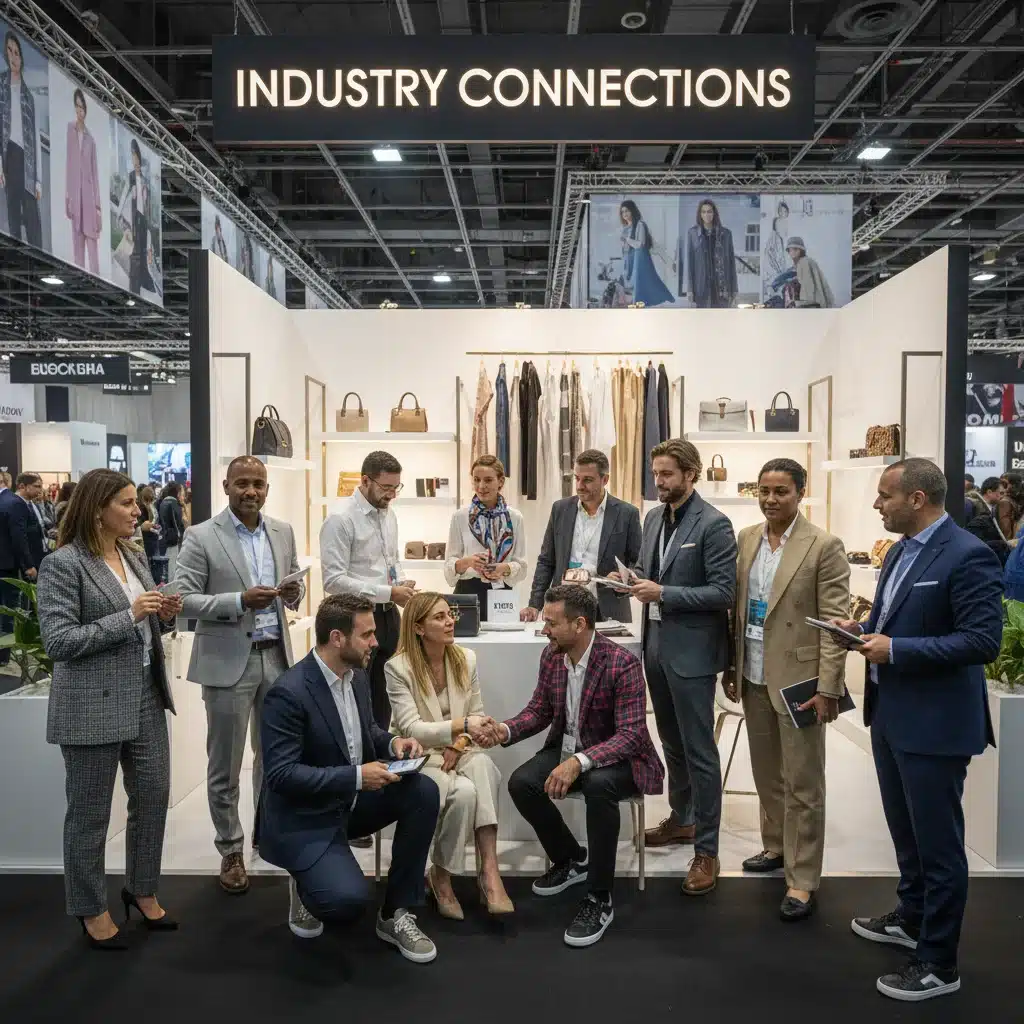
1. Attending Trade Shows
While digital is growing, physical trade shows still offer invaluable opportunities for face-to-face interaction, networking, and immediate feedback. Research relevant trade shows in the US, such as Coterie, Agenda, or regional shows that align with your brand’s niche. Having a well-designed booth, a prepared team, and a clear presentation of your collection is vital. Follow up promptly with every contact you make.
2. Utilizing Digital B2B Platforms
As mentioned, platforms like Joor, NuORDER, and Faire are essential. These platforms allow you to create a digital showroom, upload your line sheets and lookbooks, and connect with a vast network of buyers. Many offer analytics tools to track buyer engagement. Actively engaging with these platforms, updating your profile, and participating in their virtual events can lead to significant opportunities for new fashion wholesale accounts.
3. Working with Sales Representatives/Showrooms
For some emerging brands, partnering with an independent sales representative or a multi-line showroom can be a game-changer. These professionals have established relationships with buyers and a deep understanding of the market. They typically work on commission, so ensure your margins can support this. Research reputable showrooms that represent brands similar to yours but aren’t direct competitors.
4. Leveraging Social Media and PR
A strong social media presence and positive press can attract buyers organically. Retailers often scout new brands on Instagram, TikTok, and through fashion publications. Invest in high-quality content, engage with your audience, and consider reaching out to fashion editors and influencers to generate buzz. This organic interest can pave the way for inbound inquiries from potential fashion wholesale accounts.
Phase 4: The Pitch and Negotiation – Sealing the Deal
Once you’ve piqued a buyer’s interest, the next step is to deliver a compelling pitch and skillfully navigate the negotiation process to land your first fashion wholesale accounts.
1. Deliver a Professional Presentation
Whether in person or virtually, your presentation should be polished and concise. Walk the buyer through your brand story, your collection’s highlights, and why your brand is a perfect fit for their store. Be prepared to answer questions about:
- Production: Lead times, manufacturing process, ethical practices.
- Marketing Support: What marketing materials can you provide? Are you running any campaigns?
- Minimums: Your MOQs and reorder minimums.
- Payment Terms: Standard terms are often Net 30 or Net 60, but be prepared to discuss.
- Shipping: Who pays for shipping?
- Returns/Damages: Your policy on defective merchandise.
Highlight your unique selling points and demonstrate confidence in your product.
2. Master the Art of Negotiation
Negotiation is a natural part of securing fashion wholesale accounts. Be firm but flexible. Understand your bottom line and what you’re willing to concede. Common negotiation points include:
- MOQs: A buyer might request a lower MOQ for an initial order.
- Payment Terms: They might ask for extended terms.
- Shipping Costs: Who covers what.
- Marketing Contributions: Sometimes retailers ask for co-op marketing funds.
Always aim for a win-win situation. A good relationship starts with a fair deal for both parties. Don’t be afraid to say no if a deal isn’t profitable for your brand.
3. Follow Up and Formalize the Agreement
After your meeting or pitch, send a polite, professional follow-up email thanking them for their time and reiterating your interest. If they express interest, promptly send over any requested materials, such as your full line sheet, terms & conditions, and order form. Once an agreement is reached, ensure all terms are clearly documented in a wholesale agreement or purchase order. Legal clarity protects both parties.
Phase 5: Building Lasting Relationships – Beyond the First 5 Accounts
Securing your first five fashion wholesale accounts is a huge achievement, but it’s just the beginning. The real growth comes from nurturing these relationships and continuously proving your value.
1. Excellent Order Fulfillment and Customer Service
Timely delivery of accurate orders is paramount. Any delays or errors can damage your reputation and jeopardize future orders. Maintain open communication with your retailers regarding order status, shipping, and any potential issues. Provide exceptional customer service, responding promptly and professionally to any inquiries or concerns.
2. Ongoing Communication and Support
Don’t just disappear after the order is placed. Stay in touch with your buyers. Share new collection previews, marketing updates, and any press your brand receives. Offer marketing assets like lifestyle images, social media content, and product descriptions to help them promote your products effectively. Consider offering in-store training for their sales staff on your brand’s story and product features.
3. Analyze Performance and Seek Feedback
Regularly review sales data from your wholesale accounts. Which products are performing well? Which aren’t? Ask your buyers for feedback on what’s selling, what their customers are asking for, and any suggestions they might have. This feedback is invaluable for refining your future collections and improving your wholesale strategy. Understanding your performance across your fashion wholesale accounts will help you optimize for future success.
4. Foster Community and Collaboration
Consider creating a private online group (e.g., on Facebook or Slack) for your wholesale partners. This can foster a sense of community, allow for peer-to-peer sharing, and provide a direct channel for you to share important updates. Collaborative marketing efforts, such as joint social media campaigns or exclusive promotions, can also strengthen relationships and drive sales for both parties.
5. Innovate and Adapt
The fashion industry is always moving forward. Keep an eye on emerging trends, consumer preferences, and technological advancements. Be prepared to innovate your designs, materials, and business practices. Show your wholesale partners that your brand is forward-thinking and committed to long-term success. This continuous evolution will ensure your brand remains attractive to existing and potential fashion wholesale accounts.
Common Pitfalls to Avoid When Chasing Fashion Wholesale Accounts
While the path to securing wholesale accounts can be rewarding, there are common mistakes emerging brands often make. Being aware of these can help you navigate the journey more smoothly.
1. Underestimating Production Capabilities
Taking on too many orders without the capacity to fulfill them can be catastrophic. Over-promising and under-delivering will quickly damage your reputation. Be realistic about your production timelines, material sourcing, and labor resources. It’s better to start small and scale responsibly than to burn bridges with your first fashion wholesale accounts.
2. Inadequate Pricing Strategy
Pricing too low can lead to unsustainable margins for your brand, while pricing too high can deter buyers who need to make a profit. Ensure your wholesale pricing allows for a healthy markup for retailers while still covering your costs and desired profit. Don’t forget to factor in potential discounts for larger orders or promotional periods.
3. Lack of Professionalism in Communication
Every interaction with a potential buyer, from the initial email to follow-up calls, should be professional and polished. Typos, delayed responses, or a casual tone can signal a lack of seriousness. Remember, you’re presenting your brand as a reliable business partner.
4. Neglecting Follow-Up
Many promising leads are lost due to a lack of consistent follow-up. Buyers are busy, and your brand might not be their top priority immediately. A polite, persistent, and professional follow-up strategy is crucial. Don’t be pushy, but don’t let opportunities slip away. This is especially true when trying to secure those initial fashion wholesale accounts.
5. Ignoring Feedback
Retailers are on the front lines with consumers. Their feedback, even if critical, is incredibly valuable. Dismissing it can lead to missed opportunities for improvement and strained relationships. Be open to constructive criticism and use it to refine your products and strategy.
6. Over-reliance on a Single Channel
While digital platforms are powerful, don’t put all your eggs in one basket. Diversify your outreach efforts to include trade shows, direct outreach, and potentially sales reps. A multi-channel approach increases your visibility and resilience in the market. This broad strategy will help you secure more fashion wholesale accounts.
7. Not Understanding Buyer Needs
Each retailer has a unique customer base and business model. A one-size-fits-all approach rarely works. Take the time to understand what specific buyers are looking for, what challenges they face, and how your brand can genuinely help them succeed. Tailoring your pitch to their specific needs will make a much stronger impression.
Conclusion: Your Path to Wholesale Success in 2026 and Beyond
Securing your first five fashion wholesale accounts by 2026 is an ambitious yet entirely achievable goal for emerging US fashion brands. It requires a strategic mindset, meticulous preparation, and unwavering dedication. By understanding the evolving wholesale landscape, refining your brand’s identity, crafting compelling materials, and executing a targeted outreach strategy, you can unlock significant growth opportunities.
Remember, wholesale is not just about making sales; it’s about building long-term partnerships. Cultivate these relationships with excellent service, open communication, and a commitment to mutual success. The journey may have its challenges, but with perseverance and the right approach, your emerging fashion brand can establish a strong foothold in the wholesale market, paving the way for sustained success and wider brand recognition in the years to come.
Start today by auditing your brand’s readiness, researching your ideal partners, and refining your pitch. The future of your fashion brand in the wholesale arena is within your grasp.