PR Strategies for Emerging US Designers: Boost Media Mentions by 20% in 2026
In the dynamic and fiercely competitive landscape of the US fashion industry, emerging designers face a monumental challenge: breaking through the noise to capture the attention of media, buyers, and ultimately, consumers. Public relations (PR) is not just a tool; it’s the lifeline that can transform a promising talent into a recognized brand. For emerging US designers, a well-executed PR strategy can be the difference between obscurity and widespread acclaim. This article delves into three crucial strategies designed to maximize PR efforts, aiming for an ambitious yet achievable goal: a 20% increase in media mentions by 2026. This isn’t merely about getting noticed; it’s about strategic visibility that builds credibility, drives sales, and establishes a lasting presence in the fashion world.
The journey of an emerging designer is often marked by passion, creativity, and relentless hard work. However, talent alone is rarely enough. The ability to articulate one’s vision, to tell a compelling brand story, and to strategically place that story in front of the right audiences is paramount. This is where effective public relations comes into play. It’s about crafting narratives that resonate, forging relationships with key industry players, and leveraging every available platform to amplify your message. Our focus here is on actionable, results-driven strategies that empower emerging US designers to navigate the complex PR landscape with confidence and achieve tangible growth in their media footprint.
The fashion industry is constantly evolving, with new trends, technologies, and media consumption habits shaping how brands connect with their audiences. For emerging US designers, staying ahead means not just understanding these shifts but actively adapting PR strategies to capitalize on them. The goal of increasing media mentions by 20% by 2026 is ambitious, but entirely feasible with a targeted, consistent, and innovative approach to PR. Let’s explore how to make this a reality.
Strategy 1: Crafting an Irresistible Brand Narrative and Storytelling
In a world saturated with brands, what makes one stand out? It’s often not just the product, but the story behind it. For emerging US designers, developing an irresistible brand narrative is the cornerstone of any successful PR campaign. This narrative is more than just a mission statement; it’s the soul of your brand, encapsulating your vision, values, inspiration, and unique selling proposition. Media professionals, much like consumers, are drawn to authenticity and compelling stories. A well-crafted narrative provides journalists with a ready-made angle, making their job easier and increasing the likelihood of coverage. This is particularly vital for emerging designer PR.
Advertisements
Defining Your Brand’s Core Identity
Before you can tell your story, you must know it intimately. Start by asking fundamental questions: What inspired you to become a designer? What message do you want your clothes to convey? What problem do you solve for your customers? Who is your ideal customer, and what are their aspirations? Your brand’s core identity should be clear, concise, and emotionally resonant. Is your brand about sustainable fashion, avant-garde artistry, inclusive sizing, or a fusion of cultural influences? Pinpointing these elements will form the backbone of your narrative.
Developing a Unique Selling Proposition (USP)
What makes your brand different from the thousands of others? Your USP is not just a feature; it’s the unique benefit you offer that no one else does, or at least not in the same way. For emerging US designers, this could be an innovative use of materials, a groundbreaking production technique, a distinct aesthetic that defies current trends, or a strong social mission. Clearly articulating your USP is crucial for PR because it gives media outlets a clear reason to feature you. It answers the question: “Why should our readers care about this brand?”
Storytelling Techniques for Media Engagement
Once you have your core identity and USP, it’s time to weave them into compelling stories. Think beyond product launches. Consider stories about your creative process, the challenges you’ve overcome, the artisans you work with, or the impact your brand has on a community. Human-interest angles often perform exceptionally well. Provide journalists with rich, engaging content: high-quality imagery, behind-the-scenes glimpses, personal anecdotes, and quotes that reflect your brand’s personality. Remember, journalists are looking for stories that will captivate their audience, and your unique journey as an emerging designer can be just that.
For instance, if your brand uses upcycled materials, your story could focus on the environmental impact, the ingenuity required to transform discarded items, and the skilled individuals involved in the process. This provides multiple angles for different types of publications – from sustainability blogs to fashion magazines and business journals. Consistently refining and sharing your brand’s narrative across all platforms – your website, social media, press releases, and interviews – will solidify your identity and make you memorable. This strategic narrative building is a powerful component of successful emerging designer PR.
Strategy 2: Leveraging Digital PR and Influencer Marketing
In today’s digital age, traditional PR alone is often insufficient. For emerging US designers, digital PR and influencer marketing are indispensable tools for reaching wider audiences, building brand awareness, and driving engagement. This strategy focuses on online visibility, from securing features on prominent fashion blogs and online publications to collaborating with key opinion leaders who can authentically champion your brand. The digital landscape offers unparalleled opportunities for direct engagement and measurable impact, making it a cornerstone for modern emerging designer PR.
Targeting Online Fashion Publications and Blogs
Identify online platforms that align with your brand’s aesthetic and target audience. This includes major fashion news sites, niche blogs focusing on independent designers, sustainable fashion, or specific aesthetics, and even lifestyle publications that feature fashion. Research the types of content they publish and the journalists or editors who cover relevant topics. Personalize your outreach; a generic email is likely to be ignored. Instead, reference specific articles they’ve written, explain why your brand is a perfect fit for their readership, and offer exclusive content or interviews. High-resolution imagery and a well-organized digital press kit are essential for these pitches.
Strategic Influencer Collaborations
Influencer marketing has evolved beyond simply sending free products. For emerging US designers, strategic collaborations mean identifying influencers whose personal brand, audience demographics, and values align perfectly with your own. Look for micro-influencers (10,000-100,000 followers) who often have higher engagement rates and a more dedicated following than mega-influencers. Their audiences are typically more trusting of their recommendations. Develop authentic partnerships where influencers genuinely love and understand your brand. This could involve sponsored posts, takeovers, co-created content, or even inviting them to your studio for a behind-the-scenes look. Transparency and authenticity are key; consumers are savvy and can spot inauthentic endorsements.

Optimizing for Search Engines (SEO for PR)
While often overlooked in PR, search engine optimization (SEO) plays a critical role in digital visibility. When your brand is mentioned online, ensure those mentions are discoverable. Encourage publications to link back to your website (backlinks), as this boosts your site’s authority. Use relevant keywords in your press releases and website content, making it easier for journalists and potential customers to find you through search engines. Monitor your brand’s online presence using tools like Google Alerts to track mentions and engage where appropriate. A strong SEO foundation amplifies the longevity and impact of every media mention you secure.
Embracing digital PR and influencer marketing means being agile and responsive to online trends. It requires consistent effort in content creation, community engagement, and relationship building. The payoff, however, can be immense, providing direct access to your target audience and creating a powerful ripple effect across the digital landscape. This approach is fundamental for any emerging designer PR strategy aiming for significant growth.
Strategy 3: Building Strategic Industry Relationships and Networking
In the fashion industry, relationships are currency. For emerging US designers, cultivating a robust network of industry contacts is as vital as the designs themselves. This strategy focuses on proactive engagement with journalists, stylists, buyers, fellow designers, and industry organizations. These connections can open doors to invaluable opportunities, from editorial features and collaborations to retail partnerships and mentorship. Effective networking isn’t about collecting business cards; it’s about building genuine, mutually beneficial relationships that foster long-term growth and support for your brand. This is a crucial, often underestimated, aspect of emerging designer PR.
Cultivating Relationships with Key Fashion Media
Journalists, editors, and stylists are your gateway to media coverage. Instead of only reaching out when you have something to promote, build rapport over time. Follow their work, comment thoughtfully on their articles, and engage with them on social media. When you do pitch, make it personal and relevant to their beat. Offer them exclusive insights, early access to collections, or unique angles they haven’t covered before. Attend industry events where you can meet them in person, but always be respectful of their time. A strong, respectful relationship with a journalist can lead to repeated coverage and invaluable advice.
Engaging with Stylists and Fashion Influencers (Beyond Social Media)
Stylists play a pivotal role in getting your designs seen on celebrities, in editorials, and on influential figures. Reach out to stylists whose work you admire and whose aesthetic aligns with your brand. Offer to lend pieces for shoots or events. Building a direct relationship with stylists can lead to organic placements and endorsements that carry significant weight. Similarly, while digital influencers are key, consider building deeper relationships with those who truly understand and appreciate your brand, turning them into long-term ambassadors rather than one-off collaborators.
Participating in Industry Events and Organizations
Fashion weeks, trade shows, design competitions, and industry panels are prime opportunities for networking. Attend these events not just to showcase your work, but to connect with peers, potential collaborators, buyers, and media. Join industry organizations like the Council of Fashion Designers of America (CFDA) or local fashion councils. These organizations often provide resources, mentorship programs, and networking events specifically tailored for emerging designers. Being part of such communities not only expands your network but also provides credibility and support, which are invaluable for navigating the challenges of the industry.
Remember, networking is a two-way street. Be generous with your knowledge, offer support to others, and always follow up after meetings. A strong network acts as a powerful support system and referral engine, amplifying your PR efforts organically. These genuine connections can often lead to unexpected opportunities and endorsements that no amount of paid advertising can buy, solidifying your position as an emerging US designer. This proactive relationship-building is a cornerstone of effective emerging designer PR.
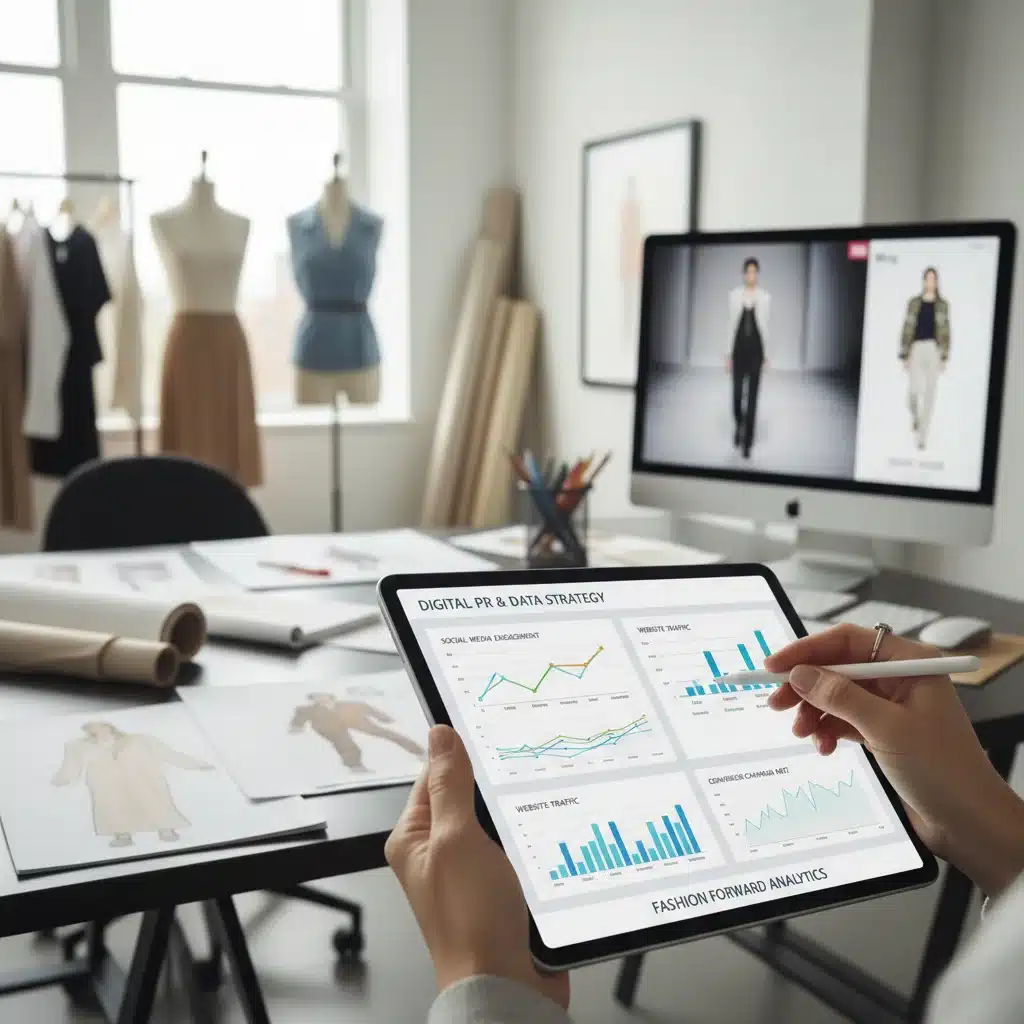
Measuring Success and Adapting Your PR Strategy
Achieving a 20% increase in media mentions by 2026 requires not only implementing these strategies but also continuously monitoring, measuring, and adapting your PR efforts. Without clear metrics, it’s impossible to know what’s working and what needs refinement. For emerging US designers, understanding the impact of their PR activities is crucial for optimizing resources and ensuring sustained growth. This data-driven approach is essential for effective emerging designer PR.
Key Performance Indicators (KPIs) for PR
To track your progress towards the 20% increase, establish clear KPIs. These might include:
- Number of Media Mentions: Track both online and offline mentions. Categorize them by type (features, product placements, interviews) and by media outlet tier (top-tier, mid-tier, niche).
- Media Reach/Impressions: Estimate the total audience size exposed to your brand through media coverage.
- Website Traffic from PR: Monitor referral traffic from media outlets to your website using analytics tools.
- Social Media Engagement: Track mentions, shares, likes, and comments related to your brand following media coverage.
- Brand Sentiment: Analyze the tone of media coverage (positive, neutral, negative) to understand public perception.
- Backlinks: Count the number of high-quality links from reputable publications to your website.
Tools for PR Measurement and Monitoring
Several tools can assist in tracking these KPIs:
- Google Alerts: Free and effective for monitoring online mentions of your brand name and key products.
- Media Monitoring Services: Tools like Cision, Meltwater, or Brandwatch offer comprehensive media tracking across various platforms.
- Google Analytics: Essential for tracking website traffic, referral sources, and user behavior after a media mention.
- Social Listening Tools: Platforms like Sprout Social or Hootsuite can help track social media mentions and sentiment.
- Spreadsheets: A simple yet effective way to log all media mentions, their reach, and associated KPIs.
Iterative Approach to PR
PR is not a one-time campaign; it’s an ongoing process. Regularly review your KPI data (monthly or quarterly) to identify trends. Which types of pitches are generating the most coverage? Which media outlets are most receptive? Are certain influencers driving more engagement or sales? Use these insights to refine your brand narrative, adjust your outreach strategies, and focus your efforts on what delivers the best results. If a particular strategy isn’t yielding the desired outcome, don’t be afraid to pivot. The fashion industry is dynamic, and your PR strategy must be equally adaptable. This continuous cycle of planning, executing, measuring, and adapting is what will ultimately lead to sustained growth in media mentions and brand visibility for emerging US designers.
Conclusion: Amplifying Your Voice in the Fashion World
For emerging US designers, the path to recognition is paved with creativity, resilience, and strategic communication. By focusing on crafting an irresistible brand narrative, leveraging the power of digital PR and influencer marketing, and assiduously building strategic industry relationships, you lay a robust foundation for significant media growth. The goal of a 20% increase in media mentions by 2026 is not merely an aspiration; it’s an attainable outcome for those who commit to a thoughtful, consistent, and data-driven public relations approach.
Remember that every media mention, every collaboration, and every relationship built contributes to the larger tapestry of your brand’s story. It’s about more than just getting your name out there; it’s about building credibility, fostering genuine connections, and articulating a vision that resonates with both industry insiders and consumers alike. Embrace the journey, tell your unique story with passion, and strategically navigate the PR landscape. The fashion world is waiting to discover the next visionary talent, and with these strategies, you are well-equipped to ensure your voice is heard, celebrated, and amplified across all channels. Your success as an emerging US designer is within reach, propelled by smart, effective emerging designer PR.