Sustainable Brand Identity: 2026 Best Practices for US Designers
Building a Sustainable Brand Identity: 2026 Best Practices for Emerging US Designers
The landscape of design and consumer expectations is continually evolving, and perhaps no shift is more profound than the pivot towards sustainability. For emerging US designers, establishing a robust and authentic sustainable brand identity is no longer just a trend; it’s a foundational pillar for success in 2026 and beyond. Consumers are increasingly discerning, seeking brands that not only offer exceptional products but also align with their values concerning environmental stewardship and social responsibility. This comprehensive guide delves into the crucial best practices that will empower emerging designers to cultivate a powerful and resilient sustainable brand identity.
In an era defined by climate consciousness and ethical consumerism, the imperative for designers to integrate sustainability into their core operations has never been stronger. This article will explore the multifaceted dimensions of building a truly sustainable brand, from the initial conceptualization of products to their end-of-life cycle, emphasizing how each stage contributes to a compelling narrative that resonates with today’s market. We will navigate the complexities of ethical sourcing, embrace the innovations of circular design, champion radical transparency, and highlight the power of community engagement. By understanding and implementing these strategies, emerging US designers can not only survive but thrive, carving out a distinctive niche in a competitive global market.
The journey to a strong sustainable brand identity is a continuous one, requiring dedication, innovation, and a genuine commitment to positive impact. It’s about more than just using eco-friendly materials; it’s about embedding sustainability into every fiber of the brand’s DNA, communicating this commitment effectively, and fostering a loyal community that shares these values. Let’s embark on this essential exploration, equipping you with the knowledge and tools to forge a legacy of responsible and remarkable design.
Advertisements
Understanding the Core of a Sustainable Brand Identity
A sustainable brand identity is far more than a marketing slogan; it’s an intrinsic reflection of a brand’s values, practices, and impact. It encompasses every touchpoint, from the materials chosen to the manufacturing processes, packaging, and even how a brand interacts with its employees and customers. For emerging US designers, defining this core means asking critical questions: What environmental footprint do we want to leave? How do we ensure fair labor practices throughout our supply chain? How can our products contribute positively to society?
In 2026, a truly sustainable brand is one that considers the triple bottom line: people, planet, and profit. This holistic approach ensures that business success is not achieved at the expense of social equity or environmental health. Instead, these elements are seen as interconnected and mutually reinforcing. Designers must move beyond superficial greenwashing and commit to tangible, measurable sustainable practices. This commitment forms the bedrock of an authentic sustainable brand identity, building trust and credibility with a sophisticated consumer base that can easily spot insincerity.
Developing this core involves a deep dive into your brand’s mission, vision, and values. It requires a clear articulation of what sustainability means specifically for your brand and how these principles will guide every decision. This clarity is vital for internal alignment among your team and for external communication to your audience. When your brand’s actions consistently reflect its stated sustainable values, you begin to build a powerful and enduring identity that stands apart in the marketplace.
Ethical Sourcing and Material Innovation: The Foundation of Sustainability
The choice of materials and the ethics of their sourcing are paramount to building a sustainable brand identity. For emerging US designers, this means meticulously vetting suppliers and understanding the complete lifecycle of every component used in their products. In 2026, the demand for transparency in the supply chain is at an all-time high, driven by consumer awareness and regulatory pressures.
Prioritizing Sustainable Materials
Focus on materials that have a lower environmental impact. This includes:
- Recycled and Upcycled Materials: Utilizing post-consumer waste or transforming discarded items into new products reduces the demand for virgin resources and minimizes landfill waste. Think recycled polyester, regenerated nylon, and upcycled fabrics.
- Organic and Biodegradable Materials: Opt for natural fibers grown without harmful pesticides or chemicals, such as organic cotton, hemp, and linen. Explore innovative biodegradable alternatives to traditional plastics.
- Innovative Bio-based Materials: Research and integrate cutting-edge materials derived from renewable biological resources, like mushroom leather (Mylo), algae-based dyes, and plant-based polymers. These offer exciting possibilities for reducing reliance on fossil fuels.
- Locally Sourced Materials: Where possible, sourcing materials within the US or North America reduces transportation emissions and supports local economies. This also allows for easier oversight of ethical production practices.
Ensuring Ethical Supply Chains
Ethical sourcing extends beyond materials to the human element. Emerging designers must ensure that every worker involved in their supply chain, from raw material extraction to manufacturing, is treated fairly, paid living wages, and works in safe conditions. This requires:
- Supplier Audits and Certifications: Partner with suppliers who hold recognized certifications (e.g., Fair Trade, GOTS for organic textiles, SA8000 for social accountability). Conduct your own due diligence and regular audits.
- Traceability: Implement systems to trace the origin of all materials and components. This transparency helps identify potential ethical or environmental risks and allows for corrective action.
- Long-term Partnerships: Build strong, trust-based relationships with suppliers who share your commitment to sustainability. This fosters collaboration and continuous improvement.
By prioritizing ethical sourcing and material innovation, emerging US designers lay a robust foundation for a credible sustainable brand identity. This commitment not only reduces environmental harm but also resonates deeply with consumers who value integrity and responsibility.
Embracing Circular Design Principles
The traditional linear ‘take-make-dispose’ model is inherently unsustainable. In 2026, a truly forward-thinking sustainable brand identity embraces circular design principles, aiming to keep products and materials in use for as long as possible, eliminating waste and pollution by design. This paradigm shift requires creativity and a rethinking of the entire product lifecycle.
Designing for Durability and Longevity
The first step in circularity is to design products that last. This means:
- High-Quality Construction: Using durable materials and superior craftsmanship ensures products withstand the test of time and use.
- Timeless Aesthetics: Designing pieces that transcend fleeting trends encourages longer use and reduces the perceived need for constant replacement.
- Repairability: Consider how products can be easily repaired. Can components be replaced? Are repair guides available? Some brands even offer repair services.
Designing for Disassembly and Recycling
When a product eventually reaches its end of life, it should be designed to be easily disassembled and its components recycled or composted. This involves:
- Mono-materiality: Using a single type of material or easily separable materials simplifies the recycling process.
- Non-toxic Materials: Ensuring all materials are safe for recycling and do not introduce harmful chemicals into the waste stream.
- Clear Labeling: Providing clear instructions on how to recycle or dispose of the product responsibly.
Exploring New Business Models
Circular design also opens the door to innovative business models that extend product life and reduce consumption:
- Product-as-a-Service (PaaS): Instead of selling products, brands can lease or rent them, maintaining ownership and responsibility for their end-of-life.
- Take-back Programs: Implementing systems where customers can return used products to the brand for repair, refurbishment, or recycling.
- Resale and Second-hand Platforms: Facilitating the resale of a brand’s products to extend their useful life.
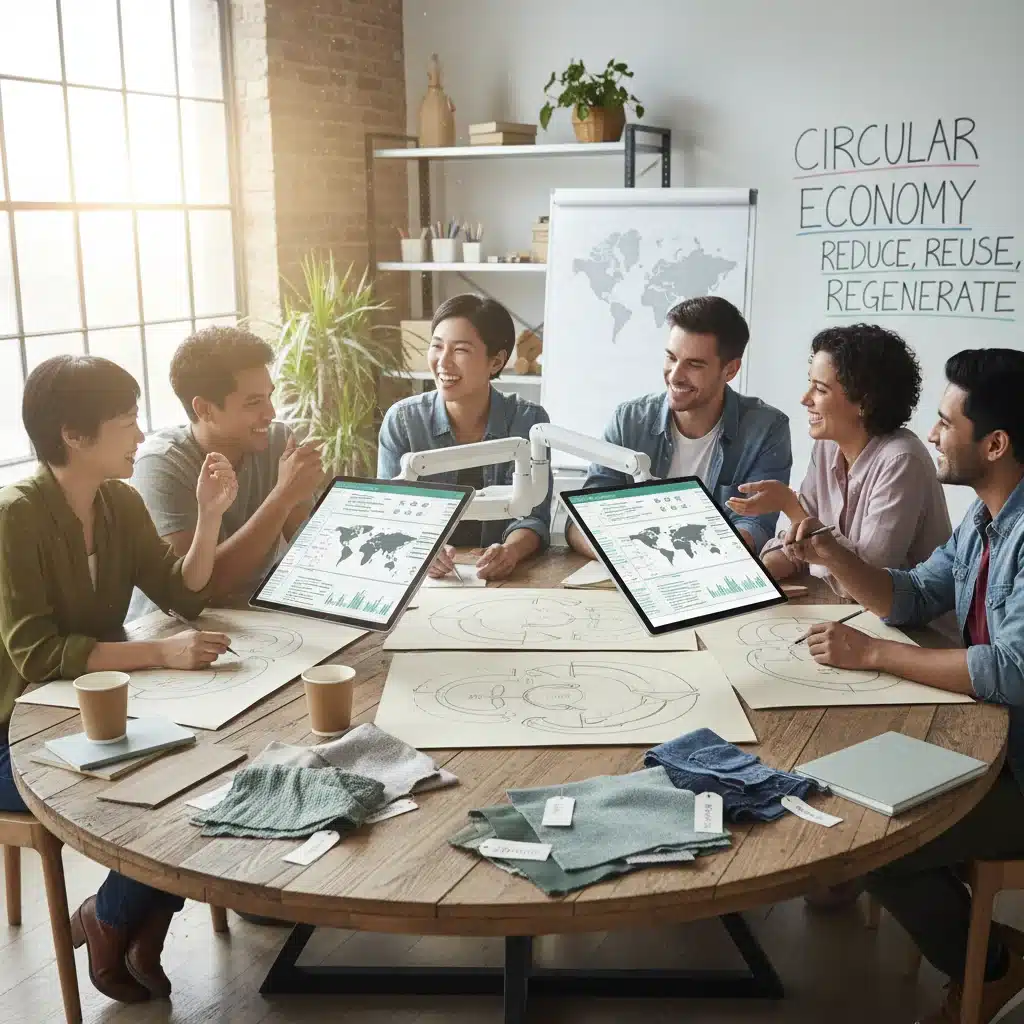
By integrating circular design principles, emerging US designers can significantly reduce their environmental footprint and differentiate their sustainable brand identity in a crowded market. It’s a testament to a brand’s commitment to innovation and responsibility.
Transparency and Accountability: Building Trust
In 2026, consumers demand more than just sustainable products; they demand proof. Transparency and accountability are non-negotiable elements for any brand aiming to build a credible sustainable brand identity. This means openly sharing information about your supply chain, environmental impact, and social practices.
Openly Communicating Practices
Don’t just claim to be sustainable; demonstrate it. This includes:
- Detailed Supply Chain Information: Provide information about your suppliers, where materials come from, and how products are made. This could be on your website, through QR codes on products, or in annual impact reports.
- Impact Reports: Publish regular reports detailing your environmental metrics (e.g., carbon footprint, water usage, waste generated) and social impact (e.g., fair wages, community initiatives).
- Certifications and Standards: Clearly display any third-party certifications (e.g., B Corp, Cradle to Cradle, OEKO-TEX) that validate your sustainable claims.
- Honest Marketing: Avoid greenwashing. Be truthful about your achievements and acknowledge areas where you are still working to improve. Authenticity builds long-term trust.
Engaging with Stakeholders
Accountability also means being open to feedback and engagement from all stakeholders:
- Customer Feedback: Create channels for customers to ask questions, provide feedback, and voice concerns about your sustainable practices.
- Employee Involvement: Empower employees to contribute to and champion your sustainability initiatives. Their insights and commitment are invaluable.
- Industry Collaboration: Work with other brands, NGOs, and industry bodies to share best practices and collectively drive sustainable change.
Transparency fosters trust, which is the cornerstone of a strong sustainable brand identity. When consumers feel they can trust a brand’s claims, they are more likely to become loyal advocates and support its mission.
Community Engagement and Storytelling
A truly impactful sustainable brand identity extends beyond products and practices to the communities it serves and influences. Engaging with your community and effectively telling your sustainability story are powerful tools for building connection and driving change.
Building a Community Around Shared Values
For emerging US designers, fostering a sense of community involves:
- Educational Initiatives: Educate your audience about the importance of sustainable design, ethical consumption, and the positive impact of their choices.
- Collaborations: Partner with local artisans, non-profits, or other sustainable brands to amplify your message and expand your reach.
- Events and Workshops: Host events that bring your community together, such as workshops on garment repair, sustainable living, or discussions on environmental issues.
- Social Media Engagement: Use platforms to share your journey, invite conversations, and showcase the people and processes behind your brand.
Crafting a Compelling Sustainability Narrative
Storytelling is crucial for conveying your commitment and passion. Your sustainable brand identity should have a clear, engaging narrative that:
- Highlights Your ‘Why’: Explain the motivation behind your sustainable choices. What problem are you trying to solve? What values drive you?
- Showcases Your Impact: Share tangible examples of how your brand is making a difference, whether it’s reducing waste, supporting fair labor, or contributing to conservation efforts.
- Connects with Emotions: Appeal to consumers’ desire to make a positive impact and be part of a larger movement.
- Is Authentic and Consistent: Ensure your story is genuine and consistently reflected across all your communication channels.

By actively engaging with your community and telling an authentic sustainability story, emerging US designers can transform customers into advocates, creating a powerful network of support for their sustainable brand identity.
Navigating Challenges and Future Trends in 2026
The path to a fully developed sustainable brand identity is not without its challenges. Emerging US designers will encounter hurdles such as higher initial costs for sustainable materials, the complexity of supply chain traceability, and the need for continuous innovation. However, these challenges also present opportunities for differentiation and leadership.
Addressing Cost and Scalability
Sustainable practices can sometimes incur higher initial costs. Designers must strategically factor these into their business models, communicating the added value to consumers. As demand for sustainable products grows, economies of scale will gradually make these options more accessible. Exploring grants, sustainable investment funds, and collaborative purchasing can also mitigate cost barriers.
Staying Ahead of Regulatory Changes
Environmental regulations are becoming stricter globally, and the US is no exception. Emerging designers must stay informed about evolving policies related to material safety, waste management, and carbon emissions. Proactively adopting best practices will ensure compliance and position the brand as a leader rather than a follower.
Leveraging Technology for Sustainability
Technology will play an increasingly vital role in bolstering a sustainable brand identity in 2026. This includes:
- Blockchain for Supply Chain Transparency: Enhancing traceability and verifying the authenticity of sustainable claims.
- AI and Machine Learning: Optimizing production processes to reduce waste, predict demand more accurately, and identify sustainable material alternatives.
- Digital Product Passports: Providing comprehensive information about a product’s origin, materials, and end-of-life options to consumers.
- 3D Design and Prototyping: Reducing the need for physical samples, thereby minimizing material waste and speeding up development cycles.
Embracing Regenerative Practices
Beyond simply reducing harm, the future of a truly sustainable brand identity lies in regenerative practices. This means actively restoring and revitalizing ecosystems, rather than just minimizing negative impact. Examples include supporting regenerative agriculture that improves soil health, participating in reforestation projects, or designing products that actively filter pollutants.
By proactively addressing these challenges and embracing future trends, emerging US designers can solidify their sustainable brand identity, ensuring long-term relevance and positive impact in an ever-changing world.
Conclusion: The Enduring Power of a Sustainable Brand Identity
Building a sustainable brand identity for emerging US designers in 2026 is not merely a strategic choice; it is a fundamental commitment to a better future. The practices outlined – from ethical sourcing and circular design to radical transparency and authentic community engagement – form a robust framework for creating brands that are not only commercially successful but also environmentally responsible and socially conscious.
The modern consumer is educated, empowered, and increasingly demands that the brands they support reflect their values. By integrating sustainability into the very core of your brand, you are not just selling products; you are selling a vision, a purpose, and a promise. This deep connection fosters unwavering loyalty and positions your brand as a leader in the evolving landscape of design.
The journey requires dedication, continuous learning, and a willingness to innovate. However, the rewards are immense: a distinctive market position, a loyal customer base, and the profound satisfaction of contributing positively to the planet and its people. For emerging US designers, embracing these 2026 best practices for a sustainable brand identity is the key to unlocking enduring success and making a meaningful impact in the world.