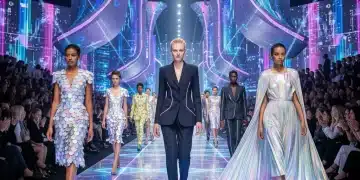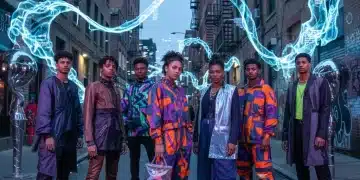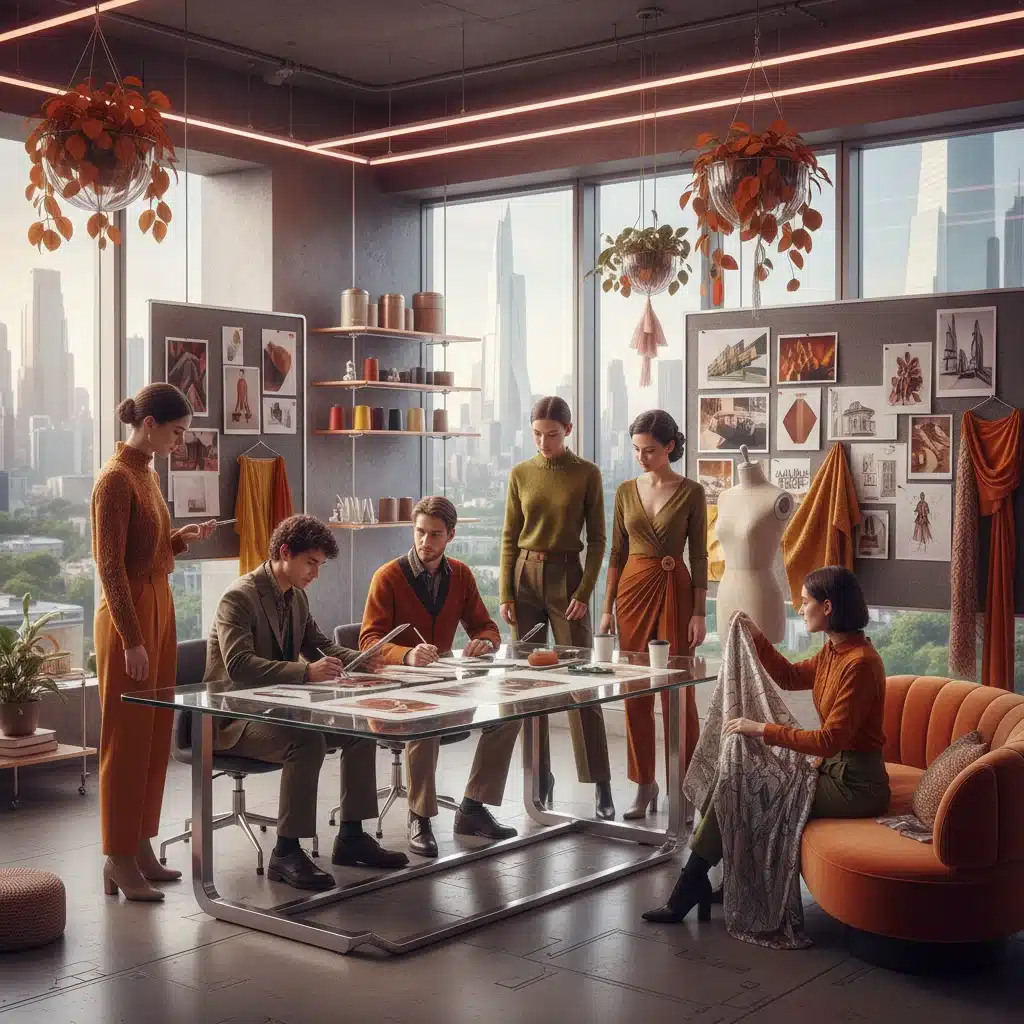
The fashion landscape is a constantly evolving tapestry, and for emerging US designers, anticipating future trends is not just an advantage—it’s a necessity. As we look towards Fall 2026, the confluence of global events, technological advancements, and shifting societal values will profoundly shape consumer preferences and aesthetic directions. To truly thrive, designers must move beyond intuition and delve into the robust world of data. This article will dissect four pivotal data points that will be instrumental in forecasting fall 2026 trends, offering a strategic roadmap for innovation and success.
Understanding these data points isn’t about rigid adherence to predictions; it’s about building a resilient and responsive design philosophy. For emerging US designers, this means not only identifying what consumers will want but also understanding why they will want it, and how to deliver it sustainably and authentically. Let’s embark on this journey to uncover the future of fashion.
The Evolving Consumer: Decoding Behavioral Shifts for Fall 2026 Trends
Consumer behavior is the bedrock of any successful fashion strategy. For fall 2026 trends, we anticipate a continued evolution of preferences influenced by economic shifts, lifestyle changes, and psychological factors. Data from market research firms, social media analytics, and e-commerce platforms offer invaluable insights into these shifts.
The Rise of Conscious Consumption and Value Alignment
Post-pandemic, there’s been an undeniable acceleration in conscious consumption. Consumers are increasingly scrutinizing brands’ ethical practices, environmental impact, and social responsibility. For Fall 2026, this isn’t a niche concern; it’s a mainstream expectation. Data indicates a growing willingness among consumers, particularly Gen Z and younger millennials, to pay a premium for products that align with their values. This manifests in several ways:
Advertisements
- Transparency Demands: Consumers want to know the origin of materials, manufacturing processes, and labor conditions. Supply chain transparency will be a significant competitive differentiator. Designers must be prepared to share their stories and data on sourcing.
- Durability and Longevity: The fast-fashion cycle is losing its appeal. Data shows a shift towards investing in high-quality, durable pieces that stand the test of time. This doesn’t necessarily mean classic styles exclusively; it means well-made items that can be worn repeatedly and styled in various ways.
- Reparability and Circularity: The concept of “ownership” is transforming. Data suggests a rising interest in repair services, resale platforms, and even rental models. Designers should consider how their garments fit into a circular economy from the initial design phase.
Emerging designers can leverage this by focusing on storytelling around their sustainable practices, using traceable materials, and designing for longevity. Data analytics tools can help identify specific consumer segments most interested in these values, allowing for targeted marketing and product development.
The Blurring Lines of Formality and Comfort
The “work-from-anywhere” culture has permanently altered dress codes. For fall 2026 trends, expect a further blurring of lines between formalwear, casual attire, and loungewear. Data illustrates a sustained demand for versatile garments that offer comfort without sacrificing style.
- Elevated Comfort: Think luxurious knits, tailored joggers, and sophisticated separates that can transition seamlessly from a professional video call to an evening out. Fabrics that offer stretch, breathability, and a soft hand feel will be paramount.
- Modular Wardrobes: Consumers are seeking pieces that can be mixed and matched to create multiple outfits. Data from purchase patterns reveals a preference for coordinated sets and versatile staples over single-use items.
- Personalized Expression: While comfort is key, individuality remains crucial. Consumers use clothing as a form of self-expression. Designers should offer adaptable pieces that can be customized or styled uniquely.
Analyzing search queries, social media trends, and sales data for specific garment types can provide designers with precise insights into what “elevated comfort” means for their target demographic.
The Influence of Digital Identities and the Metaverse
While still nascent for mass-market fashion, the influence of digital identities and the metaverse cannot be ignored when forecasting fall 2026 trends. Data on engagement with virtual fashion, NFTs, and gaming avatars indicates a growing comfort with digital self-expression. Emerging designers should consider:
- Digital-Physical Integration: How can physical collections be complemented by digital twins or augmented reality experiences?
- Virtual Merchandising: Opportunities for designing virtual garments or accessories for gaming platforms and metaverse environments.
- Community Building: Leveraging digital spaces to build a community around their brand, offering exclusive digital content or experiences.
Tracking the adoption rates of metaverse platforms and the sales of digital fashion items will provide critical data for designers looking to innovate in this space.
Sustainability as a Design Imperative: Beyond Greenwashing for Fall 2026
Sustainability is no longer a buzzword; it’s a fundamental pillar of modern design and a key driver of fall 2026 trends. Consumers are increasingly discerning, and “greenwashing” is quickly identified and rejected. For emerging US designers, integrating genuine sustainable practices is not just ethical but also a significant market differentiator.
Material Innovation and Sourcing Transparency
The choice of materials is perhaps the most impactful sustainable decision. Data from material science advancements and consumer preference surveys highlight several key areas:
- Recycled and Upcycled Materials: Continued growth in the use of recycled polyester, nylon, and cotton. Emerging interest in upcycled textiles from post-consumer waste.
- Bio-based Materials: Research into mushroom leather, algae-based fabrics, and plant-derived synthetics is accelerating. While some are still in development, designers should monitor their scalability and cost-effectiveness.
- Low-Impact Natural Fibers: Organic cotton, hemp, linen, and responsibly sourced wool continue to be strong contenders due to their biodegradability and lower environmental footprint compared to conventional alternatives.
- Local Sourcing: Reducing transportation emissions by sourcing materials and manufacturing locally within the US will resonate with conscious consumers.
Designers should invest in understanding their supply chain deeply. Data on material lifecycle assessments (LCAs) can guide choices toward truly sustainable options. Partnering with innovative textile manufacturers and leveraging certifications like GOTS (Global Organic Textile Standard) or Oeko-Tex can build trust and provide verifiable data to consumers.
Circular Design Principles
Designing for circularity means considering the entire lifecycle of a garment, from its inception to its eventual end-of-life. For fall 2026 trends, this will move from concept to concrete practice:
- Design for Disassembly: Creating garments that can be easily taken apart to recycle individual components. This includes minimizing mixed material compositions and using easily removable fasteners.
- Design for Durability and Repair: As mentioned, longevity is key. This involves using strong seams, high-quality hardware, and providing care instructions that promote garment preservation. Some brands are even offering repair services.
- Waste Reduction: Implementing zero-waste pattern cutting techniques, utilizing fabric scraps for accessories or smaller items, and optimizing production processes to minimize textile waste.
Data from waste management industries and consumer surveys on product lifespan can inform designers on the most effective circular strategies. Collaborations with textile recycling initiatives can also provide valuable insights and pathways for responsible end-of-life solutions.
Ethical Production and Social Impact
Sustainability extends beyond environmental concerns to encompass social equity. Data on labor practices, fair wages, and safe working conditions are increasingly scrutinized. Emerging designers have a unique opportunity to build ethical production into their brand DNA from the start.
- Fair Labor Practices: Ensuring fair wages, reasonable working hours, and safe environments for all workers in the supply chain.
- Community Engagement: Supporting local artisans, empowering marginalized communities, or contributing to social causes through their business model.
- Transparency in Production: Being open about where and by whom garments are made.
For fall 2026 trends, brands that can demonstrate a positive social impact will gain significant favor with consumers. Auditing supply chains, engaging with ethical manufacturing partners, and communicating these efforts transparently are crucial.
Technological Integration: Smart Fashion and Data-Driven Design
Technology is not just changing how fashion is consumed; it’s transforming how it’s designed, produced, and experienced. For fall 2026 trends, emerging US designers must embrace technological integration to enhance creativity, efficiency, and consumer engagement.
3D Design and Prototyping
The adoption of 3D design software (like CLO3D, Optitex, or Browzwear) is rapidly increasing. Data shows that 3D prototyping significantly reduces sample waste, speeds up development cycles, and allows for more iterative design processes. For emerging designers, this technology offers:
- Cost Efficiency: Reducing the need for multiple physical samples, saving on material and labor costs.
- Faster Time-to-Market: Quickly visualizing and iterating designs, presenting concepts to buyers or investors digitally.
- Creative Exploration: Experimenting with drapes, textures, and silhouettes virtually before committing to physical production.
Investing in 3D design tools and training will be a key differentiator for designers looking to streamline their operations and innovate for fall 2026 trends.
Wearable Technology and Smart Textiles
While mass adoption is still evolving, the integration of wearable technology and smart textiles will continue to influence fall 2026 trends, particularly in performance wear and niche luxury segments. Data from health and fitness tech, as well as smart home devices, suggests a growing comfort with integrated technology. Designers should consider:
- Functional Integration: Garments with embedded sensors for health monitoring, temperature regulation, or adaptive lighting.
- Interactive Elements: Textiles that change color, texture, or pattern based on external stimuli or user input.
- Connectivity: Clothes that connect to smartphones or other devices, offering personalized experiences or data tracking.
Emerging designers can explore collaborations with tech companies or material scientists to integrate these innovations thoughtfully, focusing on genuine utility and aesthetic appeal rather than mere novelty. The key is to ensure the technology enhances the garment’s function and user experience, not detracts from it.

Artificial Intelligence (AI) and Data Analytics in Design
AI’s role in fashion is expanding rapidly, from trend forecasting to supply chain optimization. For fall 2026 trends, emerging designers can leverage AI and data analytics in several ways:
- Predictive Analytics: Using AI to analyze vast datasets (social media, sales, cultural events) to predict upcoming color palettes, silhouettes, and material preferences.
- Personalized Design: AI-driven tools that can help designers understand individual customer preferences to create more tailored collections or bespoke pieces.
- Supply Chain Optimization: AI can help optimize inventory management, predict demand, and identify potential disruptions, leading to more efficient and sustainable production.
Access to these tools, even on a smaller scale, can provide emerging designers with a significant competitive edge, allowing them to make data-informed decisions that resonate with the market.
Cultural Shifts and Global Influences: Reflecting a Dynamic World
Fashion has always been a mirror of society. For fall 2026 trends, cultural shifts, global events, and the increasing interconnectedness of the world will play a crucial role in shaping aesthetics and narratives. Emerging designers must be attuned to these macro trends to create relevant and impactful collections.
The Continued Emphasis on Inclusivity and Diversity
The demand for inclusivity in fashion—across size, gender, race, and ability—is not a trend; it’s a fundamental shift. Data from social media engagement, brand perception studies, and consumer advocacy groups consistently shows that brands embracing diversity are rewarded with loyalty and positive sentiment. For Fall 2026, this means:
- Size Inclusivity: Offering a wide range of sizes that cater to diverse body types, moving beyond tokenistic extended sizing.
- Gender Fluidity: Designing garments that transcend traditional gender binaries, appealing to a broader audience seeking self-expression.
- Cultural Representation: Drawing inspiration from diverse cultures respectfully and authentically, ensuring proper attribution and avoiding appropriation.
- Adaptive Fashion: Considering the needs of individuals with disabilities in design, creating functional and stylish adaptive clothing.
Emerging designers can build inclusivity into their brand DNA by collaborating with diverse models, consulting with advocacy groups, and ensuring their marketing and communications reflect a truly inclusive ethos. Analyzing demographic data and consumer feedback will be key to understanding specific needs.
Global Interconnectedness and Hybrid Identities
The digital age has fostered unprecedented global interconnectedness. For fall 2026 trends, this translates into a rich tapestry of hybrid identities and cross-cultural influences. Consumers are exposed to styles, traditions, and aesthetics from around the world, leading to a desire for unique, globally inspired pieces.
- Fusion Aesthetics: Blending design elements from different cultures, creating novel and visually rich garments.
- Travel-Inspired Collections: Post-pandemic, the resurgence of travel will fuel a desire for clothing that is versatile, comfortable, and evokes a sense of global adventure.
- Digital Nomad Influence: Clothing that caters to a lifestyle of mobility, adaptability, and a blend of professional and leisure activities.
Designers should engage with global trend reports, follow international fashion weeks (both established and emerging), and use social media to track cultural movements. Data from travel patterns and international e-commerce sales can also provide clues about regions influencing consumer tastes.
Nostalgia and Reinterpretation
While we look to the future, nostalgia continues to be a powerful force in fashion. However, for fall 2026 trends, it’s less about direct replication and more about reinterpretation. Data shows cyclical trends, but each cycle brings a fresh perspective, often infused with contemporary values and technologies.
- “New Vintage”: Taking classic silhouettes or details from past decades (e.g., 70s tailoring, 90s minimalism) and updating them with modern fabrics, sustainable practices, or technological enhancements.
- Personalized History: Consumers are increasingly seeking unique vintage pieces or upcycled garments that tell a story, moving away from mass-produced “retro” items.
Analyzing fashion history, tracking resale market data, and understanding generational preferences will help designers identify which nostalgic elements can be successfully reinterpreted for a contemporary audience.
Integrating Data Points for a Cohesive Fall 2026 Collection
The true power lies not in analyzing these data points in isolation, but in integrating them to form a holistic vision for fall 2026 trends. For emerging US designers, this means a multi-faceted approach to design and business strategy.
Scenario Planning and Adaptive Design
The world is unpredictable. Data-driven trend forecasting allows for scenario planning. What if economic conditions shift? What if a new technology emerges? By understanding the drivers behind current trends, designers can develop more adaptive collections that can pivot as circumstances change. This involves:
- Modular Design: Creating pieces that can be easily adapted or combined, offering versatility to the consumer and flexibility to the designer.
- Lean Production: Utilizing data to optimize inventory and minimize overproduction, reducing financial risk and environmental waste.
- Responsive Supply Chains: Building relationships with suppliers who can adapt to changing demands and offer agile production solutions.
For fall 2026 trends, agility will be a hallmark of successful emerging brands. Data on consumer sentiment and market volatility can help inform these adaptive strategies.
Storytelling with Data
Consumers are increasingly sophisticated. They want to connect with brands on a deeper level. For emerging designers, data can be a powerful tool for storytelling. Instead of just stating that a garment is sustainable, designers can use data to show:
- The exact amount of water saved by using recycled fabrics.
- The fair wages paid to artisans in a specific region.
- The journey of a material from its origin to the finished product.
This transparency, backed by verifiable data, builds trust and authenticity, which are invaluable currencies for fall 2026 trends.
Building Community Through Data Insights
Understanding consumer behavior through data also enables designers to build stronger communities around their brands. By analyzing engagement metrics, purchase histories, and feedback, designers can:
- Personalize Marketing: Tailoring communications and offerings to specific customer segments.
- Co-create: Involving their community in design decisions or product development through surveys or social media polls.
- Foster Loyalty: Creating exclusive experiences or products that resonate deeply with their most engaged customers.
For fall 2026 trends, brands that feel authentic and connected to their audience will stand out in a crowded market.
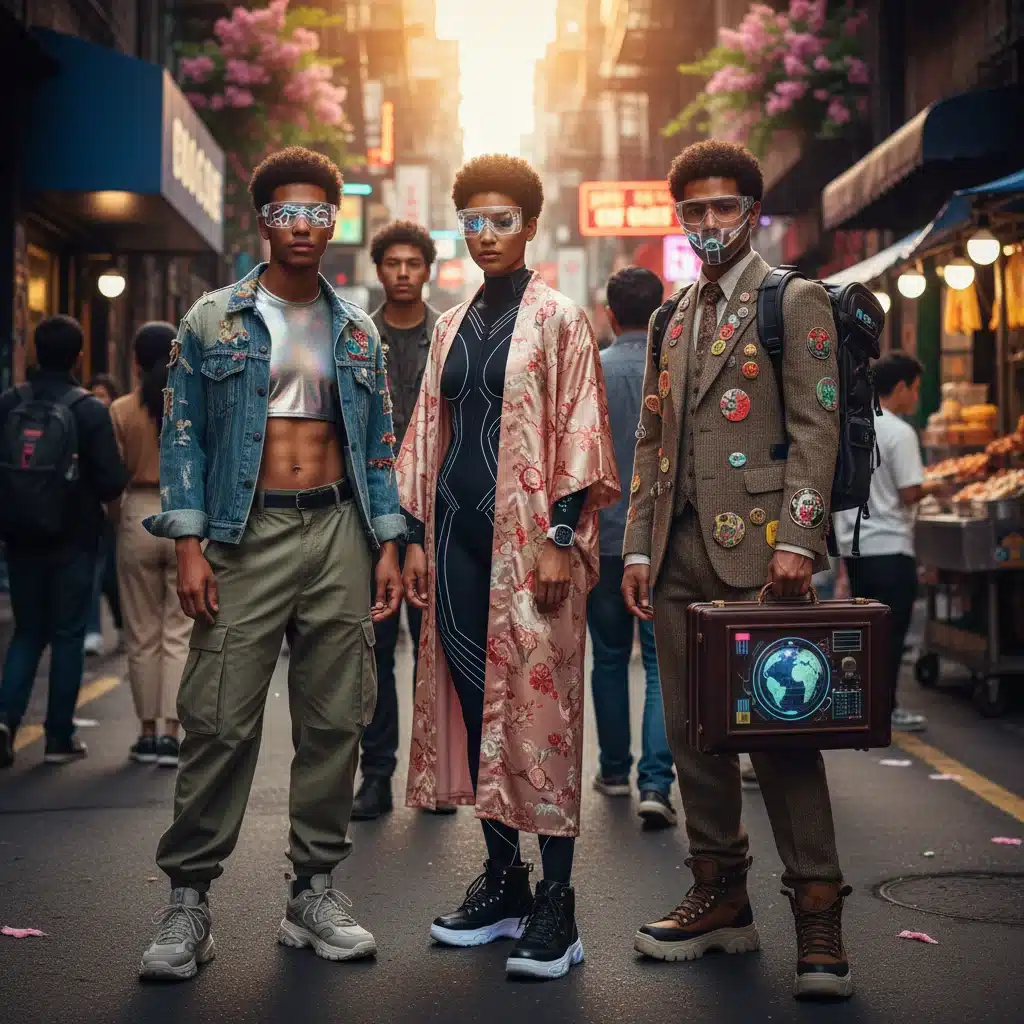
Conclusion: Navigating Fall 2026 with Data-Driven Vision
The journey to Fall 2026 for emerging US designers is fraught with challenges but brimming with opportunities. By meticulously analyzing consumer behavior, championing genuine sustainability, embracing technological integration, and keenly observing cultural shifts, designers can not only anticipate fall 2026 trends but also actively shape them.
The future of fashion demands a blend of creativity and data literacy. It requires designers to be not just artists, but also strategists, researchers, and innovators. The four key data points discussed—consumer behavior, sustainability, technological integration, and cultural shifts—provide a robust framework for making informed decisions, fostering authentic connections, and ultimately, creating collections that resonate deeply with the evolving demands of the market.
For emerging US designers, this is an invitation to lead, to innovate with purpose, and to build brands that are not only aesthetically compelling but also ethically sound, technologically forward, and deeply connected to the pulse of a dynamic world. The data is there; the challenge is to interpret it with vision and translate it into the next era of iconic fashion.