Emerging Designers: Critical Partnership with US Textile Innovators for 2026 Success

Emerging Designers: 1 Critical Partnership Opportunity with US Textile Innovators for 2026
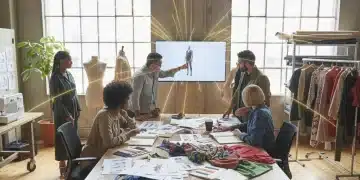
The fashion landscape is in constant flux, driven by evolving consumer demands, technological advancements, and an urgent call for sustainability. For emerging designers, navigating this complex environment can be both exhilarating and daunting. The key to not just surviving, but thriving, lies in strategic alliances. Specifically, a critical partnership opportunity for emerging designers in 2026 is forging strong ties with US textile innovators. This collaboration isn’t merely beneficial; it’s becoming an imperative for sustainable growth, competitive advantage, and ultimately, market success.
The year 2026 is poised to be a pivotal moment for the fashion industry. Consumers are increasingly discerning, demanding not only high-quality and aesthetically pleasing garments but also transparency, ethical production, and environmental responsibility. This shift places immense pressure on emerging designers, who often lack the resources and infrastructure of established brands. However, it also opens doors to innovative solutions, particularly through collaboration with US textile innovators who are at the forefront of sustainable material development and advanced manufacturing techniques.
The Shifting Sands of Fashion: Why Collaboration is Key for Emerging Designers
The traditional fashion supply chain, often fragmented and globalized, is facing unprecedented scrutiny. Issues such as carbon footprint, labor practices, and material waste are pushing brands towards more localized and transparent production models. For emerging designers, this presents a unique challenge and a significant opportunity. Partnering with US textile innovators allows designers to:
Advertisements
- Access Cutting-Edge Materials: US textile innovators are leading the charge in developing sustainable fabrics, smart textiles, and performance materials. This access gives emerging designers a distinct advantage in creating products that meet modern consumer demands.
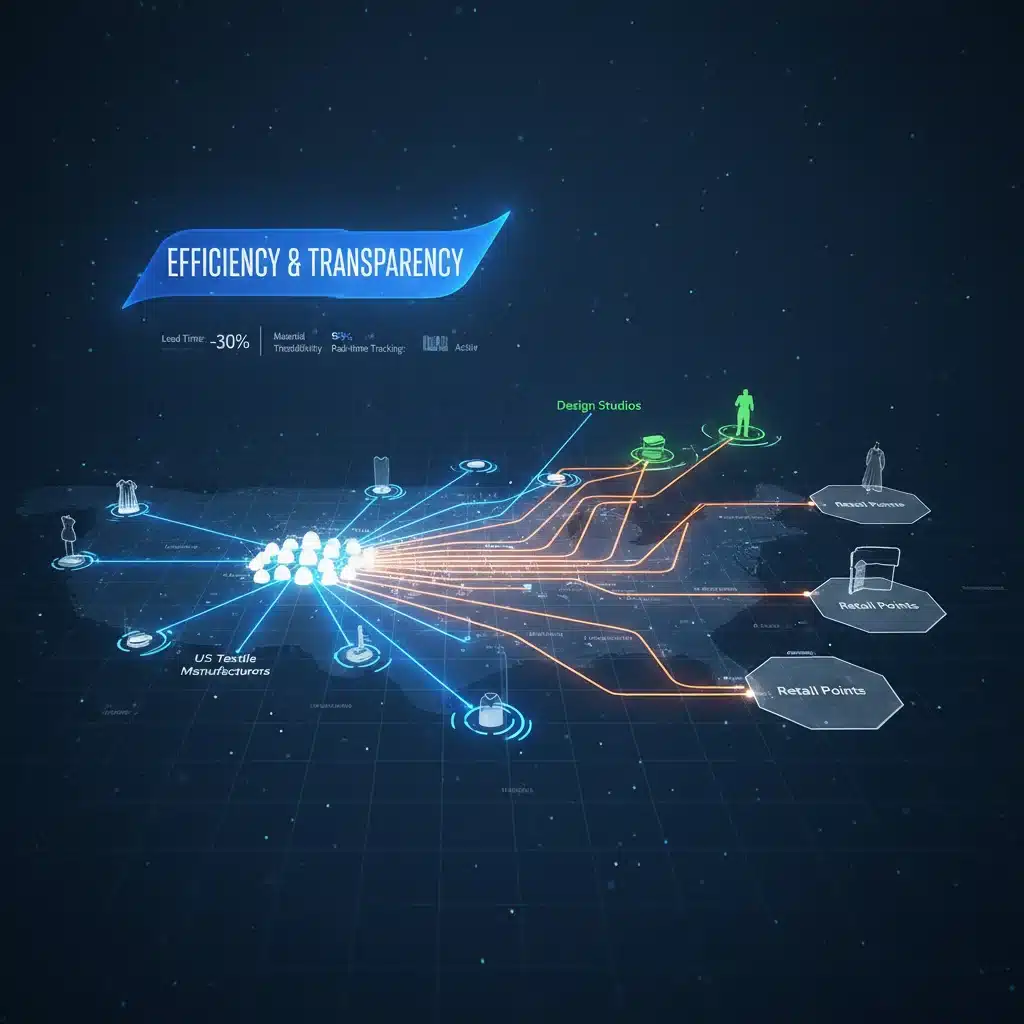
- Ensure Supply Chain Transparency: Working with domestic partners significantly shortens and simplifies the supply chain, making it easier to monitor and verify ethical and sustainable practices. This transparency builds consumer trust, a priceless asset for any brand.
- Foster Sustainable Practices: US textile manufacturers are increasingly investing in eco-friendly processes, from water-saving dyeing techniques to recycled fiber production. Collaborating with these innovators allows emerging designers to embed sustainability into their brand’s DNA from the outset.
- Reduce Lead Times and Increase Agility: Localized production means faster communication, quicker turnaround times, and greater flexibility to respond to market trends. This agility is crucial for emerging designers who need to adapt rapidly in a fast-paced industry.
- Support Local Economies: Choosing US textile partners contributes to the growth of domestic industries, creating jobs and strengthening local communities. This resonates with consumers who prioritize supporting local businesses and ethical manufacturing.
The synergy between emerging designers and US textile innovators is a powerful engine for innovation. Designers bring fresh perspectives, creative vision, and an understanding of niche markets, while textile innovators offer the technical expertise, research capabilities, and manufacturing prowess to bring those visions to life responsibly. This symbiotic relationship is the bedrock of a resilient and forward-thinking fashion ecosystem.
Unlocking Innovation: How US Textile Innovators Empower Emerging Designers
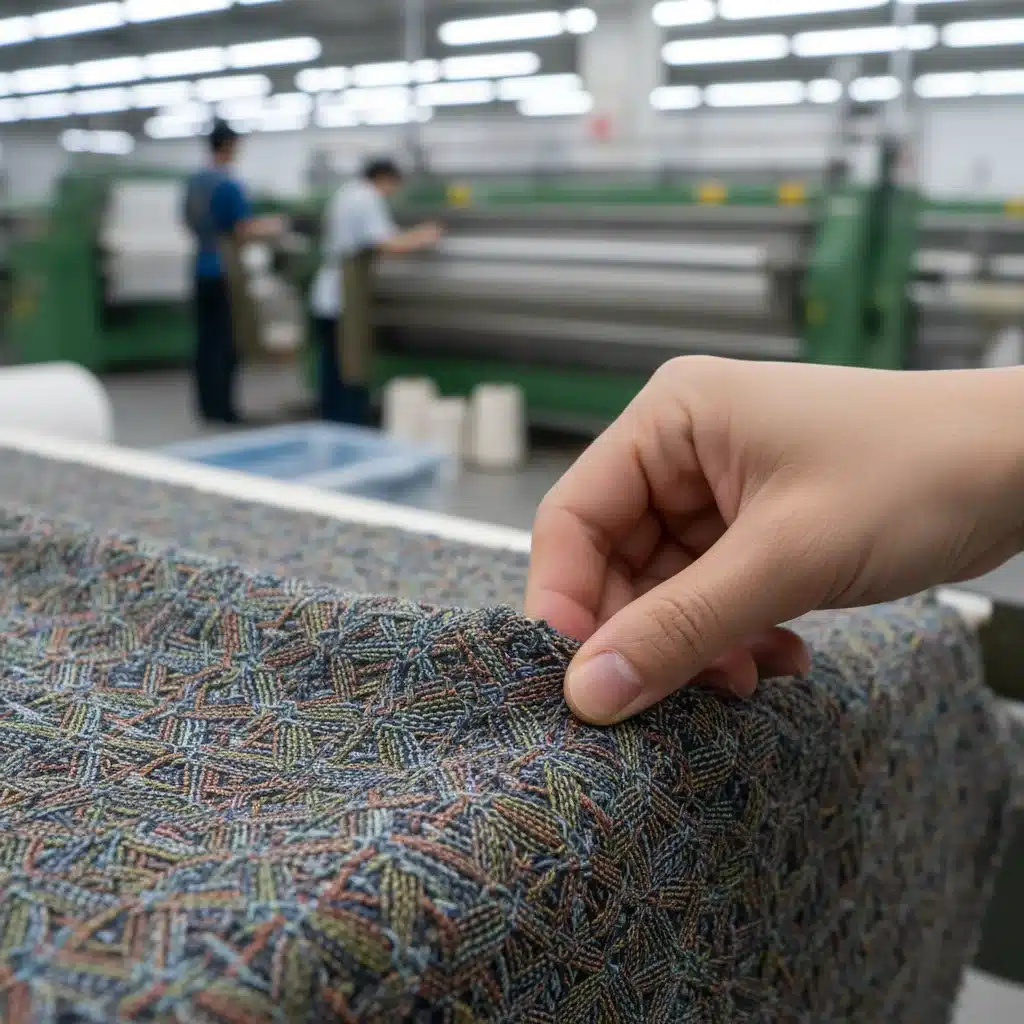
US textile innovators are not just manufacturers; they are research and development powerhouses. They are constantly pushing the boundaries of what textiles can do, from creating fabrics that biodegrade faster to developing materials with integrated technology. For emerging designers, this means a wealth of opportunities to differentiate their brands and create truly unique products.
Sustainable Material Development
One of the most significant contributions of US textile innovators is in the realm of sustainable materials. This includes:
- Recycled and Upcycled Fibers: Innovators are perfecting processes to transform post-consumer and post-industrial waste into high-quality textiles, reducing landfill burden and conserving resources.
- Bio-based Materials: Research into plant-derived fibers, mushroom leathers, and algae-based dyes is yielding exciting alternatives to traditional, petroleum-based materials.
- Closed-Loop Systems: US manufacturers are developing technologies to recycle textiles back into new fibers, creating a circular economy within the fashion industry.
- Waterless Dyeing Technologies: Innovations in dyeing processes are drastically reducing water consumption and pollution, a major environmental concern in textile production.
By partnering with these innovators, emerging designers can build collections that are not only aesthetically pleasing but also environmentally conscious, appealing to the growing segment of eco-aware consumers. This alignment with sustainability values is a powerful brand builder.
Advanced Manufacturing Techniques
Beyond materials, US textile innovators are also at the forefront of advanced manufacturing. This includes:
- 3D Knitting and Printing: These technologies allow for on-demand production, reducing waste and enabling highly customized designs.
- Automation and Robotics: Increased automation in textile manufacturing can lead to higher quality, greater efficiency, and more competitive pricing, all while maintaining ethical labor standards.
- Digital Textile Printing: This allows for intricate designs, reduced water usage, and the ability to produce smaller, more diverse batches, perfect for emerging designers who may not require large-scale production runs.
Access to these advanced techniques enables emerging designers to experiment with new forms, textures, and functionalities that would be impossible with traditional manufacturing methods. It fosters creativity and allows for the development of truly innovative products that stand out in a crowded market.
Navigating the Partnership: Practical Steps for Emerging Designers
While the benefits are clear, forging successful partnerships requires a strategic approach. Emerging designers need to be proactive and prepared to engage with textile innovators effectively.
1. Research and Identify Potential Partners
Start by identifying US textile innovators whose values, capabilities, and material offerings align with your brand’s vision. Look for companies specializing in sustainable textiles, advanced manufacturing, or specific fiber types relevant to your aesthetic. Industry directories, trade shows (both virtual and physical), and professional networks are excellent resources.
2. Clearly Define Your Needs and Vision
Before approaching a potential partner, have a clear understanding of your material requirements, design specifications, production volumes, and sustainability goals. Be able to articulate your brand’s unique selling proposition and how their innovation can help you achieve it. A well-defined proposal demonstrates professionalism and seriousness.
3. Emphasize Mutual Benefits
Partnerships are a two-way street. While emerging designers gain access to innovative materials and expertise, textile innovators benefit from collaborating with fresh talent, gaining insights into new market trends, and potentially showcasing their innovations through unique designer collections. Highlight how your partnership can be mutually beneficial.
4. Start Small and Scale Up
For emerging designers, it’s often prudent to begin with smaller projects or limited-edition collaborations. This allows both parties to build trust, understand each other’s processes, and refine workflows before committing to larger-scale production. A successful pilot project can be a strong foundation for a long-term relationship.
5. Foster Open Communication and Collaboration
Effective communication is paramount. Maintain regular contact, share feedback openly, and be willing to adapt. Treat your textile innovator as an extension of your design team, and encourage collaborative problem-solving. This fosters a strong working relationship and ensures that both parties are invested in the success of the project.
6. Understand the Financials and Logistics
Be prepared to discuss pricing, minimum order quantities (MOQs), lead times, and shipping logistics. While US production might sometimes have a higher upfront cost compared to offshore options, the benefits of quality control, transparency, reduced shipping times, and enhanced brand image often outweigh the initial price difference. Explore grants or programs that support sustainable fashion or domestic manufacturing, as these can help offset costs for emerging designers.
Case Studies and Success Stories (Hypothetical for 2026)
Imagine ‘Lumiere Designs,’ an emerging brand focused on luxury athleisure. For 2026, they partnered with ‘EcoWeave Technologies,’ a US textile innovator specializing in recycled polyester made from ocean plastics. Lumiere Designs leveraged EcoWeave’s advanced fabric development to create a collection of performance wear that was not only stylish and durable but also 100% sustainable. This partnership allowed Lumiere Designs to tell a compelling brand story, resonate with environmentally conscious consumers, and secure significant investment.
Another example could be ‘Terra Threads,’ a brand known for its gender-neutral workwear. They collaborated with ‘BioFibers USA,’ a company pioneering hemp-based textiles with natural dyes. Terra Threads worked closely with BioFibers to develop a range of durable, breathable, and biodegradable fabrics. This collaboration not only provided Terra Threads with unique materials but also allowed them to participate in the entire lifecycle design process, from fiber to finished garment, further cementing their commitment to circular fashion principles.
These hypothetical scenarios illustrate the tangible benefits of such partnerships. They demonstrate how emerging designers can move beyond traditional material sourcing to become true innovators, creating products that are both desirable and responsible.
The Future is Local: Strengthening the US Textile Industry
The resurgence of the US textile industry is not just about manufacturing; it’s about fostering an ecosystem of innovation, sustainability, and ethical production. By partnering with US textile innovators, emerging designers play a crucial role in this revival. They bring new demand, fresh ideas, and a willingness to experiment, which in turn drives further investment and innovation within the domestic textile sector.
This localized approach creates a virtuous cycle: emerging designers benefit from proximity, quality control, and sustainable options, while US textile manufacturers gain new clients, diversify their offerings, and strengthen their position in the global market. The combined efforts contribute to a more resilient, responsible, and competitive fashion industry within the United States.
Policy and Support for Domestic Partnerships
Governments and industry organizations are increasingly recognizing the importance of supporting domestic manufacturing and sustainable practices. Emerging designers should look for grants, mentorship programs, and initiatives that specifically encourage partnerships between designers and US textile manufacturers. These programs can provide crucial financial assistance, networking opportunities, and technical support, making these collaborations more accessible and viable.
For instance, understanding trade agreements, ‘Made in USA’ labeling requirements, and intellectual property protections becomes easier when working with domestic partners. This simplifies compliance and reduces potential legal complexities that might arise from international sourcing.
Challenges and How to Overcome Them
While the opportunities are vast, emerging designers might encounter challenges. These could include:
- Minimum Order Quantities (MOQs): Some US textile manufacturers may have higher MOQs than offshore options. Designers can overcome this by forming collectives, participating in shared production runs, or negotiating smaller initial orders with a commitment to scale.
- Cost Per Unit: Domestic production can sometimes have a higher per-unit cost. However, this is often offset by reduced shipping costs, faster lead times, superior quality, and the ability to command a higher price point due to enhanced brand value and sustainability credentials.
- Finding the Right Partner: The US textile industry is diverse. Finding a partner whose capabilities perfectly match a designer’s unique needs can take time and thorough research. Networking and leveraging industry associations are key.
Overcoming these challenges requires persistence, strategic planning, and a willingness to innovate in business models as much as in design. The long-term benefits of a strong partnership with a US textile innovator far outweigh these initial hurdles.
The Vision for 2026 and Beyond
By 2026, the fashion industry will have further embraced sustainability and transparency as non-negotiable standards. Emerging designers who proactively establish critical partnerships with US textile innovators will be at the forefront of this evolution. They will be the ones creating the next generation of fashion – innovative, ethical, and deeply connected to responsible production.
This isn’t just about making clothes; it’s about building brands with purpose, contributing positively to communities, and driving systemic change within the industry. The collaboration between creative visionaries (emerging designers) and material scientists (US textile innovators) is a powerful force for good, shaping a future where fashion is synonymous with progress.
The call to action for emerging designers is clear: look homeward for your textile partners. Engage with the vibrant ecosystem of US textile innovation. The opportunities are ripe for the taking, and the rewards – in terms of brand integrity, market differentiation, and sustainable impact – are immeasurable. Make 2026 the year you solidify these critical partnerships and redefine what’s possible in fashion.
Key Takeaways for Emerging Designers:
- Prioritize partnerships with US textile innovators for sustainability and innovation.
- Leverage domestic manufacturing for transparency, reduced lead times, and agility.
- Focus on developing unique products with cutting-edge sustainable materials.
- Build strong, communicative relationships with your textile partners.
- Explore available support programs for domestic and sustainable production.
The journey of an emerging designer is challenging, but with the right partners, it can be incredibly rewarding. The US textile industry offers a powerful ally in this journey, providing the tools and expertise needed to create impactful, responsible, and successful fashion brands for 2026 and beyond.