90-Day Blueprint for US Designers: Launch Your Collection in 2026
From Concept to Collection: A 90-Day Blueprint for Emerging US Designers in 2026
Are you an emerging fashion designer in the US with a vision, but unsure how to bring your collection to life? The fashion industry is fast-paced, competitive, and constantly evolving, demanding not just creativity but also strategic planning and execution. This comprehensive 90-day blueprint is specifically designed for aspiring and emerging US designers, offering a structured roadmap to transform your creative concepts into a marketable collection ready for launch by 2026. We will dive deep into every critical phase, ensuring you have the tools and knowledge to navigate the complexities of design, production, marketing, and sales, ultimately helping you establish your unique presence in the vibrant US fashion landscape.
The Urgency of Now: Why a 90-Day Plan for Your Designers Collection Blueprint?
In the dynamic world of fashion, time is often a luxury that emerging designers cannot afford. The market demands novelty, speed, and efficiency. A 90-day plan isn’t just about launching quickly; it’s about instilling discipline, maintaining momentum, and leveraging critical windows of opportunity. This aggressive timeline forces you to prioritize, make decisive choices, and avoid the common pitfalls of procrastination and perfectionism that can stall a young brand. For US designers, understanding the domestic market’s seasonality, consumer trends, and production cycles is paramount. This 90-day designers collection blueprint is engineered to give you a competitive edge, ensuring your brand isn’t just another fleeting trend but a well-orchestrated entry into the industry.
The fashion industry is notoriously competitive, and standing out requires more than just talent; it requires a strategic approach to bringing your vision to market. Many talented designers get bogged down in the minutiae, losing precious time and capital. This blueprint serves as a compass, guiding you through the essential milestones without getting lost in unnecessary detours. By setting a clear 90-day target, you create a sense of urgency that fuels productivity and encourages proactive problem-solving. This structured approach helps in managing resources effectively, from your creative energy to your financial investments, ensuring every step contributes directly to the goal of a successful collection launch.
Furthermore, a defined timeline aids in securing necessary partnerships, whether with fabric suppliers, manufacturers, or marketing agencies. When you present a clear plan and timeline, potential collaborators are more likely to see you as a serious and organized business entity. This blueprint is not just a schedule; it’s a strategic framework that helps you build credibility and confidence, both for yourself and for those you wish to work with. It’s about transforming abstract ideas into concrete actions, laying the groundwork for a sustainable and thriving fashion business.
Advertisements
Phase 1: Concept & Design Development (Days 1-30)
Week 1-2: Vision & Research – Laying the Foundation for Your Designers Collection Blueprint
The initial two weeks are critical for solidifying your vision. This is where your creative spark meets market reality. Begin by defining your brand identity: what is your aesthetic? Who is your target customer? What message do you want to convey? Conduct thorough market research to identify gaps, analyze competitor offerings, and understand current and future trends relevant to your target demographic. This isn’t just about what’s ‘in’; it’s about what resonates with your ideal customer and aligns with your brand’s unique selling proposition. Research sustainable practices, ethical sourcing, and innovative materials that can differentiate your designers collection blueprint.
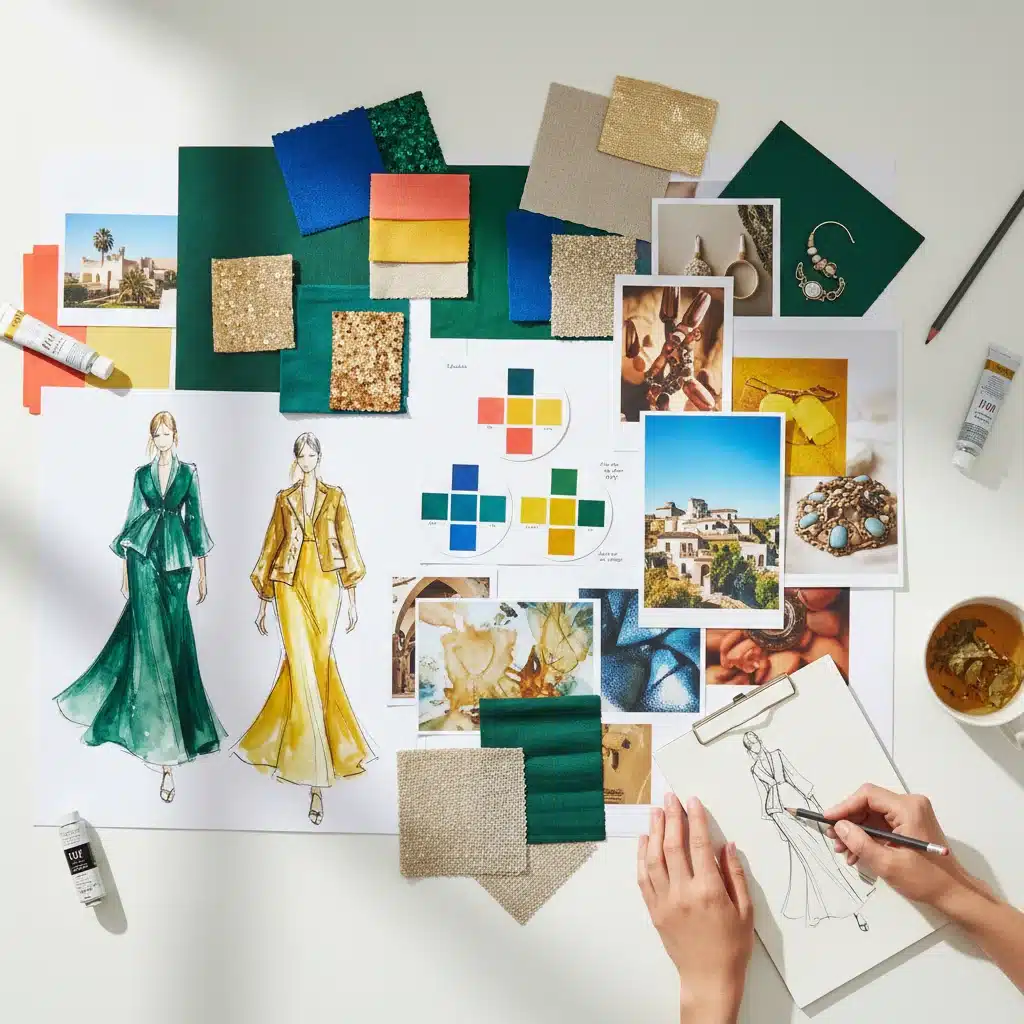
Develop a mood board that visually encapsulates your collection’s theme, color palette, textures, and silhouettes. This visual guide will serve as your creative anchor throughout the entire process. Simultaneously, start sketching initial design concepts. Don’t censor yourself at this stage; let your creativity flow. Focus on developing a cohesive narrative for your collection. What story does it tell? What emotions does it evoke? This foundational work is essential for a strong, unified collection.
Week 3-4: Sketching & Technical Design – Bringing Ideas to Life
With your vision clear, refine your sketches into detailed technical drawings. Each design should include front, back, and side views, along with crucial construction details. This is also the time to decide on your fabrications. Research and source samples of fabrics and trims that align with your aesthetic, budget, and sustainability goals. Consider the drape, hand-feel, durability, and care instructions of each material. Create a preliminary line sheet that outlines each garment, its fabric, and estimated cost. This early cost analysis is vital for setting realistic pricing and profit margins.
Start thinking about the technical specifications of each garment. This includes understanding pattern making principles, grading, and fit. Even if you plan to outsource pattern making, having a basic understanding will allow for more effective communication with your technical team. This phase is about translating your artistic vision into a tangible plan for production, ensuring that your designers collection blueprint is not only beautiful but also practical and manufacturable.
Phase 2: Sourcing & Production Planning (Days 31-60)
Week 5-6: Fabric & Trim Sourcing and Supplier Vetting
This is where your designs begin to take physical form. Finalize your fabric and trim selections. Given the 90-day timeline, prioritize suppliers with quick lead times and reliable quality. Attend virtual or in-person textile fairs if possible, or connect with reputable fabric agents. Always request swatches and samples to assess quality and color accuracy before committing to bulk orders. For US designers, exploring domestic fabric mills can reduce shipping times and support local industries, aligning with potential consumer preferences for ‘Made in USA’ products. Negotiate minimum order quantities (MOQs) and pricing.
Simultaneously, begin vetting potential manufacturers. Look for factories that specialize in your garment type and can meet your production volume and quality standards. Ask for references, visit facilities (if local), and review their portfolios. Communication is key; ensure they understand your design specifications and quality expectations. A strong relationship with your manufacturer is paramount for a smooth production process.
Week 7-8: Pattern Making & Sample Development – The First Physical Manifestation
With fabrics and trims secured, it’s time for pattern making. Provide your technical sketches and fabric information to your pattern maker. Once patterns are complete, the first samples (prototypes or toiles) will be created. This is an exciting but critical stage. Conduct thorough fittings on a live model or dress form that represents your target customer’s body type. Evaluate fit, drape, construction, and overall aesthetic. Document all feedback and necessary adjustments meticulously.
It’s common to go through several rounds of samples (e.g., first sample, second sample, pre-production sample) to achieve the desired fit and quality. For an efficient 90-day designers collection blueprint, aim to minimize sample rounds by providing clear, detailed instructions from the outset. Each sample round takes time, so precision in communication is vital. This iterative process ensures that the final product meets your vision and quality standards.
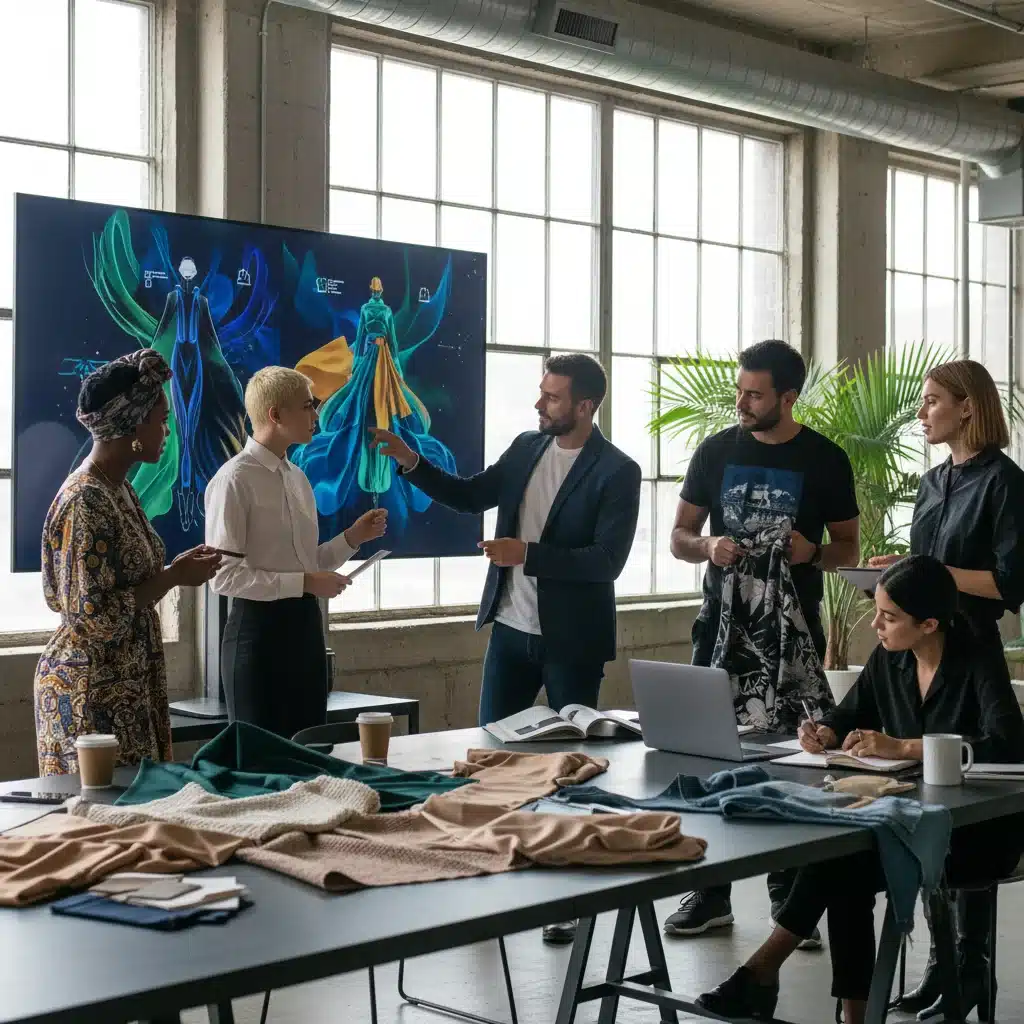
Phase 3: Production, Marketing & Launch (Days 61-90)
Week 9-10: Production & Photoshoot Preparation
With approved samples and finalized patterns, initiate bulk production. Maintain regular communication with your manufacturer to monitor progress and address any potential issues proactively. Quality control is crucial at this stage; consider hiring a third-party inspector or conducting spot checks yourself if feasible. While production is underway, shift focus to marketing and launch preparations.
Plan your collection photoshoot. This includes selecting a photographer, models, makeup artists, and a location that aligns with your brand’s aesthetic. Create a shot list that showcases your garments effectively, highlighting key details and styling options. High-quality imagery is non-negotiable for online sales and brand perception. Simultaneously, begin drafting compelling product descriptions for your website and social media, emphasizing unique features, fabric composition, and care instructions.
Week 11-12: Marketing & Pre-Launch Buzz – Building Anticipation for Your Designers Collection Blueprint
This phase is all about building excitement. Start teasing your collection on social media with behind-the-scenes content, sneak peeks, and countdowns. Engage with your audience, ask questions, and build a community around your brand. Develop an email marketing strategy to inform your subscribers about the upcoming launch, offering exclusive previews or early access. Collaborate with fashion influencers or bloggers whose audience aligns with your target market to generate buzz.
Finalize your e-commerce platform (e.g., Shopify, Squarespace) and ensure all products are uploaded with stunning imagery, accurate descriptions, and correct pricing. Set up payment gateways, shipping options, and a clear return policy. Prepare press kits for media outreach if you plan to engage with fashion journalists. The goal is to create a strong narrative around your brand and collection, making your launch an anticipated event.
Day 90: Launch Day & Post-Launch Strategy – The Culmination of Your Designers Collection Blueprint
Launch day! Execute your pre-planned marketing initiatives. Monitor your website, social media, and sales channels closely. Be prepared to respond to customer inquiries promptly and efficiently. Consider offering a launch discount or a special incentive to encourage initial sales. The launch isn’t the end; it’s the beginning.
Post-launch, analyze sales data, customer feedback, and website analytics to understand what’s working and what can be improved. Engage with customers, solicit reviews, and build loyalty programs. Continue your marketing efforts, adapting your strategy based on performance. Plan for replenishment of popular items and consider future collection development. This 90-day designers collection blueprint is a cycle of continuous improvement and growth, setting the stage for long-term success in the competitive US fashion market.
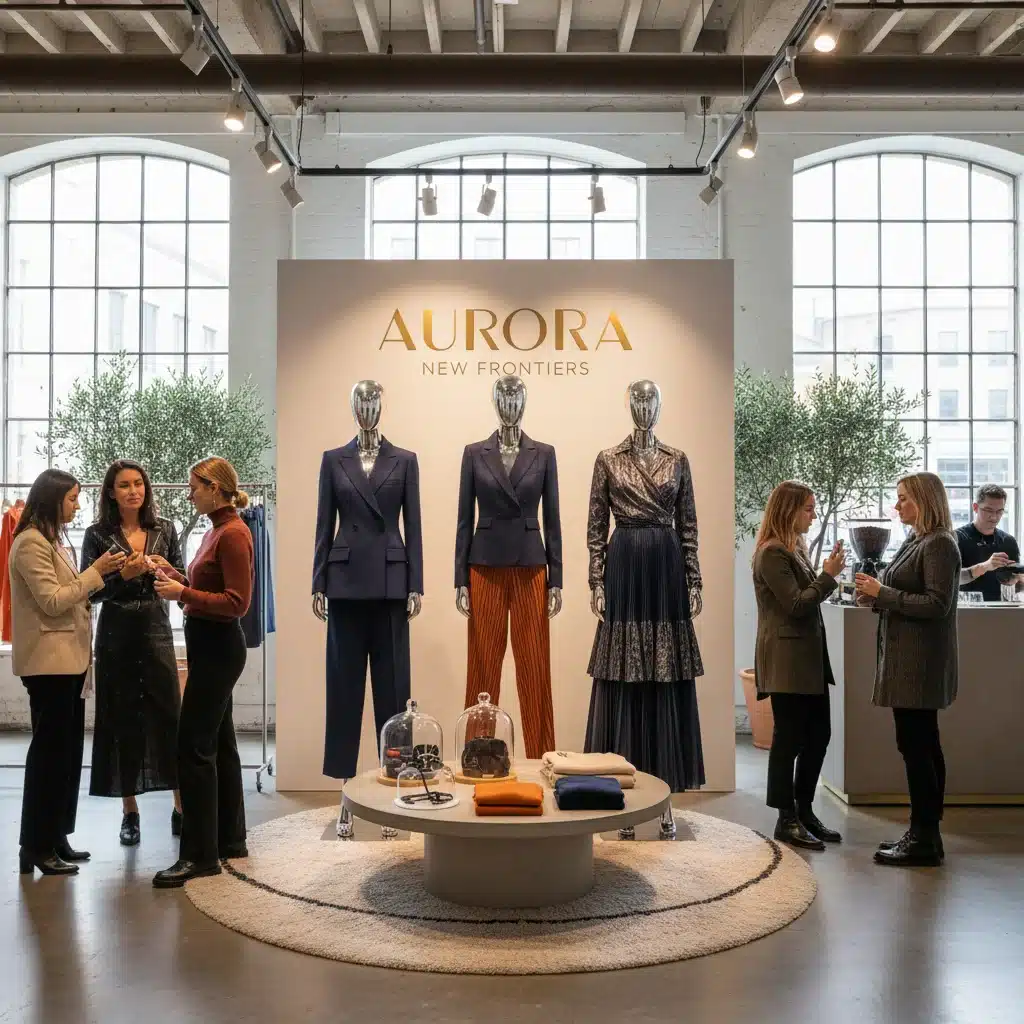
Key Considerations for US Designers in 2026
Sustainability and Ethical Practices
The modern consumer, especially in the US, is increasingly conscious of a brand’s environmental and social impact. Integrating sustainable materials, ethical manufacturing processes, and transparent supply chains into your designers collection blueprint is not just good for the planet; it’s good for business. Highlight your commitment to these values in your marketing and branding. This can include using organic cotton, recycled polyester, upcycled materials, or partnering with factories that offer fair wages and safe working conditions. Authenticity in your sustainability claims is vital to building trust with your audience.
Digital Presence and E-commerce Dominance
An impeccable online presence is non-negotiable. Your website should be user-friendly, visually appealing, and optimized for mobile devices. High-quality product photography, detailed descriptions, and customer reviews are crucial for converting visitors into buyers. Leverage social media platforms that align with your target demographic (e.g., Instagram, TikTok, Pinterest) to tell your brand story, showcase your designs, and engage with your community. Consider implementing augmented reality (AR) features for virtual try-ons to enhance the online shopping experience.
Supply Chain Resilience
The past few years have highlighted the vulnerabilities of global supply chains. As a US designer, explore opportunities for domestic sourcing and manufacturing where feasible to reduce lead times, minimize shipping costs, and gain greater control over production. Diversifying your supplier base, even internationally, can also mitigate risks. A robust and adaptable supply chain is a critical component of a successful designers collection blueprint, ensuring you can meet demand and avoid costly delays.
Building Your Brand Story
In a saturated market, your brand story is what sets you apart. What inspired your collection? What values do you embody? How does your brand connect with your customer’s aspirations? Weave this narrative throughout all your marketing materials, from your website ‘About Us’ page to your social media captions. A compelling brand story creates an emotional connection with your audience, fostering loyalty and advocacy. Your designers collection blueprint should inherently tell a story that resonates.
Financial Planning and Budgeting
Launching a fashion collection requires significant financial investment. Create a detailed budget that accounts for design, sourcing, manufacturing, marketing, photography, and operational costs. Explore funding options such as personal savings, small business loans, grants for emerging designers, or crowdfunding. Prudent financial management is essential for the longevity of your brand. Understand your break-even point and set realistic sales targets. This financial foresight is a cornerstone of a well-executed designers collection blueprint.
Legal Aspects and Intellectual Property
Protecting your designs and brand identity is crucial. Consider trademarking your brand name and logo. While fashion designs can be challenging to copyright, understanding the legal framework around intellectual property can help you protect your unique creations. Consult with a legal professional specializing in fashion law to ensure you’re compliant with all relevant regulations, including labeling requirements and consumer protection laws. This step is often overlooked but is vital for the long-term security of your designers collection blueprint.
Overcoming Challenges: A Resilient Designers Collection Blueprint
No journey in fashion is without its hurdles. Emerging designers often face challenges such as limited capital, difficulty in meeting MOQs, securing reliable manufacturers, and gaining market visibility. This 90-day blueprint acknowledges these realities and encourages proactive problem-solving. For instance, if MOQs are too high, consider starting with a capsule collection or exploring on-demand manufacturing models. If marketing budgets are tight, leverage organic social media growth, collaborate with micro-influencers, and focus on building a strong community around your brand.
Networking within the industry is also invaluable. Attend local fashion events, connect with other designers, and seek mentorship. Learning from the experiences of others can provide insights and open doors to opportunities you might not have discovered otherwise. The fashion community, especially for emerging US designers, can be incredibly supportive. Embrace challenges as learning opportunities and remain flexible in your approach. The ability to adapt and pivot is a hallmark of successful entrepreneurs in any industry, and fashion is no exception. Your designers collection blueprint should be a living document, ready to evolve as you encounter new information and obstacles.
Maintaining a positive mindset and celebrating small victories throughout the 90 days is also crucial for sustaining motivation. The process can be intense, so taking moments to acknowledge progress and learn from setbacks will keep you focused on the ultimate goal. Remember that every established brand started small, and perseverance is often the key differentiator between those who succeed and those who falter. Your passion for design, combined with this strategic blueprint, forms a powerful foundation for your success.
Conclusion: Your Launchpad to Fashion Success by 2026
The journey from a nascent idea to a fully launched fashion collection in just 90 days is ambitious, but entirely achievable with strategic planning, relentless effort, and a clear vision. This designers collection blueprint provides a comprehensive framework for emerging US designers to navigate the complex landscape of the fashion industry. By meticulously following each phase – from concept and design to sourcing, production, marketing, and launch – you can transform your creative dreams into a tangible, marketable reality by 2026.
Remember that success in fashion is not just about beautiful designs; it’s about understanding your customer, building a strong brand identity, establishing efficient production processes, and executing a compelling marketing strategy. Embrace the challenges, leverage the opportunities, and stay true to your unique creative voice. With this 90-day plan, you are not just launching a collection; you are launching your future in fashion. Get ready to make your mark on the US fashion scene and showcase your innovative designers collection blueprint to the world.