Winter 2026 Outfit Essentials: Staying Stylish and Warm with 5 Core Items
The chill of winter often brings with it a conundrum: how do you stay warm without sacrificing your sense of style? As we look ahead to Winter 2026, the answer lies in smart investments in key pieces that offer both functionality and fashion-forward appeal. Building a versatile winter wardrobe doesn’t mean buying endless items; instead, it’s about curating a collection of high-quality, adaptable winter outfit essentials that can be mixed and matched to create countless looks. This guide will delve into the five core items that will form the backbone of your stylish and warm winter ensemble, ensuring you’re prepared for whatever the cold season throws your way.
From the biting winds to the gentle snowfall, winter demands clothing that can withstand the elements while keeping you comfortable and chic. Our focus today is on pieces that are not only trendy for Winter 2026 but also timeless in their utility and aesthetic. We’ll explore how each essential contributes to a cohesive wardrobe, offering tips on how to choose the right materials, fits, and styles to maximize their potential. Get ready to transform your winter dressing experience from a dreaded chore into an exciting opportunity for self-expression.
Understanding the Philosophy of Winter Dressing: Layering is Key
Before we dive into the specific winter outfit essentials, it’s crucial to understand the fundamental principle of successful winter dressing: layering. Layering isn’t just about piling on clothes; it’s a strategic approach that allows you to adapt to changing temperatures throughout the day. It involves wearing multiple thin layers rather than one thick one, trapping air between each layer to create insulation. This method provides superior warmth and allows you to easily remove or add layers as needed, preventing overheating indoors and ensuring maximum comfort outdoors.
Effective layering typically involves three main components:
Advertisements
- Base Layer: This is the layer closest to your skin. Its primary function is to wick away moisture (sweat) to keep you dry, which is essential for staying warm. Look for materials like merino wool or synthetic thermals.
- Mid-Layer: This layer provides insulation. It traps body heat and keeps you warm. Common mid-layer materials include fleece, wool sweaters, down vests, or even a thick flannel shirt.
- Outer Layer (Shell): This is your protective layer against the elements – wind, rain, and snow. It should be waterproof or water-resistant and windproof.
By mastering the art of layering, you’ll find that your winter outfit essentials become even more versatile, extending their use across a wider range of temperatures and activities. This foundational understanding will guide our selection of the core items, ensuring each piece plays a vital role in your overall winter strategy.
Essential #1: The Versatile Long Wool Coat
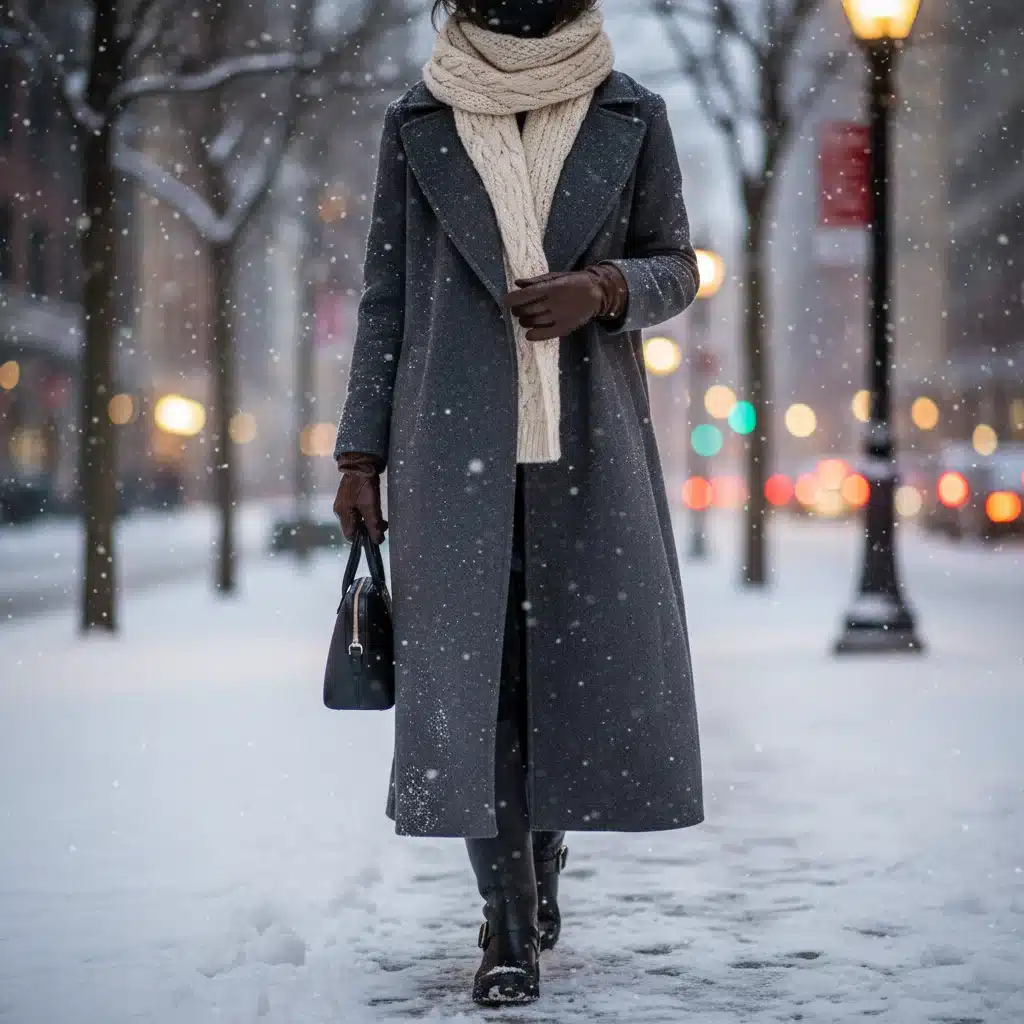
No discussion of winter outfit essentials would be complete without highlighting the indispensable long wool coat. This isn’t just a piece of outerwear; it’s a statement, a shield against the cold, and a foundational element of any sophisticated winter look. For Winter 2026, we’re seeing a continued emphasis on classic silhouettes with modern twists – think oversized lapels, belted waists, and a rich palette of deep neutrals like charcoal, camel, navy, and forest green, alongside a few bolder jewel tones.
Why a Long Wool Coat is a Must-Have:
- Superior Warmth: Wool is a natural insulator, renowned for its ability to provide warmth even when damp. A long coat offers maximum coverage, protecting your core, hips, and upper legs from the biting cold.
- Timeless Style: A well-tailored wool coat transcends fleeting trends. It instantly elevates any outfit, from casual jeans and a sweater to a formal dress or suit. Its inherent elegance makes it suitable for a multitude of occasions.
- Durability: High-quality wool is incredibly durable, meaning your investment will last for many winters to come if cared for properly.
- Layering Potential: Its generous cut allows for comfortable layering underneath, accommodating chunky sweaters or even a light blazer without feeling bulky.
Choosing Your Perfect Long Wool Coat:
When selecting your long wool coat, consider the following:
- Material Composition: Aim for a high percentage of wool (at least 60-80%), blended with other fibers like cashmere for softness or nylon for added durability. Avoid coats with too much polyester, as they often lack the warmth and breathability of natural fibers.
- Fit: A slightly oversized or relaxed fit is ideal for layering. Ensure you can comfortably move your arms and shoulders when wearing your thickest sweater underneath. The length should ideally fall somewhere between mid-calf and ankle for optimal warmth and style.
- Color: While classic black and grey are always safe bets, consider a rich camel, a deep navy, or a sophisticated olive green to add a touch of color without sacrificing versatility.
- Details: Look for well-constructed seams, quality buttons, and a substantial lining. A belt can cinch the waist for a more defined silhouette, while large pockets are practical for keeping hands warm or storing small essentials.
Investing in a quality long wool coat is perhaps the most significant step you can take towards a chic and comfortable winter. It’s the ultimate outer layer among your winter outfit essentials, offering both protection and unparalleled style.
Essential #2: High-Quality Thermal Base Layers
Often overlooked but undeniably critical, high-quality thermal base layers are the unsung heroes of any effective winter wardrobe. These are your first line of defense against the cold, working tirelessly to regulate your body temperature and keep you dry. For Winter 2026, advancements in fabric technology mean base layers are more comfortable, breathable, and effective than ever before.
The Science Behind Base Layers:
The primary function of a base layer is to manage moisture. When you exert yourself, your body produces sweat. If this sweat remains on your skin, it cools rapidly, leading to a significant drop in body temperature – a phenomenon known as the ‘chill effect.’ Thermal base layers are designed to wick this moisture away from your skin and transfer it to the outer layers where it can evaporate, keeping you dry and, consequently, warm.
Key Features to Look for:
- Moisture-Wicking Properties: This is non-negotiable. Materials like merino wool and synthetic fabrics (polyester, polypropylene) are excellent at wicking moisture. Cotton, while comfortable, absorbs moisture and should be avoided as a base layer in cold weather.
- Insulation: While wicking is primary, a good base layer also provides a degree of insulation. Merino wool is particularly good at this, offering warmth without bulk. Synthetic options can also be engineered for varying levels of warmth.
- Breathability: A breathable base layer allows excess heat and moisture vapor to escape, preventing you from feeling clammy or overheating during activity.
- Fit: Base layers should fit snugly against your skin to maximize their wicking capabilities, but not so tight that they restrict movement or feel uncomfortable.
- Comfort: Look for flatlock seams to prevent chafing and soft, non-itchy fabrics.
Merino Wool vs. Synthetics:
- Merino Wool: Natural, incredibly soft, excellent at regulating temperature (cools when hot, warms when cold), naturally odor-resistant, and provides warmth even when damp. It’s often a more expensive option but offers superior comfort and performance.
- Synthetics (Polyester, Polypropylene): More affordable, highly durable, excellent at wicking moisture, and dry very quickly. They may not offer the same odor resistance as merino wool but are a great choice for high-intensity activities.
Incorporating a few sets of high-quality thermal base layers into your winter outfit essentials will dramatically enhance your comfort and warmth, allowing you to enjoy the winter months without feeling perpetually cold. They are the secret weapon for staying cozy beneath your stylish outer layers.
Essential #3: The Chunky Knit Sweater (or Cardigan)
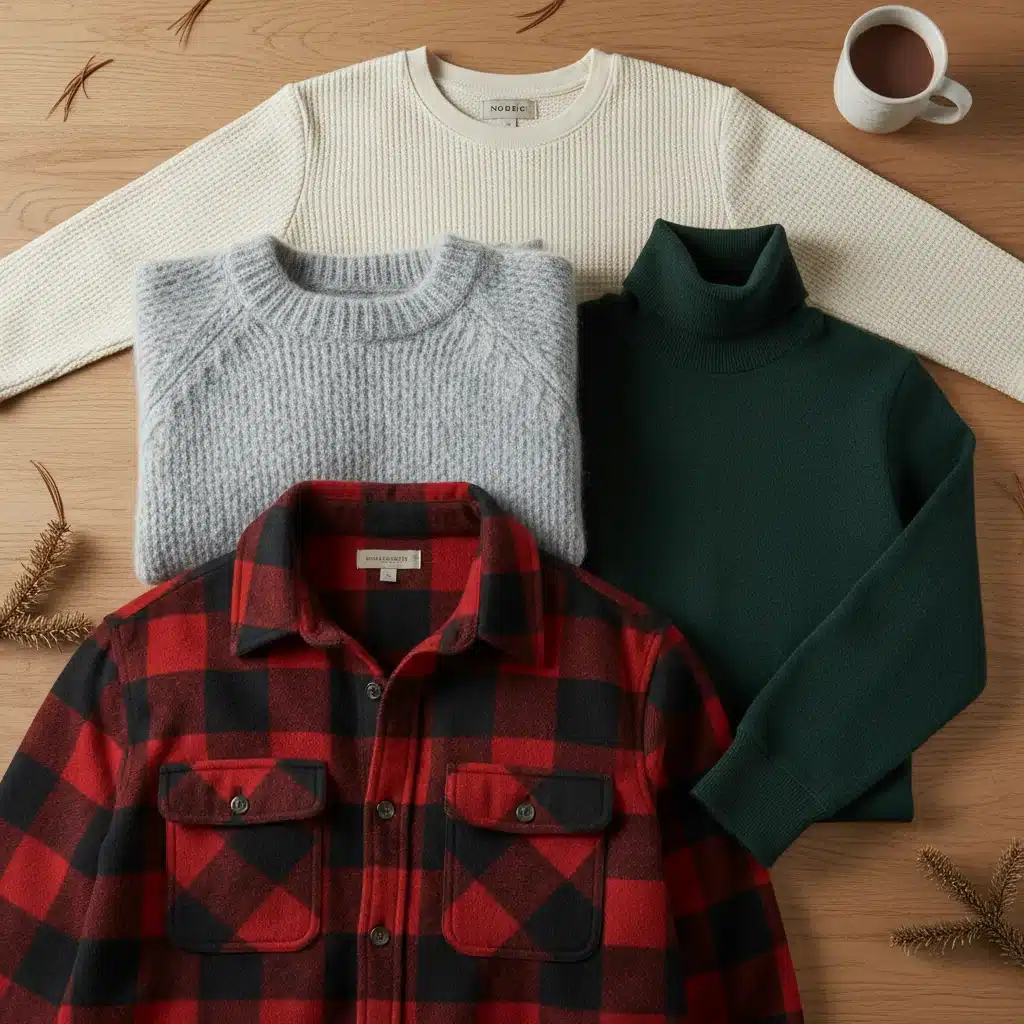
When it comes to mid-layers, the chunky knit sweater reigns supreme as a quintessential winter outfit essential. It’s the perfect blend of cozy comfort and undeniable style, capable of transforming a simple outfit into a fashion statement. For Winter 2026, we’re seeing a resurgence of hand-knit textures, oversized fits, and intricate cable patterns, alongside classic ribbed and fisherman knits.
Why a Chunky Knit is Indispensable:
- Exceptional Warmth: The thick yarns and dense knit of a chunky sweater trap a significant amount of air, providing excellent insulation.
- Texture and Dimension: A chunky knit adds rich texture and visual interest to your outfit, breaking up monotonous layers and creating a more dynamic look.
- Versatility: It can be dressed up or down. Pair it with tailored trousers for a smart casual look, or with jeans and boots for a relaxed weekend vibe. A chunky cardigan offers even more versatility, easily thrown over a lighter top or dress.
- Comfort Factor: There’s nothing quite like the feeling of being wrapped in a soft, substantial knit on a cold day. It embodies the essence of winter coziness.
Selecting Your Ideal Chunky Knit:
- Material: Focus on natural fibers for the best warmth and breathability. Merino wool, cashmere, alpaca, and blends with a high percentage of these fibers are excellent choices. Acrylic can be an affordable option but may not offer the same level of warmth or breathability.
- Knit Type:
- Cable Knit: Classic and intricate, offering a traditional, sophisticated look.
- Rib Knit: Provides stretch and a flattering fit, often seen in turtlenecks and crewnecks.
- Fisherman Knit: Characterized by dense, textured patterns, originally designed for warmth and durability for fishermen.
- Moss Stitch/Seed Stitch: Creates a textured, nubbly surface that adds visual interest.
- Fit: An oversized or relaxed fit is currently very popular and ideal for layering over a base layer. However, ensure it’s not so large that it looks sloppy under your coat. A slightly cropped chunky knit can be very stylish with high-waisted bottoms.
- Neckline: Crew neck, V-neck, turtleneck, and mock neck all offer different styling opportunities and levels of warmth. A chunky turtleneck is particularly effective at keeping your neck warm.
- Color: Beyond neutrals, consider rich autumnal or winter shades like deep burgundy, emerald green, mustard yellow, or a sophisticated heathered grey.
A well-chosen chunky knit sweater or cardigan will be a workhorse in your winter outfit essentials, offering endless styling possibilities and a comforting embrace against the cold.
Essential #4: Waterproof, Insulated Boots
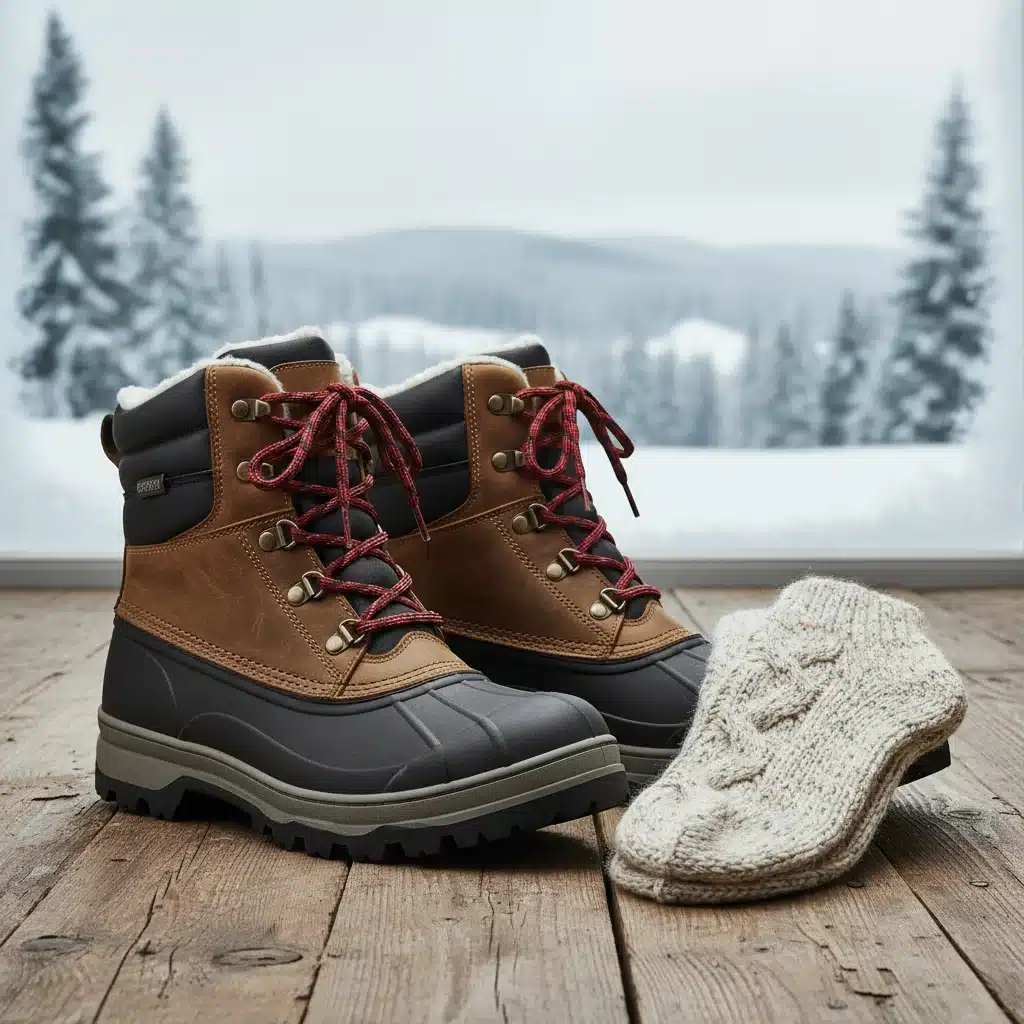
Footwear is paramount in winter, and truly functional, stylish, waterproof, and insulated boots are non-negotiable winter outfit essentials. Cold, wet feet can quickly ruin your day and even pose health risks. For Winter 2026, the trend leans towards boots that seamlessly blend rugged utility with urban chic, featuring sophisticated designs, durable materials, and advanced weather protection.
The Importance of Proper Winter Boots:
- Protection from Elements: Waterproofing keeps your feet dry from snow, slush, and rain, while insulation traps heat to keep them warm. This combination is crucial for comfort and preventing frostbite.
- Traction: Winter surfaces can be slippery. Boots with good grip and sturdy soles are essential for preventing falls and ensuring safe navigation.
- Durability: Winter conditions are harsh on footwear. High-quality materials and construction mean your boots will withstand repeated exposure to moisture and cold.
- Style Integration: Modern winter boots are designed to complement your overall look, not detract from it. They can be just as fashionable as they are functional.
What to Look for in Winter Boots:
- Waterproofing: This is key. Look for boots made with waterproof membranes (like Gore-Tex), sealed seams, and water-repellent leathers or synthetic materials.
- Insulation: Check for specific insulation ratings (e.g., 200g Thinsulate) or materials like shearling, fleece, or synthetic insulation. The amount needed depends on how cold your winters get.
- Sole and Tread: A thick, lugged rubber sole provides excellent grip on icy and snowy surfaces. Look for deep, multi-directional treads.
- Shaft Height: Ankle boots are versatile, but taller boots (mid-calf or knee-high) offer more protection from deep snow and splashing.
- Material: Full-grain leather, treated suede, and advanced synthetics are common. Ensure they are easy to clean and maintain after exposure to winter grime and salt.
- Comfort and Fit: Ensure there’s enough room for thick wool socks without the boots feeling too tight. Good arch support and a comfortable footbed are also important for long-term wear.
Styling Your Winter Boots:
Winter boots can be incredibly stylish. Pair chunky combat-style boots with flowy dresses or skirts for an edgy contrast, or wear sleek, insulated Chelsea boots with tailored trousers. Tall waterproof boots look great with skinny jeans or leggings tucked in, topped with a long coat. Don’t forget high-quality wool or thermal socks to enhance warmth and comfort, completing this crucial aspect of your winter outfit essentials.
Essential #5: Warm Accessories (Scarves, Hats, Gloves)
The final, but by no means least important, category of winter outfit essentials encompasses warm accessories. These small but mighty items are crucial for sealing in warmth, protecting exposed areas, and adding a touch of personal flair to your winter ensembles. For Winter 2026, chunky knits, luxurious textures, and coordinated sets are particularly on-trend.
Why Accessories are Vital:
- Prevent Heat Loss: A significant amount of body heat can be lost through the head, neck, and hands. Covering these areas is essential for maintaining overall body temperature.
- Protection from Elements: Scarves shield your neck and face from windburn, hats protect your scalp and ears from cold, and gloves keep your hands warm and functional.
- Style Enhancement: Accessories offer an easy way to inject color, texture, and personality into your winter outfits. They can elevate a simple coat and sweater combo.
Key Accessory Essentials:
- The Oversized Scarf:
- Material: Look for wool (merino, cashmere, alpaca), cashmere blends, or soft acrylic.
- Size: An oversized scarf can be wrapped multiple times for extra warmth, draped elegantly, or even used as a makeshift shawl indoors.
- Style: Chunky knits, plaid patterns, solid neutrals, or vibrant colors – choose what complements your coat and personal style.
- The Warm Hat:
- Material: Wool beanies, cashmere berets, or faux fur-lined hats are excellent for warmth.
- Style: A classic beanie is always in style. Consider a pom-pom hat for a playful touch, or a sophisticated fedora for a more polished look. Ensure it covers your ears fully.
- Insulated Gloves or Mittens:
- Material: Leather gloves with a wool or cashmere lining offer warmth and a sleek look. Wool or fleece mittens provide superior warmth, especially for extreme cold.
- Functionality: Consider touchscreen-compatible gloves if you need to use your phone frequently.
- Fit: Gloves should fit snugly but allow for dexterity. Mittens offer more warmth due to less surface area exposure.
Coordinating Your Accessories:
While you don’t need perfectly matching sets, choosing accessories that complement each other in color or texture can create a more cohesive and polished look. For example, a cream chunky knit scarf paired with a matching beanie and tan leather gloves. These thoughtful additions complete your winter outfit essentials, ensuring you’re warm from head to toe.
Building Your Winter 2026 Capsule Wardrobe
With these five winter outfit essentials in hand, you’re well on your way to building a functional and fashionable capsule wardrobe for Winter 2026. The beauty of these core items lies in their versatility and the ability to mix and match them to create a multitude of looks. Let’s briefly recap how they work together:
- Base Layer: The foundation for warmth and moisture management.
- Chunky Knit Sweater: Your primary insulating mid-layer, adding texture and style.
- Long Wool Coat: The ultimate outer shell for warmth, protection, and elegance.
- Waterproof, Insulated Boots: Essential for dry, warm feet and safe navigation.
- Warm Accessories: The finishing touches that seal in warmth and add personal flair.
Example Combinations:
- Casual Day Out: Thermal base layer + chunky knit sweater + jeans + insulated boots + long wool coat + beanie and oversized scarf.
- Work/Smart Casual: Thermal base layer + fine-gauge merino wool turtleneck (instead of chunky knit) + tailored trousers + sleek insulated boots + long wool coat + leather gloves.
- Weekend Adventure: Thermal base layer + flannel shirt (as mid-layer) + chunky knit cardigan (over flannel) + waterproof pants + heavy-duty insulated boots + long wool coat + warmest hat, scarf, and mittens.
By focusing on quality over quantity and prioritizing pieces that serve multiple purposes, you’ll find that dressing for winter becomes an enjoyable experience rather than a dreaded task. Each of these winter outfit essentials is an investment in your comfort, style, and well-being during the colder months.
Maintaining Your Winter Essentials for Longevity
To ensure your winter outfit essentials last for many seasons to come, proper care and maintenance are crucial. High-quality materials, especially wool and cashmere, require specific attention to retain their integrity, shape, and warmth.
Tips for Care:
- Wool Coats and Sweaters:
- Cleaning: Most wool coats and high-quality sweaters are dry-clean only or require hand washing with a gentle wool-specific detergent. Always check the care label.
- Storage: Store coats on wide, sturdy hangers to maintain their shape. Fold sweaters to prevent stretching, and store them in breathable garment bags to protect against dust and moths.
- Pilling: Wool items can pill over time. Use a fabric shaver or de-piller to gently remove pills and keep your knits looking fresh.
- Thermal Base Layers:
- Washing: Follow the care instructions carefully. Merino wool often requires cold water and a gentle cycle, while synthetics can usually handle a regular wash. Avoid fabric softeners, as they can reduce wicking properties.
- Drying: Air dry or tumble dry on low heat to prevent shrinking or damage to elastic fibers.
- Waterproof Boots:
- Cleaning: Wipe down regularly with a damp cloth to remove dirt, salt, and slush. For leather, use a specialized leather cleaner and conditioner.
- Waterproofing Treatment: Reapply waterproofing sprays or waxes periodically, especially on leather or suede, to maintain their protective barrier.
- Drying: Stuff wet boots with newspaper to absorb moisture and help them retain their shape. Allow them to air dry away from direct heat sources, which can damage materials.
- Accessories:
- Washing: Scarves, hats, and gloves often require hand washing or a delicate machine cycle, depending on the material.
- Storage: Fold neatly and store in drawers or bins to prevent snags and keep them organized.
By dedicating a little time to caring for your winter outfit essentials, you’ll extend their lifespan, ensuring they remain effective and stylish year after year. This mindful approach to your wardrobe not only saves money in the long run but also promotes sustainable fashion practices.
Conclusion: Embrace Winter with Confidence and Style
As Winter 2026 approaches, you now have the blueprint for a wardrobe that is both exceptionally warm and effortlessly stylish. By focusing on these five winter outfit essentials – the versatile long wool coat, high-quality thermal base layers, the cozy chunky knit sweater, waterproof insulated boots, and a collection of warm accessories – you’ll be well-equipped to face the coldest days with confidence.
Remember, the key to successful winter dressing lies in thoughtful layering and investing in quality pieces that stand the test of time and weather. These essentials are not just about surviving winter; they’re about thriving in it, allowing you to enjoy all the season has to offer without compromising on comfort or personal style. So, go forth and build your ultimate winter wardrobe, embracing the chill with elegance and warmth!