The Top 4 US Manufacturing Partners for Emerging Designers in 2026: An Insider’s Analysis
The Top 4 US Manufacturing Partners for Emerging Designers in 2026: An Insider’s Analysis
The landscape of fashion is ever-evolving, and for emerging designers, the journey from concept to consumer is fraught with critical decisions. Among the most pivotal is selecting the right manufacturing partner. In an era where ethical production, sustainability, and rapid market response are paramount, choosing US manufacturing partners has become an increasingly attractive, and often strategic, option. This comprehensive guide delves into the nuances of partnering with domestic manufacturers, offering an insider’s analysis of the top four US manufacturing partners poised to empower emerging designers in 2026.
The allure of offshore manufacturing, primarily driven by lower labor costs, has long dominated the fashion industry. However, recent global disruptions, coupled with a growing consumer demand for transparency, sustainability, and speed-to-market, have significantly shifted the paradigm. Emerging designers are now looking for partners who can not only produce high-quality garments but also align with their brand values, offer flexibility, and provide a competitive edge in a saturated market. This is where US manufacturing partners truly shine.
Advertisements
Our analysis for 2026 focuses on several key criteria: commitment to quality, sustainable practices, innovative technologies, scalability for growth, and a proven track record of supporting independent and emerging brands. Navigating the complex world of production can be daunting for new designers, often involving minimum order quantities (MOQs), technical specifications, and quality control. Therefore, understanding the strengths and specialties of various US manufacturers is crucial for making an informed decision that will ultimately shape the success and reputation of your brand.
Before we dive into our top picks, let’s explore why choosing US manufacturing partners is a strategic move for emerging designers, offering benefits that extend far beyond mere production.
The Strategic Advantage of US Manufacturing Partners for Emerging Designers
Partnering with US manufacturing partners offers a multitude of advantages that can be game-changers for emerging designers. These benefits directly address many of the challenges new brands face when trying to establish themselves in a competitive industry.
1. Quality Control and Craftsmanship
One of the most significant benefits of working with domestic manufacturers is the enhanced ability to maintain stringent quality control. Proximity allows for more frequent factory visits, direct communication, and immediate resolution of issues. This hands-on approach ensures that design intent is accurately translated into the final product, leading to superior craftsmanship and reduced defect rates. US factories often boast highly skilled labor with generations of expertise, particularly in specialized areas like denim, knitwear, or bespoke tailoring. This commitment to quality translates into a premium product that can command a higher price point and build strong brand loyalty.
2. Speed-to-Market and Flexibility
The fashion cycle is accelerating, and the ability to respond quickly to trends and consumer demand is crucial. US manufacturing partners offer significantly shorter lead times compared to overseas production. Reduced shipping times, fewer customs delays, and streamlined communication channels mean that designers can bring their collections to market faster. This agility allows for smaller, more frequent production runs, reducing inventory risk and enabling designers to test new styles without committing to large quantities. For emerging brands, this flexibility is invaluable, allowing for iterative design processes and responsive market strategies.
3. Ethical and Sustainable Practices
Consumers are increasingly conscious of the ethical and environmental impact of their purchases. Partnering with US manufacturing partners often means aligning with factories that adhere to strict labor laws, fair wages, and safer working conditions. Many US manufacturers are also at the forefront of sustainable production, investing in eco-friendly materials, energy-efficient processes, and waste reduction initiatives. This commitment to ethical and sustainable practices can be a powerful marketing tool, resonating with a growing segment of environmentally and socially conscious consumers and enhancing a brand’s reputation.
4. Transparency and Communication
Geographic proximity fosters better communication and greater transparency throughout the production process. Language barriers are non-existent, and time zone differences are minimal, leading to clearer instructions, fewer misunderstandings, and a more collaborative relationship. Designers can easily visit their manufacturing partners, review samples, and provide feedback in person, fostering a strong working relationship built on trust and mutual understanding. This level of transparency is invaluable for emerging designers who are still learning the ropes of production and want to be closely involved in every step.
5. Supporting Local Economy and ‘Made in USA’ Appeal
Choosing US manufacturing partners contributes to the growth of the domestic economy, creating jobs and supporting local communities. For many consumers, the ‘Made in USA’ label signifies quality, ethical production, and national pride. This appeal can be a significant differentiator for emerging brands, allowing them to tap into a market segment that values domestically produced goods and is willing to pay a premium for them. It also simplifies the supply chain, reducing geopolitical risks and reliance on complex international logistics.
Key Considerations When Choosing US Manufacturing Partners
While the benefits are clear, selecting the right partner requires careful consideration. Emerging designers should evaluate potential US manufacturing partners based on several crucial factors:
- Specialization: Does the factory specialize in your product type (e.g., knitwear, woven, denim, activewear)?
- Minimum Order Quantity (MOQ): Can they accommodate your initial production volumes and scale with your growth?
- Pricing Structure: Is their pricing competitive and transparent? Understand all costs involved.
- Lead Times: What are their typical production timelines from sample approval to delivery?
- Communication: How responsive and clear are they in their communication?
- Technology and Innovation: Do they utilize modern machinery and innovative techniques?
- Sustainability Initiatives: What eco-friendly practices do they have in place?
- References and Reputation: What do other designers say about working with them?
The Top 4 US Manufacturing Partners for Emerging Designers in 2026
1. The Garment Center Alliance (New York, NY)
Overview: While not a single manufacturer, the Garment Center in New York City represents a vibrant ecosystem of small to medium-sized factories, patternmakers, sample makers, and specialized production houses. It’s an unparalleled resource for emerging designers, offering a concentration of expertise and a collaborative environment.
Why they stand out for 2026: The Garment Center’s strength lies in its incredible flexibility and ability to handle smaller MOQs, which is crucial for emerging brands. Many of these factories are adept at working with designers from the initial concept stage, offering services from pattern making and sample creation to full-scale production. Their proximity to design studios fosters unparalleled communication and quick turnaround times for adjustments. As the industry moves towards more localized and responsive supply chains, the Garment Center’s model becomes even more valuable. They are increasingly adopting sustainable practices and innovative technologies, often through collective initiatives and resource sharing.
Best for: High-end fashion, intricate designs, small batch production, rapid prototyping, and designers who want to be deeply involved in the production process.
Considerations: Costs can be higher than in other regions due to the high cost of living and labor in NYC. Requires active engagement from the designer to manage multiple vendors if services are piecemealed.
2. American Apparel (Los Angeles, CA)
Overview: Resurrected under new ownership, American Apparel has historically been a significant player in US manufacturing, known for its vertically integrated operations and commitment to ethical production. While their retail presence has shifted, their manufacturing capabilities remain robust, serving a wide range of clients.
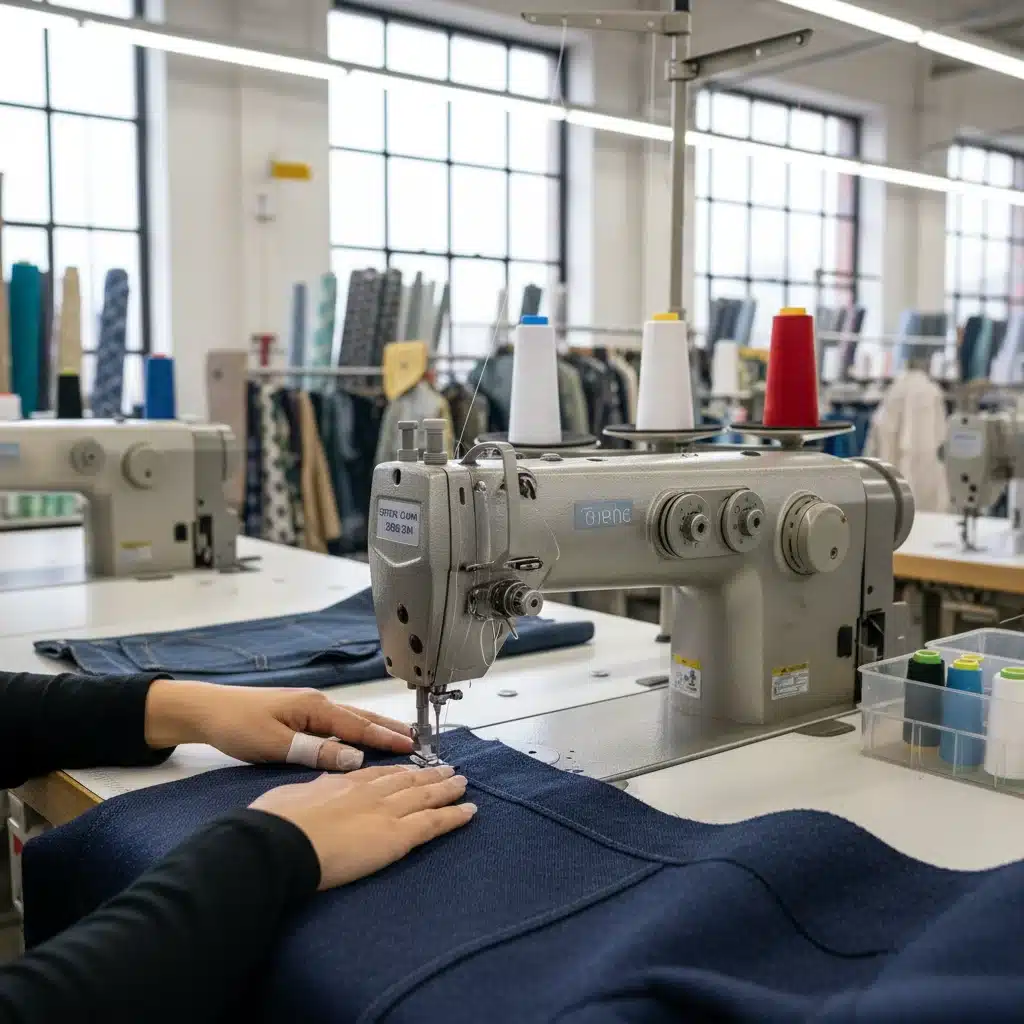
Why they stand out for 2026: American Apparel (or its manufacturing arm and similar large-scale LA-based factories) offers a blend of scale and ethical production. They have the infrastructure to handle larger orders than boutique operations but often maintain a commitment to fair labor practices and sustainability that resonates with modern brands. Their extensive experience with various fabric types and garment constructions makes them versatile. For 2026, their continued focus on domestic production and investment in efficient, modern machinery positions them as a reliable partner for designers looking to scale beyond initial small runs while maintaining a ‘Made in USA’ ethos.
Best for: Knitwear, basics, activewear, larger initial orders (moderate MOQs), and designers prioritizing ethical production at a more scalable volume.
Considerations: While more flexible than some large-scale manufacturers, they might still have higher MOQs than the smallest NYC factories. Communication might be less personalized than with smaller operations.
3. Carolina Textile District (North Carolina)
Overview: North Carolina has a rich history in textile and apparel manufacturing, and the Carolina Textile District represents a resurgence of this industry, focusing on sustainable and innovative production. It’s a network of mills, cut-and-sew operations, and finishing facilities.
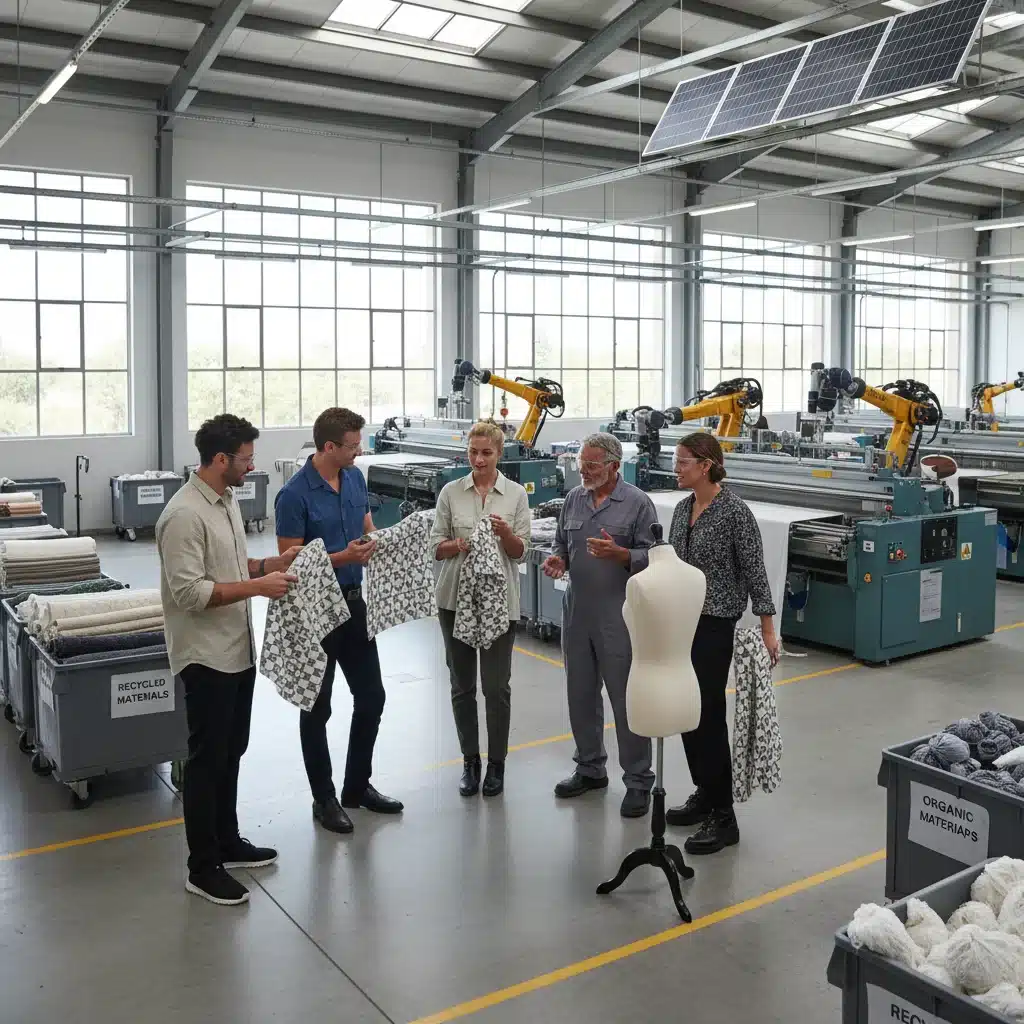
Why they stand out for 2026: The Carolina Textile District is a powerhouse for fabric innovation and sustainable textile production. For designers whose brand identity is deeply rooted in fabric quality, sustainable materials, or specialized textile treatments, this region offers unparalleled expertise. Many facilities here are investing heavily in advanced manufacturing technologies, including automation, digital printing, and water-saving dyeing processes. Their integrated approach, from yarn to finished garment, can streamline the supply chain for designers seeking comprehensive solutions. As demand for sustainable and technically advanced textiles grows, the partners in this district are becoming indispensable.
Best for: Performance wear, sustainable textiles, technical fabrics, knit production, and brands focused on innovative material development.
Considerations: While excellent for textiles, a designer might still need to partner with a cut-and-sew facility elsewhere if the specific garment construction is not a primary focus of a particular mill. MOQs can vary significantly depending on the specific partner within the district.
4. Midwest Garment Manufacturers (Various States, e.g., Michigan, Ohio)
Overview: The Midwest, though less prominent than NYC or LA in public perception, hosts a significant number of highly specialized and often family-owned manufacturing operations. These businesses have quietly sustained the ‘Made in USA’ ethos for decades, often specializing in workwear, uniforms, or specific types of apparel.
Why they stand out for 2026: The Midwest offers a unique proposition: competitive pricing due to lower operational costs, combined with a strong work ethic and deep industry knowledge. Many of these US manufacturing partners are incredibly reliable and have a long-standing commitment to quality. For emerging designers, they can be an excellent option for more straightforward garment constructions, outerwear, or specific product categories where precision and durability are key. As supply chain resilience becomes a priority, these often-overlooked regional manufacturers provide a robust and dependable alternative to coastal hubs, capable of handling consistent production with a personal touch.
Best for: Workwear, outerwear, uniforms, durable goods, consistent quality, and designers looking for cost-effective US production without sacrificing quality.
Considerations: May have less experience with high-fashion, trend-driven garments. Design support and patternmaking services might be less integrated compared to NYC-based partners. Geographic distance might require more remote management.
The Future of US Manufacturing for Emerging Designers
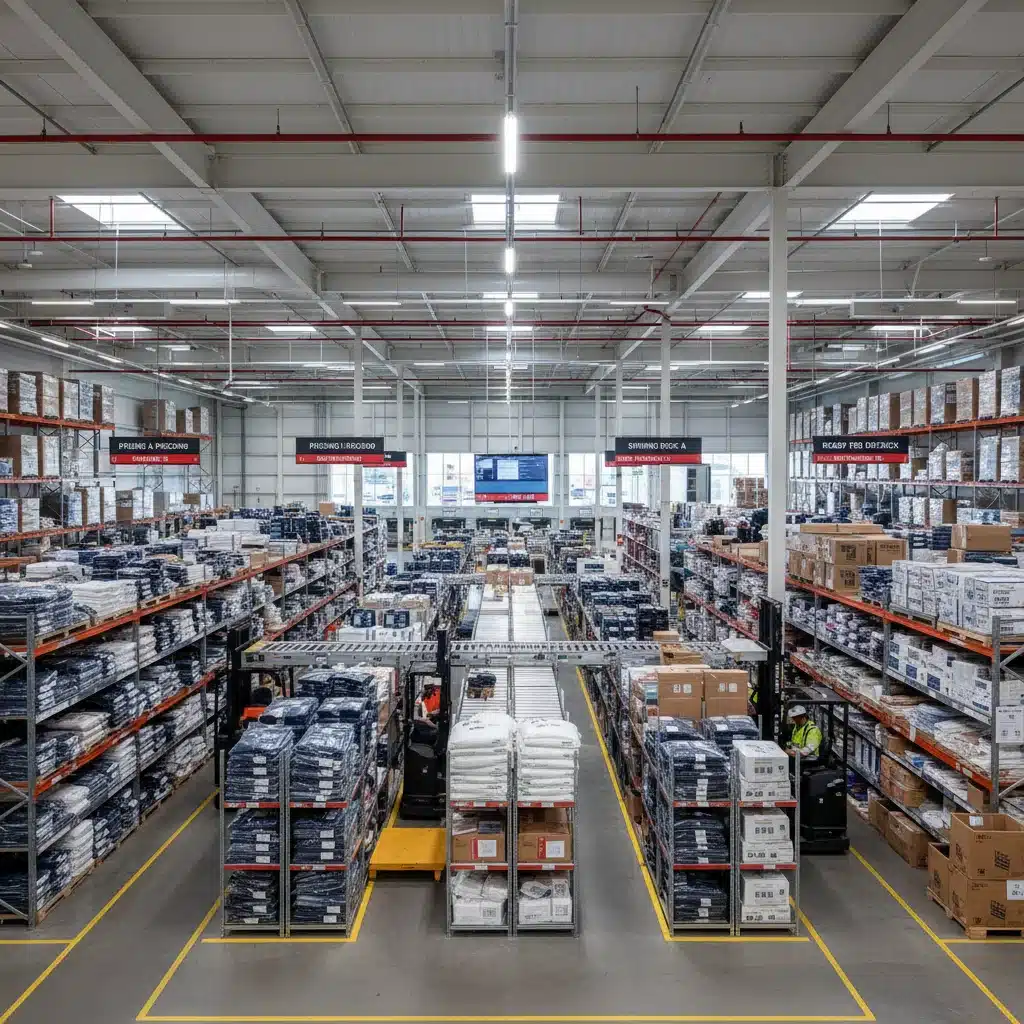
The trend towards reshoring and nearshoring production is not a fleeting one; it’s a strategic shift driven by a complex interplay of economic, ethical, and environmental factors. For emerging designers, this presents an unprecedented opportunity to build brands with integrity, agility, and a strong connection to their production process. The US manufacturing partners highlighted above, along with many others across the country, are adapting and innovating to meet the evolving demands of the fashion industry.
Technological advancements, such as 3D printing, artificial intelligence in design and production, and advanced robotics, are making domestic manufacturing more competitive than ever. These innovations reduce labor costs, increase efficiency, and allow for greater customization and rapid prototyping. Furthermore, the push for circular fashion and reduced carbon footprints makes local production an increasingly attractive option for brands committed to sustainability.
As an emerging designer, your choice of manufacturing partner is a foundational decision that will impact everything from your product quality and brand image to your supply chain resilience and financial viability. By carefully evaluating the options and aligning with partners who share your vision and values, you can set your brand on a path to sustainable success.
Building Strong Relationships with US Manufacturing Partners
Beyond simply selecting a manufacturer, fostering a strong, collaborative relationship is paramount. Treat your US manufacturing partners as an extension of your team. Clear communication, mutual respect, and a willingness to understand their processes and challenges will go a long way. Provide detailed tech packs, clear design specifications, and timely feedback. Be prepared to invest in quality and understand that domestic production, while offering superior benefits, may come at a different price point than overseas alternatives. This investment, however, often pays dividends in reduced risks, higher quality, and a more ethical and sustainable brand story.
Consider starting with small runs to test the waters and build trust. As your brand grows, your manufacturing partners can scale with you, becoming invaluable assets in your journey. Many US factories are keen to work with emerging talent, seeing it as an opportunity to grow together and innovate. Don’s hesitate to ask questions, seek advice, and leverage their expertise. They are often a wealth of knowledge regarding fabric sourcing, production efficiencies, and industry best practices.
Conclusion: Empowering Emerging Designers Through Domestic Partnerships
The year 2026 holds immense promise for emerging designers who are strategic in their manufacturing choices. The resurgence of US manufacturing partners offers a compelling alternative to traditional offshore production, providing advantages in quality, speed, ethics, and sustainability. Whether you’re drawn to the specialized craft of New York’s Garment Center, the scalable ethical production of Los Angeles, the innovative textiles of North Carolina, or the reliable craftsmanship of the Midwest, there’s a US partner ready to help bring your vision to life.
By prioritizing transparency, quality, and a commitment to responsible practices, emerging designers can not only build successful businesses but also contribute to a more sustainable and equitable fashion industry. The journey of an emerging designer is challenging, but with the right US manufacturing partners by your side, the path to establishing a respected and thriving brand becomes significantly clearer and more achievable. Embrace the power of domestic production and unlock the full potential of your creative endeavors.