Fashion Launch 2026: A 6-Month Roadmap for Emerging Designers
Embarking on the journey of launching a fashion collection is an exhilarating yet daunting prospect for any emerging designer. The fashion industry is a dynamic landscape, constantly evolving, and making a memorable debut requires meticulous planning, unwavering dedication, and a strategic approach. For those aspiring to launch their collections in 2026, the time to start planning is now. This comprehensive 6-month fashion launch roadmap is meticulously crafted to guide you through every critical stage, transforming your creative vision into a tangible, market-ready collection.
Our goal is to demystify the process, breaking down the complex journey into manageable, actionable steps. From initial concept development to the grand unveiling, we will cover everything you need to know to ensure a successful and impactful launch. This guide is your essential companion, designed to help you navigate the intricacies of design, production, branding, marketing, and sales, all while keeping your specific launch year in mind. Let’s delve into the detailed plan that will pave your way to becoming a recognized name in the fashion world.
Month 1: Vision, Research, and Concept Development
The foundation of any successful fashion collection lies in a strong, coherent concept. Month 1 is dedicated to solidifying your vision, understanding your target market, and laying the creative groundwork. This initial phase is crucial for defining your brand’s identity and the unique story your collection will tell. A well-defined concept will serve as your guiding star throughout the entire fashion launch roadmap.
Defining Your Brand Identity and Niche
Before sketching a single garment, you must define who you are as a brand. What are your core values? What aesthetic do you champion? Who is your ideal customer? Understanding your brand’s DNA is paramount. Research existing brands, identify gaps in the market, and pinpoint where your unique voice can resonate. Consider your brand’s mission, vision, and the emotional connection you want to forge with your audience. This clarity will inform every subsequent decision, from fabric selection to marketing messaging.
Market Research and Target Audience Identification
Who are you designing for? A deep dive into market research is non-negotiable. Analyze current fashion trends, but also look beyond them to identify emerging styles and consumer behaviors. Understand the demographics, psychographics, and purchasing habits of your target audience. What are their needs, desires, and pain points? Where do they shop? What media do they consume? This knowledge will enable you to create a collection that not only looks good but also genuinely appeals to and serves your desired customer base. Knowing your market intimately is a cornerstone of a successful fashion launch roadmap.
Advertisements
Trend Forecasting and Mood Board Creation
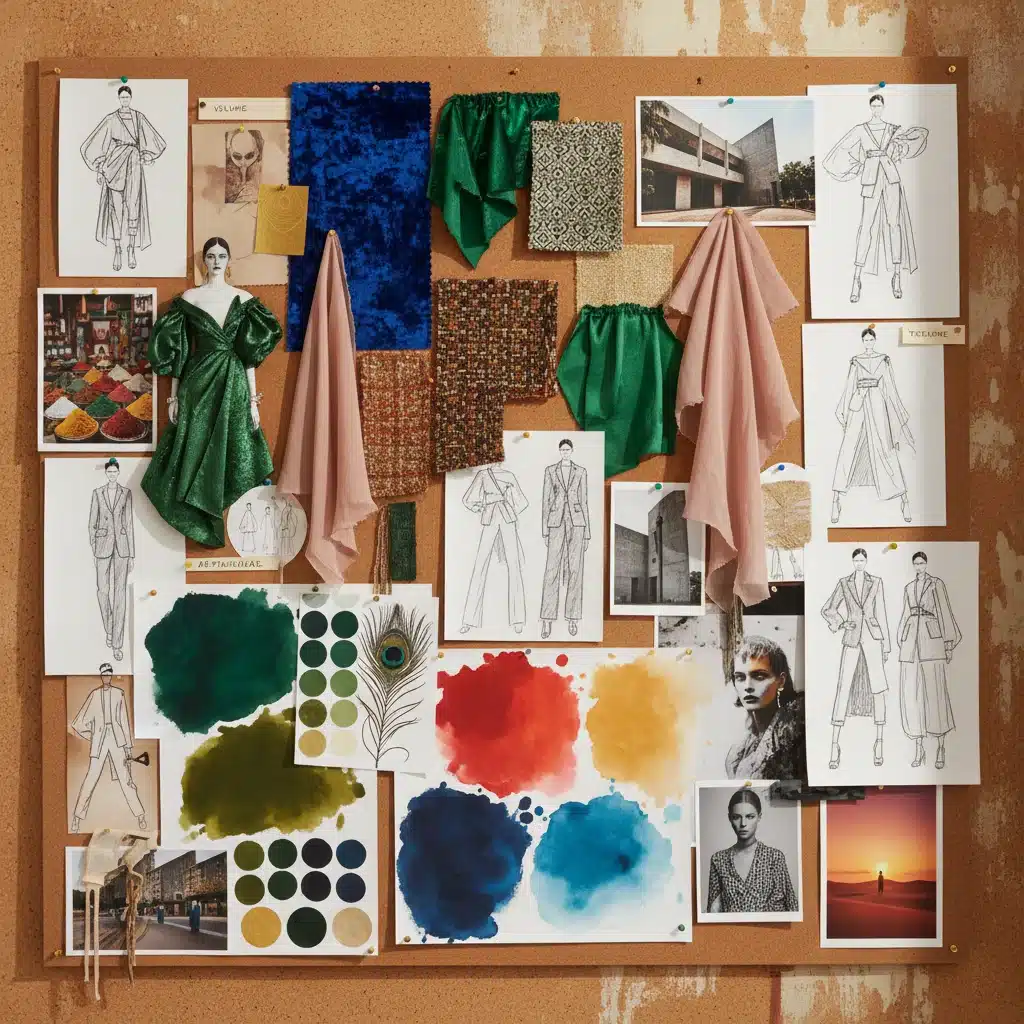
While staying true to your brand’s identity, it’s important to be aware of broader fashion trends. Utilize trend forecasting services, fashion publications, and industry reports to understand upcoming colors, silhouettes, fabrics, and themes for 2026. With your brand identity and market research in hand, begin creating detailed mood boards. These visual collages should encapsulate the aesthetic, mood, and narrative of your collection. Include images, fabric swatches, color palettes, textures, and any other elements that inspire your creative direction. This visual guide will be invaluable throughout the design process.
Initial Sketching and Silhouette Exploration
With your concept and mood boards complete, it’s time to translate ideas into initial sketches. Don’t worry about perfection at this stage; focus on exploring various silhouettes, garment types, and design details. Experiment with different shapes, proportions, and functionalities. This exploratory phase allows for creative freedom and helps you refine your design direction before committing to specific pieces. Keep your target audience and brand aesthetic at the forefront of your mind as you sketch.
Month 2: Design Development and Technical Specifications
Month 2 is about transforming those initial sketches into refined designs and developing the technical specifications necessary for production. This stage demands precision and attention to detail, as these documents will be the blueprint for your manufacturers. This is where the creative vision truly starts to take a concrete form within your fashion launch roadmap.
Refining Designs and Creating Technical Flats
Review your initial sketches and select the strongest designs that align with your collection’s concept. Refine these designs, paying close attention to details, proportions, and functionality. Once the designs are finalized, create technical flats (or fashion flats) for each garment. These are accurate, scaled drawings of the garments as if laid flat, showing all seams, stitching, and design details. Technical flats are essential for communicating your design intent to pattern makers and manufacturers.
Fabric and Trim Sourcing
The choice of fabrics and trims significantly impacts the look, feel, and cost of your collection. Begin sourcing materials that align with your design aesthetic, target price point, and sustainability goals (if applicable). Attend fabric fairs, visit textile suppliers, and request samples. Consider the drape, texture, durability, and care instructions of each fabric. Similarly, source all necessary trims – buttons, zippers, labels, interlinings, etc. – ensuring they complement your designs and meet quality standards. This is a crucial step in the fashion launch roadmap that often dictates the final product’s quality.
Developing Tech Packs (Technical Packages)
Tech packs are comprehensive documents that contain all the information a manufacturer needs to produce your garments. For each design, your tech pack should include: technical flats, detailed construction notes, measurements (specifications), bill of materials (BOM) listing all fabrics and trims, colorways, artwork for prints/embroideries, and labeling instructions. Accuracy in your tech packs is paramount to avoid costly errors and delays in production. This detailed documentation is a non-negotiable part of your fashion launch roadmap.
Costing and Pricing Strategy
As you develop your designs and source materials, begin to estimate production costs. Factor in fabric, trims, labor, shipping, and any other overheads. Based on these costs and your desired profit margins, develop a pricing strategy for your collection. Consider your target market’s purchasing power and the competitive landscape. Your pricing should reflect the quality of your garments, your brand’s positioning, and ensure profitability. A sound pricing strategy is vital for the long-term viability of your brand.
Month 3: Pattern Making and Sampling
Month 3 is where your designs begin to take physical form. This stage involves creating patterns and producing initial samples, allowing you to assess fit, construction, and overall aesthetic before mass production. This iterative process of sampling and feedback is a critical learning curve in your fashion launch roadmap.
Pattern Development
Based on your technical flats and specifications, a pattern maker will create the master patterns for each garment. This involves translating your 2D designs into 3D patterns that can be cut from fabric. Ensure your pattern maker understands your design intent and can create patterns that achieve the desired fit and silhouette. This is a highly specialized skill, and choosing an experienced pattern maker is key.
First Sample (Proto Sample) Production
Once patterns are ready, a proto sample (or first sample) of each garment will be produced. This sample is typically made in a similar fabric to your final material, allowing you to assess the overall look, fit, and construction. Review these samples meticulously. Check for fit issues, construction errors, design discrepancies, and overall aesthetic appeal. Gather feedback from trusted peers or industry mentors.
Fitting and Feedback
Conduct thorough fittings with live models (ideally your target customer’s size and body type) to evaluate the fit, comfort, and movement of each garment. Document all feedback and necessary adjustments. It’s common to go through several rounds of samples and fittings to perfect the design. Don’t rush this stage; precision here will save you significant time and money later in the fashion launch roadmap.
Supplier Selection and Relationship Building
By now, you should be narrowing down your choice of manufacturers for production. Based on the quality of their samples, communication, pricing, and ethical practices, select your primary production partner. Begin building a strong relationship with them, as effective communication is crucial for a smooth production process. Clearly outline your expectations, timelines, and quality standards.
Month 4: Production Planning and Pre-Production
With samples approved, Month 4 shifts focus to preparing for mass production. This involves finalizing all details, placing orders, and ensuring everything is in place for manufacturing to commence. This is a logistical heavy month within your fashion launch roadmap.
Final Sample (Salesman Sample) Approval
After all adjustments from the proto sample stage, a final (or salesman) sample is produced. This sample should be perfect in every detail, reflecting the exact garment that will be mass-produced. This is the sample you will use for photoshoots, showroom presentations, and initial sales efforts. Obtain final approval from all stakeholders, including yourself, before proceeding to bulk production.
Placing Fabric and Trim Orders
With your designs and samples approved, it’s time to place bulk orders for all fabrics, trims, and notions. Ensure you account for potential waste and order slightly more than the exact quantity needed. Confirm lead times with your suppliers and coordinate delivery schedules to align with your production timeline. Delays in material delivery can significantly impact your overall fashion launch roadmap.
Production Scheduling and Quality Control Plan
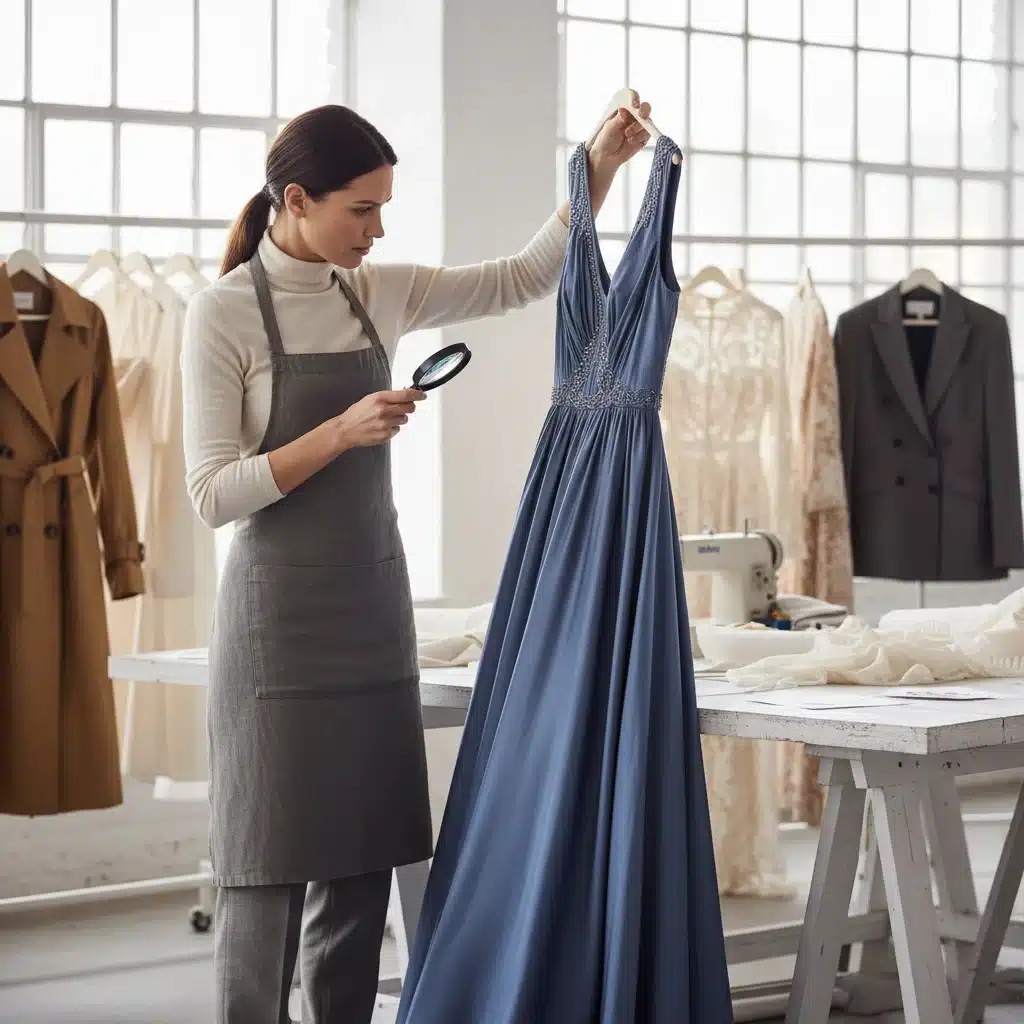
Work closely with your manufacturer to establish a detailed production schedule. This should include timelines for pattern grading, cutting, sewing, finishing, and packaging. Develop a comprehensive quality control plan. This plan should outline inspection points throughout the production process (e.g., fabric inspection, in-line inspection, final inspection) to ensure consistent quality and minimize defects. Proactive quality control is vital.
Photoshoot Planning and Execution
While production is being scheduled, begin planning your collection photoshoot. This is a critical marketing asset. Select a photographer, models, makeup artist, stylist, and location that align with your brand’s aesthetic. Plan the shot list, ensuring you capture hero shots, detail shots, and lifestyle images. High-quality photography is essential for your website, lookbook, and marketing materials. This is a key visual component of your fashion launch roadmap.
Month 5: Marketing, Sales, and Logistics Setup
As production gets underway, Month 5 shifts focus to building anticipation, establishing sales channels, and setting up the logistical framework for distribution. This is where you start actively engaging with your future customers and partners, preparing for the actual fashion launch roadmap.
Building Your Online Presence (Website & E-commerce)
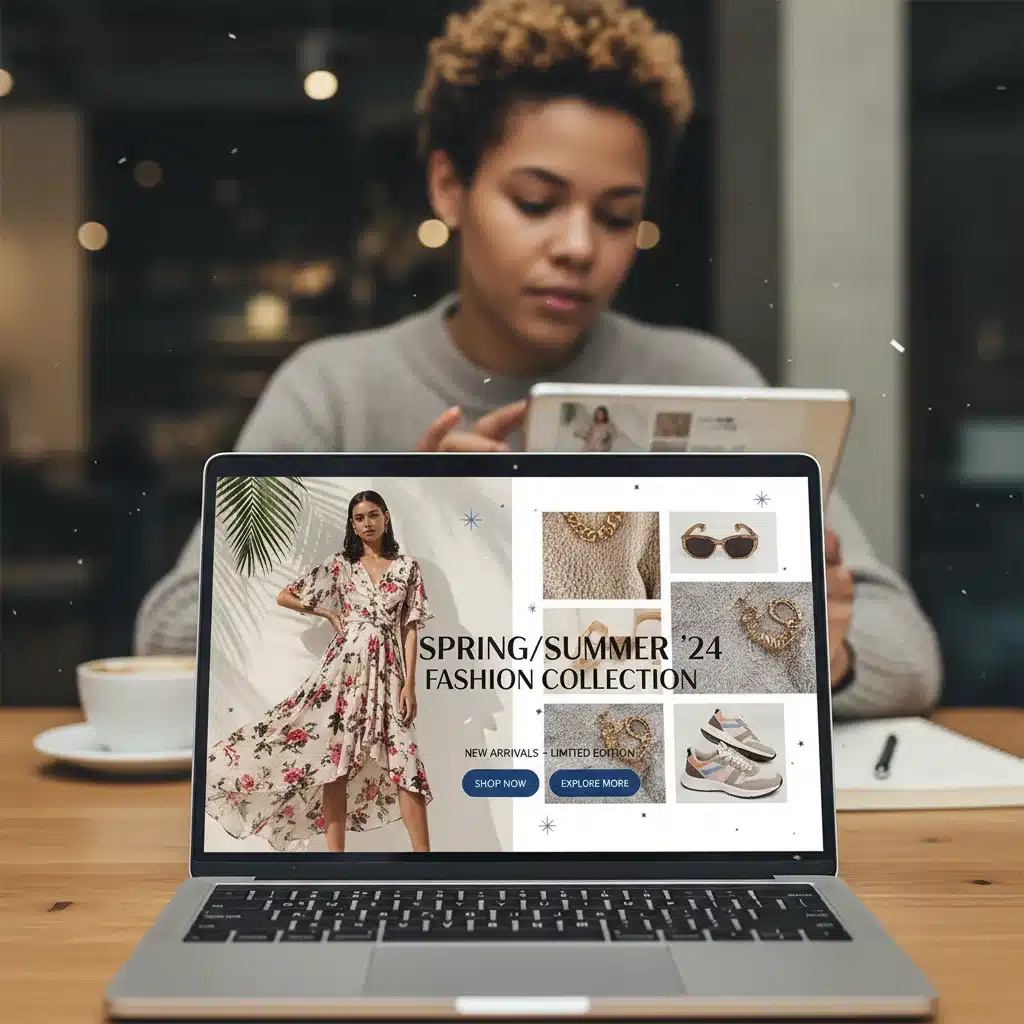
If you haven’t already, develop or refine your e-commerce website. This will be your primary storefront. Ensure it’s visually appealing, user-friendly, mobile-responsive, and optimized for SEO. Integrate secure payment gateways, clear product descriptions, size guides, and high-quality product images from your photoshoot. Your website is a direct reflection of your brand.
Pre-Launch Marketing and PR Strategy
Start building buzz around your upcoming launch. Develop a comprehensive pre-launch marketing and public relations strategy. This could include teaser campaigns on social media, email marketing to early subscribers, collaborations with influencers, and outreach to fashion editors and bloggers. Craft a compelling brand story and press kit to share with media contacts. The goal is to generate excitement and anticipation for your fashion launch roadmap.
Sales Strategy and Channel Development
Determine your sales channels. Will you sell exclusively through your e-commerce site? Are you seeking wholesale accounts with boutiques? Will you participate in pop-up shops or trade shows? Develop a clear sales strategy for each channel. If pursuing wholesale, prepare a line sheet, terms and conditions, and a compelling pitch for potential buyers. Consider pre-orders to gauge demand and secure initial sales.
Logistics and Fulfillment Planning
Plan how you will store, pack, and ship your orders. Will you manage fulfillment in-house, or will you partner with a 3PL (third-party logistics) provider? Research shipping carriers, packaging materials, and return policies. Ensure you have a clear system for inventory management and order processing. Efficient logistics are crucial for customer satisfaction and a smooth fashion launch roadmap.
Month 6: Launch and Post-Launch Management
The final month culminates in your collection launch, but the work doesn’t stop there. Month 6 focuses on the launch event itself, ongoing marketing, sales management, and crucial post-launch analysis and customer engagement. This is the payoff for all your hard work following the fashion launch roadmap.
The Grand Launch Event
Execute your launch strategy. This could be a digital launch on your website, a physical launch event, a fashion show, or a combination. Ensure all marketing efforts culminate in this moment. Send out press releases, launch email campaigns, and drive traffic to your sales channels. Be prepared for a surge in website traffic and customer inquiries. A well-orchestrated launch is vital for making a strong first impression.
Active Marketing and Sales Campaigns
Post-launch, continue your marketing and sales efforts. Run targeted social media ads, send follow-up email campaigns, and actively engage with your audience. Consider promotions or collaborations to sustain momentum. Monitor your sales performance closely and be prepared to adapt your strategies based on initial results. Continuous marketing is key to the long-term success of your fashion launch roadmap.
Customer Service and Feedback Management
Excellent customer service is paramount, especially for a new brand. Be responsive to customer inquiries, feedback, and any issues that arise. Implement a system for managing returns and exchanges efficiently. Actively solicit customer feedback, as it provides invaluable insights for future collections and continuous improvement. Positive customer experiences build brand loyalty.
Inventory Management and Reordering
Monitor your inventory levels carefully. Track which styles and sizes are selling well and which are not. This data will inform future production decisions. If demand is high, be prepared to reorder or re-produce popular items. If certain items aren’t selling, consider promotions or alternative sales channels. Effective inventory management is critical for profitability and avoiding dead stock.
Performance Analysis and Future Planning
After the initial launch period, conduct a thorough performance analysis. Review sales data, website analytics, marketing campaign effectiveness, and customer feedback. What worked well? What could be improved? Use these insights to refine your brand strategy, identify areas for growth, and begin planning for your next collection. The fashion launch roadmap is not a one-time event but a continuous cycle of creation, launch, and improvement.
Conclusion: Your Path to a Successful Fashion Launch 2026
Launching a fashion collection is an incredible undertaking that demands passion, perseverance, and a strategic mind. This 6-month fashion launch roadmap provides a robust framework for emerging designers aiming to make their mark in 2026. By meticulously following these steps – from concept development and technical design to production, marketing, and post-launch management – you can significantly increase your chances of a successful and impactful debut.
Remember that flexibility is key. While this roadmap offers a structured approach, be prepared to adapt to unforeseen challenges and opportunities. The fashion industry is dynamic, and agility is a valuable asset. Embrace the learning process, build strong relationships with your suppliers and customers, and stay true to your unique creative vision. Your journey from concept to collection is a marathon, not a sprint, and with this detailed guide, you are well-equipped to navigate it successfully. We wish you the very best in bringing your extraordinary designs to the world in 2026!