Fashion Law 2026: Essential Legal Checklist for US Design Protection
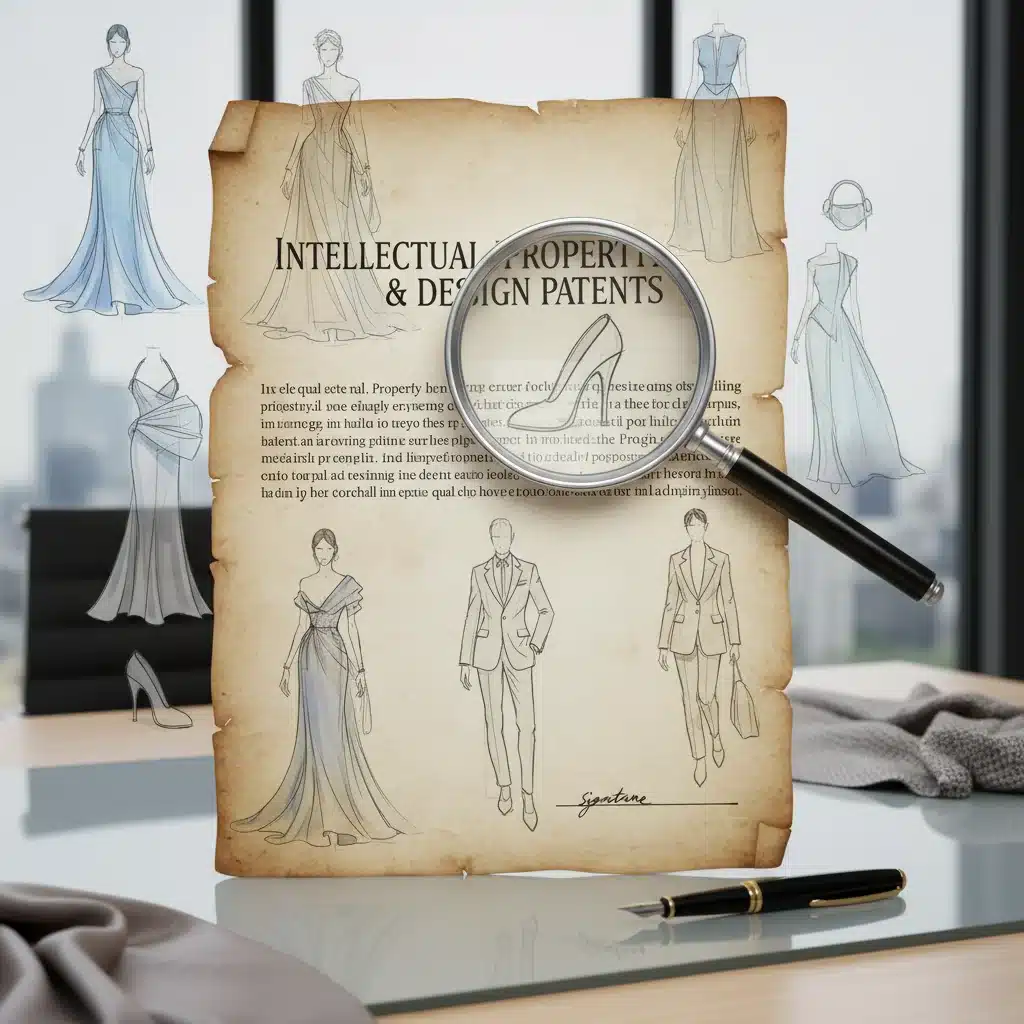
Protecting Your Designs: A 2026 Legal Checklist for Emerging US Fashion Entrepreneurs
The dynamic world of fashion is a whirlwind of creativity, innovation, and fierce competition. For emerging fashion entrepreneurs in the United States, bringing unique designs to life is just the first step. The critical challenge that follows is safeguarding these creative assets from infringement and replication. In an industry where trends evolve at lightning speed and imitation is often seen as flattery (but can be financially devastating), understanding and implementing robust legal protections for your fashion designs is paramount. This comprehensive guide provides a detailed 2026 legal checklist designed specifically for nascent US fashion brands, ensuring your intellectual property is secure from inception to market.
As we navigate further into the mid-2020s, the legal landscape surrounding intellectual property (IP) in fashion continues to evolve. Digitalization, global supply chains, and rapid design cycles demand a proactive and informed approach. This article will delve into the essential legal tools available – copyrights, trademarks, design patents, and contractual agreements – offering practical advice and strategic insights to help you build a resilient legal framework around your brand. Our focus keyword, fashion design protection, will guide us through the intricacies of securing your creative vision.
Understanding the Pillars of Fashion Design Protection
Before diving into the checklist, it’s crucial to grasp the fundamental types of intellectual property that apply to fashion. Each offers distinct protections, and a savvy entrepreneur will often leverage a combination of these to create a comprehensive shield for their brand and designs. Effective fashion design protection is a multi-faceted endeavor.
Advertisements
Copyrights: Protecting Original Artistic Expression
In the realm of fashion, copyright protects original works of authorship fixed in a tangible medium of expression. This primarily applies to the artistic elements of a design, rather than its functional aspects. For instance, a unique print on a fabric, an original illustration on a t-shirt, or a distinctive sculptural element of a garment could be copyrightable. However, the overall shape or cut of a garment, which is considered functional, is generally not eligible for copyright protection.
- What it covers: Original textile prints, graphic designs, unique embroidery patterns, sculptural elements separable from the garment’s utilitarian function, and promotional materials like lookbooks and website content.
- What it doesn’t cover: Basic garment designs (e.g., a simple t-shirt, standard jeans), functional aspects of clothing (e.g., zippers, pockets), or general fashion trends.
- How to secure: Copyright protection arises automatically upon creation. However, registering your copyright with the U.S. Copyright Office offers significant advantages, including the ability to sue for infringement and seek statutory damages and attorney’s fees. This is a critical step for robust fashion design protection.
Trademarks: Protecting Your Brand Identity
Trademarks are essential for distinguishing your brand’s goods and services from those of competitors. In fashion, trademarks protect brand names, logos, slogans, and even unique packaging or product configurations (trade dress) if they serve to identify the source of the goods. A strong trademark builds brand recognition and loyalty, making it a cornerstone of effective fashion design protection.
- What it covers: Your brand name (e.g., “XYZ Couture”), your logo (e.g., a specific emblem or symbol), unique product names, slogans (e.g., “Fashion Forward, Sustainably Minded”), and distinctive store layouts or product packaging if they have acquired secondary meaning.
- What it doesn’t cover: Generic terms, descriptive terms without secondary meaning, or functional aspects of a product.
- How to secure: While common law trademark rights arise from use in commerce, federal registration with the U.S. Patent and Trademark Office (USPTO) provides nationwide rights, public notice of your claim, and the ability to sue in federal court. Conducting a thorough trademark search before adopting a name or logo is crucial to avoid infringement issues down the line.
Design Patents: Protecting Ornamental Design
Design patents protect the ornamental (non-functional) appearance of an article of manufacture. Unlike utility patents which protect how something works, design patents protect how something looks. This can be particularly relevant in fashion for unique silhouettes, shoe designs, handbag shapes, or jewelry designs that are both novel and non-obvious. For comprehensive fashion design protection, design patents can offer a powerful shield.
- What it covers: The unique aesthetic or visual characteristics of a product, such as the shape of a distinctive handbag, the pattern of a shoe sole, or the overall ornamental design of a piece of jewelry.
- What it doesn’t cover: Functional features, the underlying mechanical operation, or mere ideas.
- How to secure: Design patents are granted by the USPTO after a rigorous examination process. The application requires detailed drawings or photographs of the design. They typically last for 15 years from the date of grant.
The 2026 Legal Checklist for Emerging US Fashion Entrepreneurs
Now, let’s break down the actionable steps you need to take to ensure robust fashion design protection for your emerging brand in 2026.
Phase 1: Pre-Design & Concept Development
- Conduct Comprehensive IP Searches: Before finalizing any brand name, logo, or unique design element, perform thorough searches. This includes:
- Trademark Search: Use the USPTO database (TESS) and common law sources (Google, social media, industry directories) to ensure your chosen brand name, logo, and product names are not already in use or confusingly similar to existing marks.
- Design Patent Search: While less common for every garment, if you have a truly novel and ornamental product (e.g., a unique shoe design or accessory), conduct a design patent search through the USPTO database.
- Copyright Search: Less formal, but ensure any prints or graphics you intend to use are original or properly licensed.
- Document Everything: Maintain meticulous records of your design process. Date-stamped sketches, mood boards, digital files, and communication logs can serve as crucial evidence of originality and ownership if disputes arise. This is foundational for proving your claim to fashion design protection.
- Clearance for Third-Party Elements: If your designs incorporate any third-party elements (e.g., licensed artwork, stock photography, specific fabric patterns), ensure you have obtained explicit written licenses or permissions. Understand the scope of these licenses (e.g., duration, geographical limits, usage rights).
Phase 2: Design Creation & Production
- Implement Strong Confidentiality Agreements (NDAs): Before sharing your designs with manufacturers, pattern makers, photographers, or potential collaborators, have them sign robust Non-Disclosure Agreements (NDAs). This protects your proprietary information and design concepts before they are publicly disclosed.
- Secure Copyright Registration for Original Artworks: For unique fabric prints, graphic designs, or sculptural garment elements, file for copyright registration with the U.S. Copyright Office as soon as they are finalized. This strengthens your ability to enforce your rights.
- Consider Design Patent Applications for Unique Products: If you have developed a truly novel and ornamental product design (e.g., a distinctive handbag shape, an innovative shoe silhouette), consult with an IP attorney about filing a design patent application. The application process can be lengthy, so initiate it early. This is a powerful form of fashion design protection.
- Trademark Registration for Brand Elements: File for federal trademark registration with the USPTO for your brand name and logo as soon as you begin using them in commerce (or even with an “intent-to-use” application). This provides nationwide protection and builds your brand equity.
Phase 3: Marketing & Sales
- Implement Website Terms & Conditions and Privacy Policy: Ensure your e-commerce website has comprehensive Terms & Conditions that include clauses regarding your intellectual property rights, acceptable use, and disclaimers. A clear Privacy Policy is also legally required for data collection.
- Monitor for Infringement: Regularly monitor the market, social media, and online marketplaces for unauthorized use of your brand name, logo, or designs. Tools like Google Alerts, social media monitoring services, and specialized IP protection services can be invaluable. Prompt action against infringers is key to maintaining your rights.
- Use Proper IP Markings: Clearly mark your copyrighted works with ©, your registered trademarks with ®, and your unregistered trademarks with ™. For patented designs, use “Patented” or “Patent Pending” followed by the patent number. These markings serve as notice to the public and can deter infringement.
- Educate Your Team and Partners: Ensure everyone involved with your brand – from employees to sales agents – understands the importance of your intellectual property and how to protect it. Establish clear internal policies regarding IP handling.
Phase 4: Ongoing Legal Maintenance & Strategy
- Maintain Trademark Registrations: Trademark registrations require periodic renewal (typically every 5-6 years and then every 10 years) and continued use in commerce. Failure to maintain these can lead to abandonment of your rights.
- Review and Update NDAs and Contracts: Periodically review your legal agreements to ensure they remain current and adequately protect your interests as your business evolves.
- Stay Informed on Legal Changes: Fashion law is dynamic. Keep abreast of changes in copyright, trademark, and patent law that could impact your fashion design protection strategy. Subscribing to legal newsletters or consulting with an IP attorney regularly can help.
- Consider International Protection: If you plan to expand beyond the US, research and pursue international IP protection. Trademarks and patents are territorial, meaning US registrations do not automatically protect you abroad. The Madrid Protocol for trademarks and Hague Agreement for industrial designs can streamline international filings.
Common Pitfalls to Avoid in Fashion Design Protection
Even with the best intentions, emerging entrepreneurs can stumble. Being aware of common mistakes can help you navigate the legal landscape more effectively:
- Failing to Conduct Thorough Searches: Launching a brand name or design without proper clearance can lead to costly rebranding, legal disputes, and injunctions.
- Relying Solely on Copyright for Garment Shapes: Copyright generally doesn’t protect the utilitarian aspects of clothing. Understanding this limitation is crucial to avoid false confidence in your protection.
- Delaying Registration: While some IP rights arise automatically, registration provides stronger enforcement tools and public notice. Procrastination can weaken your position in an infringement case.
- Ignoring NDAs: Sharing innovative designs without confidentiality agreements can lead to your ideas being stolen before you’ve had a chance to protect them.
- Underestimating the Value of Legal Counsel: While legal fees can seem daunting for a startup, investing in experienced intellectual property counsel early on can save significant money and headaches in the long run. They are invaluable for effective fashion design protection.

The Role of an Intellectual Property Attorney
Navigating the complexities of intellectual property law can be overwhelming, especially for new entrepreneurs juggling multiple responsibilities. An experienced intellectual property attorney specializing in fashion law can be an invaluable asset. They can:
- Conduct thorough IP searches and provide clearance opinions.
- Draft and file copyright, trademark, and design patent applications.
- Advise on the best strategies for comprehensive fashion design protection based on your specific business model and designs.
- Draft and review NDAs, licensing agreements, manufacturing contracts, and website terms.
- Represent you in infringement disputes, sending cease and desist letters, or pursuing litigation if necessary.
- Help you develop an international IP strategy as your brand grows.
While DIY approaches might seem cost-effective initially, the potential for costly mistakes or missed opportunities for protection far outweighs the upfront investment in professional legal guidance.
Conclusion: Building a Legally Resilient Fashion Brand
In the fast-paced, highly imitative world of fashion, proactive and strategic fashion design protection is not a luxury; it’s a necessity. For emerging US fashion entrepreneurs in 2026, building a strong legal foundation from the outset is as crucial as creating compelling designs and developing a robust business plan. By diligently following this legal checklist – embracing copyrights, trademarks, and design patents, and implementing solid contractual agreements – you can safeguard your creativity, secure your brand identity, and establish a resilient business capable of thriving in a competitive market.
Remember, your designs are your most valuable assets. Protecting them rigorously ensures that your hard work, innovation, and artistic vision are respected and rewarded. Start implementing these steps today to build a legally sound and successful fashion enterprise for tomorrow.