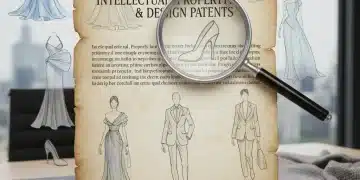
Protecting Your Designs: Essential IP Strategies for Emerging US Designers in 2026

In the vibrant and ever-evolving landscape of American innovation, emerging designers stand at the cusp of groundbreaking creativity. However, the journey from ideation to market success is fraught with potential pitfalls, especially when it comes to safeguarding their unique creations. The year 2026 brings with it new challenges and opportunities in the realm of intellectual property (IP). For any designer looking to make a lasting mark, understanding and implementing robust design intellectual property strategies is not just advisable; it’s absolutely essential.
This comprehensive guide aims to equip emerging US designers with the knowledge and tools necessary to navigate the complex world of IP. We will delve into the nuances of copyrights, trademarks, design patents, and trade secrets, exploring how each plays a vital role in protecting your innovative work. By the end of this article, you will have a clearer roadmap for securing your creative assets and ensuring your vision remains uniquely yours.
The Foundation: Understanding Design Intellectual Property
Before diving into specific protection mechanisms, it’s crucial to grasp the overarching concept of design intellectual property. At its core, IP refers to creations of the mind – inventions, literary and artistic works, designs, and symbols, names, and images used in commerce. For designers, this primarily translates to the aesthetic and functional aspects of their creations. Protecting these aspects ensures that others cannot freely copy, reproduce, or profit from your hard work without permission.
The United States offers several distinct avenues for IP protection, each with its own scope, duration, and requirements. The key is to understand which type of protection best suits a particular aspect of your design. Often, a multi-layered approach, combining different IP rights, offers the most comprehensive safeguard.
Advertisements
Copyrights: Protecting Original Artistic Expression
Copyright protection is perhaps the most immediate form of IP that comes to mind for creative works. It protects original works of authorship fixed in any tangible medium of expression. For designers, this can encompass sketches, illustrations, patterns, architectural plans, graphic designs, website layouts, and even the aesthetic elements of a product that can be separated from its utilitarian function.
What Copyright Protects: Copyright protects the expression of an idea, not the idea itself. For example, if you design a unique textile pattern, the pattern itself is copyrightable, but the general concept of using patterns on textiles is not. The work must be original, meaning independently created by the author, and possess at least a minimal degree of creativity.
Automatic Protection vs. Registration: In the US, copyright protection arises automatically the moment an original work is fixed in a tangible medium. You don’t need to register your work with the U.S. Copyright Office to have copyright. However, registration offers significant advantages:
- It creates a public record of your copyright claim.
- It is a prerequisite for filing an infringement lawsuit in federal court.
- It allows for the recovery of statutory damages and attorney’s fees in successful infringement cases, which can be significantly higher than actual damages.
- It establishes prima facie evidence of the validity of the copyright and the facts stated in the certificate of registration if made before or within five years of publication.
Emerging designers should make it a practice to register their most significant and commercially valuable designs as early as possible. This proactive step can save immense time, effort, and resources should infringement occur.
Trademarks: Branding Your Design Identity
While copyright protects the creative expression, trademarks protect the source identifier of goods or services. For designers, this is crucial for building brand recognition and distinguishing their products from competitors. A trademark can be a word, phrase, logo, symbol, design, or any combination thereof, used to identify and distinguish the source of goods or services of one party from those of others.
Why Trademarks Matter for Designers: Your brand name, logo, or even a distinctive product shape (if it serves as a source identifier) can be protected by a trademark. This prevents competitors from using similar marks that could confuse consumers about the origin of your designs. Imagine the harm if a rival brand used a logo nearly identical to yours – consumers might mistakenly buy their product, believing it to be yours, eroding your brand’s reputation and sales.
Common Law vs. Federal Registration: Like copyrights, trademark rights can arise from use in commerce (common law rights). However, federal registration with the U.S. Patent and Trademark Office (USPTO) provides significantly stronger protection:
- It grants nationwide constructive notice of your claim of ownership, preventing others from claiming ignorance.
- It allows you to file an infringement lawsuit in federal court.
- It provides a basis for recording the registration with U.S. Customs and Border Protection to prevent the importation of infringing foreign goods.
- It allows you to use the ® symbol, a powerful deterrent against infringers.
For emerging designers, choosing a strong, distinctive brand name and logo early on, and then diligently pursuing federal trademark registration, is a cornerstone of effective design intellectual property strategy. Conduct thorough trademark searches before adopting a new mark to avoid potential conflicts.
Design Patents: Protecting Ornamental Features
Design patents are specifically tailored to protect the ornamental design of an article of manufacture. This is where the aesthetic appeal of a product itself becomes a protectable asset, distinct from its functional aspects. Unlike utility patents, which protect how something works, design patents protect how something looks.
What Qualifies for a Design Patent: To be eligible for a design patent, the design must be:
- New: It must not have been publicly known or used by others before your invention.
- Original: It must be the result of your own creative effort.
- Ornamental: Its primary purpose must be aesthetic, not functional. If the design is dictated solely by function, it is not patentable as a design.
- Non-obvious: The design must not be obvious to a person of ordinary skill in the art to which the design pertains.
Examples of design patents include the unique shape of a phone, the pattern on a shoe sole, or the distinctive form of a piece of furniture. For designers creating innovative products with unique visual characteristics, a design patent is an invaluable tool for design intellectual property protection.

The Application Process and Duration
Obtaining a design patent can be a more involved process than copyright or trademark registration, often requiring the assistance of a patent attorney. The application typically includes detailed drawings or photographs of the design, along with a brief description. The USPTO examines the application to ensure it meets all patentability requirements.
A design patent term is 15 years from the date of grant, provided maintenance fees are paid. This offers a significant period of exclusive rights, allowing designers to capitalize on their unique aesthetic innovations without direct competition from copycats.
Trade Secrets: Keeping Your Edge Confidential
While copyrights, trademarks, and design patents offer public protection, trade secrets provide a different kind of safeguard: confidentiality. A trade secret is information, including a formula, pattern, compilation, program, device, method, technique, or process, that derives independent economic value from not being generally known or readily ascertainable by others, and is subject to reasonable efforts to maintain its secrecy.
Relevance for Designers: For designers, trade secrets might include unique manufacturing processes, proprietary material blends, client lists, marketing strategies, or even unreleased design concepts. The key is that the information provides a competitive advantage because it’s not publicly known, and you actively work to keep it secret.
Maintaining Secrecy: Unlike other forms of IP, trade secret protection is perpetual as long as the information remains secret. However, if the secret is discovered through legitimate means (e.g., reverse engineering, independent invention), trade secret protection is lost. To maintain trade secret status, designers must implement reasonable measures, such as:
- Using non-disclosure agreements (NDAs) with employees, contractors, and partners.
- Restricting access to sensitive information.
- Implementing strong cybersecurity measures.
- Marking confidential documents appropriately.
For emerging designers, especially those developing novel materials or production techniques, trade secrets can be a powerful, cost-effective way to protect valuable knowledge that gives them a unique market edge. However, it requires vigilance and a robust internal policy to maintain.
Strategic IP Management for Emerging Designers in 2026
With a foundational understanding of the different types of design intellectual property, the next step is to develop a coherent and proactive IP strategy. For emerging designers, this means integrating IP considerations into every stage of the design and business development process.
1. Conduct Early IP Audits and Searches
Before investing significant resources into a new design or brand, perform preliminary IP searches. This involves checking existing copyrights, trademarks, and patents to ensure your design doesn’t infringe on others’ rights and to identify opportunities for your own protection. Tools like the USPTO’s trademark and patent databases, and the U.S. Copyright Office’s catalog, are excellent starting points. Early searches can prevent costly legal disputes down the line.
2. Document Everything
Maintain meticulous records of your design process, from initial sketches and mood boards to prototypes and final production files. Date and sign these documents. This creates a clear paper trail of your creative journey, which can be invaluable evidence in proving originality and ownership in potential infringement cases. The ‘poor man’s copyright’ (mailing a copy to yourself) is generally not recommended as a substitute for official registration, but detailed documentation is always a good practice.
3. Implement NDAs and Employment Agreements
Whenever you collaborate with others – whether employees, freelancers, manufacturers, or potential investors – ensure that appropriate non-disclosure agreements (NDAs) are in place. Employment agreements should clearly define who owns the IP created during the course of employment, typically vesting ownership with the company. These legal safeguards are critical for protecting your trade secrets and ensuring your IP remains yours.
4. Mark Your Work
Always include appropriate IP notices on your designs and products. For copyrighted works, use the © symbol, the year of first publication, and your name (e.g., © 2026 [Your Name/Company Name]). For federally registered trademarks, use the ® symbol. For unregistered trademarks, use ™ (TM) for goods or ℠ (SM) for services. While these marks don’t create IP rights, they serve as a clear warning to potential infringers.
5. Monitor and Enforce Your Rights
IP protection is not a one-time event; it’s an ongoing process. Regularly monitor the market for potential infringements of your design intellectual property. This can involve setting up alerts for similar brand names, conducting periodic searches for similar designs, or using specialized IP monitoring services. If you discover an infringement, be prepared to act swiftly. This might involve sending cease and desist letters, negotiating licensing agreements, or, if necessary, pursuing legal action. Demonstrating a willingness to enforce your rights is crucial for deterring future infringers.

6. Consider International Protection
For designers with aspirations beyond the US market, understanding international IP protection is vital. While US IP rights generally only apply within the United States, international treaties and agreements, such as the Berne Convention for copyrights, the Madrid Protocol for trademarks, and the Hague Agreement for industrial designs, can simplify the process of seeking protection in multiple countries. Plan your international IP strategy in conjunction with your global business expansion plans.
7. Seek Professional Legal Counsel
While this guide provides a solid overview, the intricacies of IP law are vast and constantly evolving. Engaging with an experienced IP attorney is perhaps the most critical step for any emerging designer. An attorney can help you:
- Conduct thorough IP searches.
- Determine the most appropriate forms of protection for your specific designs.
- Prepare and file applications for copyrights, trademarks, and design patents.
- Advise on trade secret best practices.
- Draft and review licensing agreements and NDAs.
- Represent you in infringement disputes.
Investing in legal counsel early on can prevent significant legal and financial headaches in the future, allowing you to focus on what you do best: designing.
The Future of Design Intellectual Property in 2026 and Beyond
The landscape of design intellectual property is not static. Emerging technologies like AI-generated designs, NFTs, and the metaverse are introducing new complexities and challenges to traditional IP frameworks. Designers in 2026 must remain adaptable and informed about these developments.
- AI and Authorship: As AI tools for designers become more sophisticated in generating designs, questions of authorship and ownership of AI-created works will continue to evolve. Current US copyright law generally requires human authorship, but this area is under active discussion.
- NFTs and Digital Rights: Non-fungible tokens (NFTs) offer new ways to authenticate and transfer ownership of digital assets, including designs. However, owning an NFT does not automatically grant underlying copyright or other IP rights. Designers must be clear in their terms of sale regarding what IP rights are being conveyed with an NFT.
- Metaverse and Virtual Goods: The rise of virtual worlds presents new frontiers for design and commerce. Protecting designs for virtual goods and experiences within the metaverse will require careful consideration of existing IP laws and potentially new legal frameworks.
Staying abreast of these emerging trends, participating in industry discussions, and consulting with IP experts will be crucial for designers to effectively protect their innovations in the digital age.
Conclusion: Empowering Your Creative Journey
For emerging US designers in 2026, the path to success is paved not only with creativity and innovation but also with strategic IP protection. Understanding copyrights, trademarks, design patents, and trade secrets, and proactively integrating them into your business model, forms an impenetrable shield around your unique vision.
By conducting early IP audits, meticulously documenting your work, utilizing legal agreements, properly marking your designs, and diligently enforcing your rights, you empower yourself to thrive in a competitive market. Remember, your designs are more than just aesthetic creations; they are valuable assets that deserve the highest level of protection. Invest in your design intellectual property, and secure your legacy as a true innovator.