Top 5 Sustainable Fashion Picks for Spring 2026: Reducing Your Environmental Footprint by 15%
As the vibrant hues of spring begin to emerge, so too does a renewed sense of purpose and a desire for positive change. In the world of fashion, this translates into a powerful movement towards sustainability. For Spring 2026, the focus is sharper than ever on making conscious choices that benefit both people and the planet. Our goal? To help you reduce your environmental footprint by a remarkable 15% through smart, stylish, and sustainable spring fashion choices.
The fashion industry has long grappled with its significant environmental impact, from vast water consumption and chemical pollution to textile waste and unethical labor practices. However, a new era is dawning, driven by innovative designers, responsible brands, and increasingly aware consumers. This guide will navigate you through the most impactful sustainable spring fashion trends and products that are not just good for the Earth, but also incredibly chic and comfortable.
Choosing sustainable spring fashion isn’t just a trend; it’s a commitment to a better future. Every garment you select, every brand you support, sends a message. By opting for eco-friendly materials, embracing circular fashion principles, and investing in durable, high-quality pieces, you become an active participant in creating a more ethical and environmentally sound industry. Let’s dive into the top 5 sustainable spring fashion picks that will help you achieve that 15% reduction in your environmental impact.
Advertisements
1. Organic Cotton and Linen Staples: The Foundation of Sustainable Spring Fashion
When curating your sustainable spring fashion wardrobe, starting with foundational pieces made from organic cotton and linen is paramount. These natural fibers are not new, but their cultivation and processing methods have seen significant improvements, making them champions of eco-friendly apparel. Organic cotton, unlike conventional cotton, is grown without harmful synthetic pesticides, herbicides, or genetically modified seeds. This drastically reduces water pollution, conserves biodiversity, and protects the health of farmers and surrounding communities. The production of organic cotton also typically requires less water than conventional methods, especially when rain-fed.
Linen, derived from the flax plant, is another superstar in the sustainable spring fashion arena. Flax is a remarkably resilient crop that requires very little water and thrives on poor soil, often needing no irrigation or pesticides. Its entire plant can be used, minimizing waste. Linen fabric itself is incredibly durable, breathable, hypoallergenic, and naturally thermoregulating, making it perfect for the warmer spring months. Its inherent strength means linen garments last longer, reducing the need for frequent replacements and thus minimizing textile waste.
Why They Reduce Your Footprint:
- Reduced Chemical Use: Organic farming eliminates toxic chemicals, protecting ecosystems and human health.
- Lower Water Consumption: Both fibers, especially linen, are less water-intensive than conventional alternatives.
- Biodegradability: As natural fibers, they biodegrade more readily at the end of their life cycle.
- Durability: Long-lasting garments mean less frequent purchasing and less waste.
- Ethical Sourcing: Many brands prioritizing these materials also ensure fair labor practices.
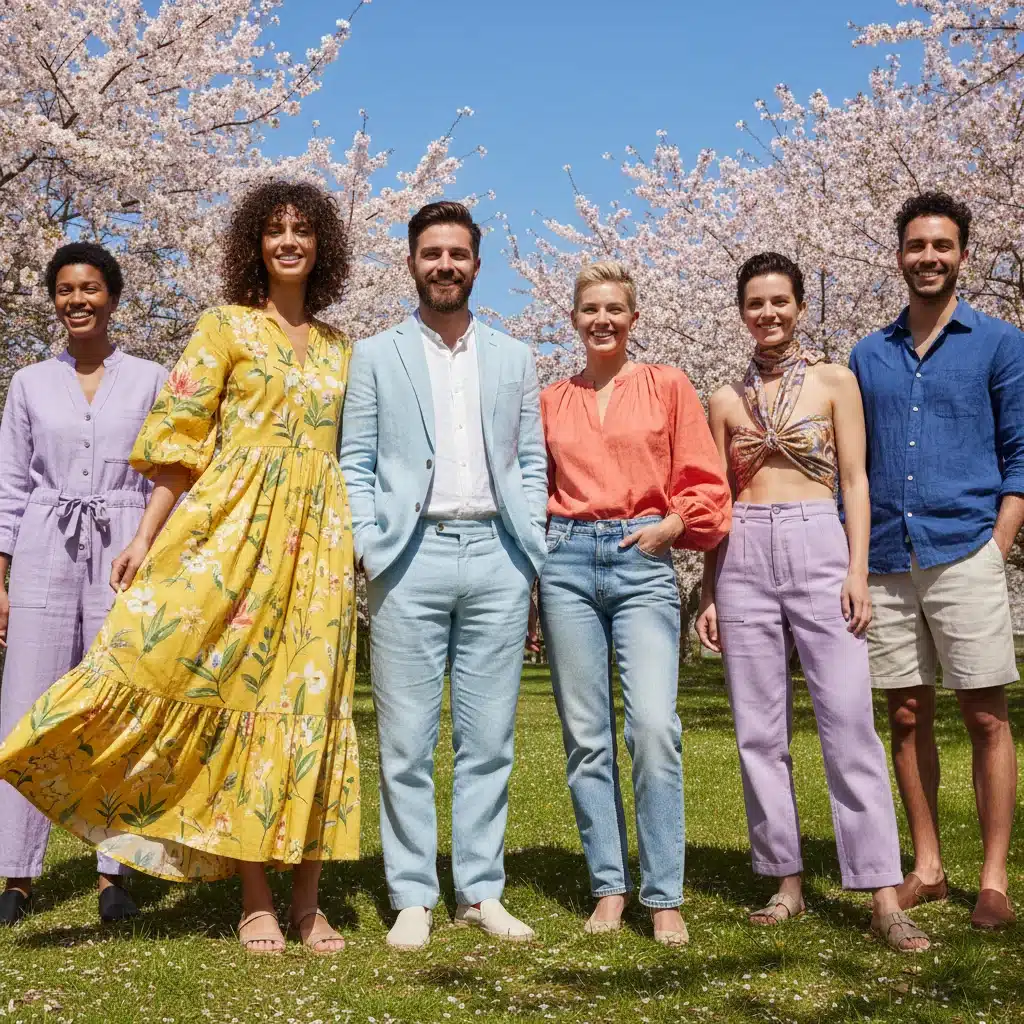
For Spring 2026, look for flowing organic cotton dresses, crisp linen shirts, breathable cotton-linen blend trousers, and versatile basic tees. These pieces form the backbone of a sustainable spring fashion wardrobe, offering endless styling possibilities while treading lightly on the planet. Invest in high-quality items from certified organic brands to ensure genuine sustainability claims.
2. Innovative Plant-Based Leathers and Vegan Alternatives: Cruelty-Free Chic
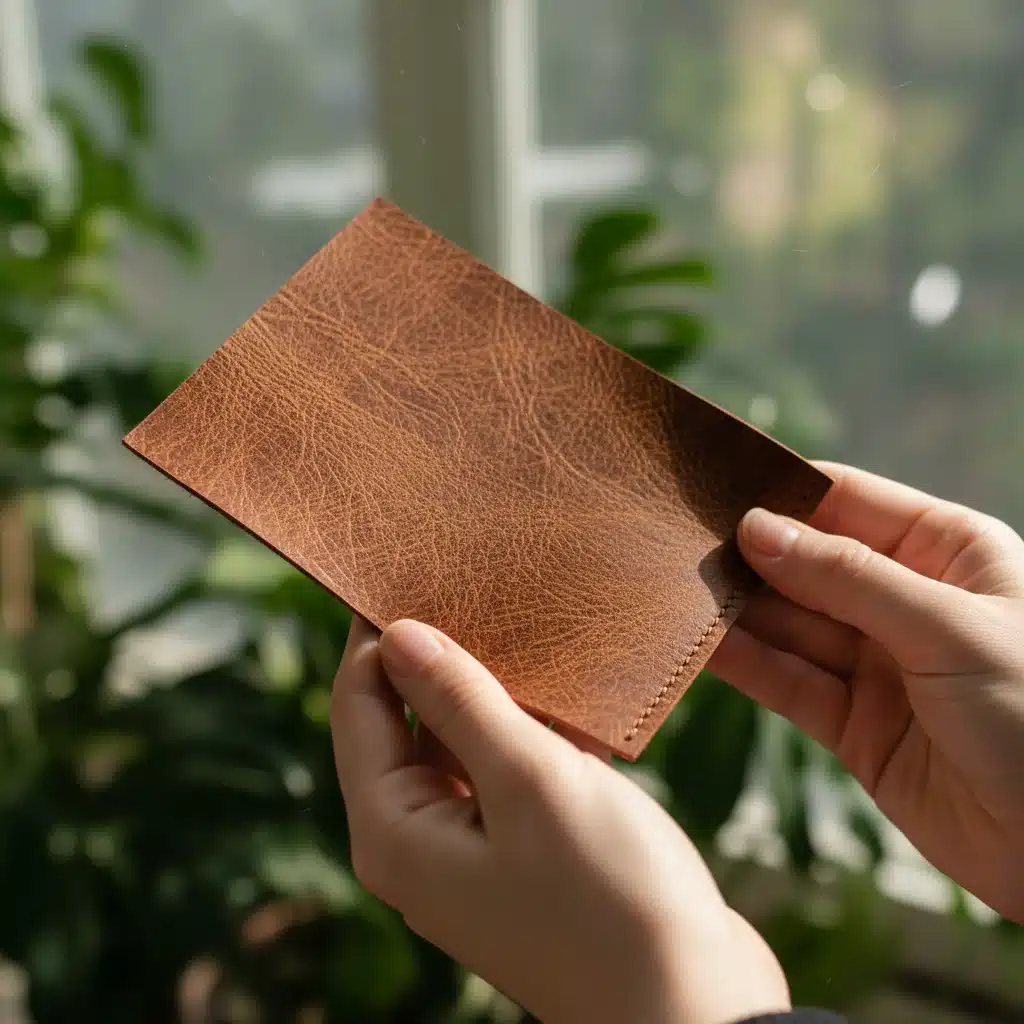
The demand for ethical and sustainable alternatives to traditional animal leather has led to an explosion of innovation in plant-based and vegan materials. For Spring 2026, these innovative alternatives are not just eco-friendly; they are incredibly stylish and durable, making them a top sustainable spring fashion pick. Gone are the days of flimsy, plastic-feeling synthetic leathers. Today’s vegan options are sophisticated and high-performing.
We’re talking about materials derived from pineapple leaves (Piñatex), mushroom mycelium (Mylo), apple peels, cactus, and even grape waste from winemaking. These materials offer a significantly lower environmental footprint compared to conventional leather, which is associated with deforestation, high water usage, greenhouse gas emissions from livestock, and toxic tanning processes. Plant-based leathers often require fewer resources, are biodegradable in many cases, and completely bypass animal cruelty.
Emerging Materials to Watch:
- Piñatex: Made from cellulose fibers extracted from pineapple leaves, a byproduct of pineapple harvest.
- Mylo: Created from the root structure of mushrooms, offering a remarkably similar feel and drape to animal leather.
- Cactus Leather: Durable, soft, and breathable, derived from Nopal cactus.
- Apple Leather: Utilizes waste from the apple juice industry to create a leather-like material.
These materials are perfect for accessories like handbags, belts, and shoes, but are also increasingly being used in outerwear and even apparel. Opting for a stylish vegan leather jacket or a chic plant-based handbag can significantly reduce your environmental impact, contributing to that 15% reduction target for sustainable spring fashion. Always look for certifications and transparency from brands regarding the origin and composition of their vegan leather alternatives.
3. Recycled and Upcycled Denim: Giving Jeans a Second Life
Denim production is notoriously resource-intensive, requiring vast amounts of water and often using harsh chemicals for dyeing and finishing. This makes recycled and upcycled denim a crucial sustainable spring fashion choice for Spring 2026. Instead of contributing to the demand for new, virgin denim, choosing recycled options gives existing materials a new lease on life, drastically cutting down on environmental impact.
Recycled denim involves taking post-consumer or post-industrial denim waste, breaking it down into fibers, and then spinning it into new yarn to create fresh fabric. This process saves water, energy, and reduces landfill waste. Upcycled denim, on the other hand, involves transforming existing denim garments into new, unique pieces without breaking down the fibers. This could be anything from patchwork jeans to denim jackets reimagined with new embellishments or cuts.
The Environmental Benefits:
- Water Conservation: Significantly reduces the astronomical water footprint associated with new denim production.
- Waste Reduction: Diverts textile waste from landfills, giving materials a second chance.
- Energy Savings: Requires less energy compared to producing denim from virgin cotton.
- Reduced Chemical Use: Lessens the need for new dyes and finishing chemicals.
For Spring 2026, look for jeans, jackets, skirts, and even accessories made from recycled or upcycled denim. Many brands are now offering stylish collections that prove sustainability doesn’t mean compromising on aesthetics. Embrace the unique character of upcycled pieces or the consistent quality of recycled denim to make a significant step towards a more sustainable spring fashion wardrobe and contribute to your 15% footprint reduction goal.
4. Tencel™ Lyocell and Modal: Silky Soft and Eco-Conscious
Tencel™ Lyocell and Tencel™ Modal are branded lyocell and modal fibers from Lenzing AG, and they represent a significant advancement in sustainable textile technology. These semi-synthetic fibers are derived from sustainably sourced wood pulp, typically eucalyptus for Lyocell and beechwood for Modal. What makes them standout sustainable spring fashion choices for 2026 is their closed-loop production process.
In the Tencel™ Lyocell production process, solvents used to dissolve the wood pulp are recovered and reused at a rate of over 99%, minimizing waste and emissions. Tencel™ Modal also uses an environmentally responsible production process. Both fibers are known for their exceptional softness, breathability, excellent drape, and moisture-wicking properties, making them ideal for comfortable and elegant spring wear.
Key Sustainable Advantages:
- Sustainable Sourcing: Wood pulp comes from sustainably managed forests.
- Closed-Loop Production: High recovery and reuse of solvents and water.
- Biodegradability: The fibers are naturally biodegradable and compostable.
- Low Water Footprint: Compared to conventional cotton, Tencel™ fibers require significantly less water.
- Comfort and Performance: Offer superior comfort, breathability, and durability, extending garment life.
For Spring 2026, look for blouses, dresses, loungewear, and even activewear made from Tencel™ Lyocell or Modal. Their luxurious feel and impressive environmental credentials make them a smart choice for anyone looking to elevate their sustainable spring fashion game and make a tangible difference in their environmental impact. These fabrics are versatile and can be found in a range of styles, from casual everyday wear to more sophisticated evening attire.
5. Embracing Circular Fashion Practices: Repair, Rent, Resell, and Swap
Beyond choosing sustainable materials, adopting circular fashion practices is perhaps the most impactful way to reduce your environmental footprint by 15% or more. Circular fashion challenges the traditional linear ‘take-make-dispose’ model, advocating for a system where clothing is kept in use for as long as possible, and then regenerated. This holistic approach is a cornerstone of sustainable spring fashion for 2026 and beyond.
Key Circular Fashion Strategies:
- Repair and Mend: Instead of discarding a garment with a minor flaw, learn basic mending skills or take it to a professional tailor. Extending the life of your clothes is incredibly sustainable.
- Rent or Borrow: For special occasions or items you’ll wear infrequently, consider renting. This reduces the need for new production and allows you to enjoy variety without ownership.
- Resell and Donate: Give your unwanted clothes a second life by selling them on consignment, online marketplaces, or donating them to reputable charities. This keeps textiles out of landfills.
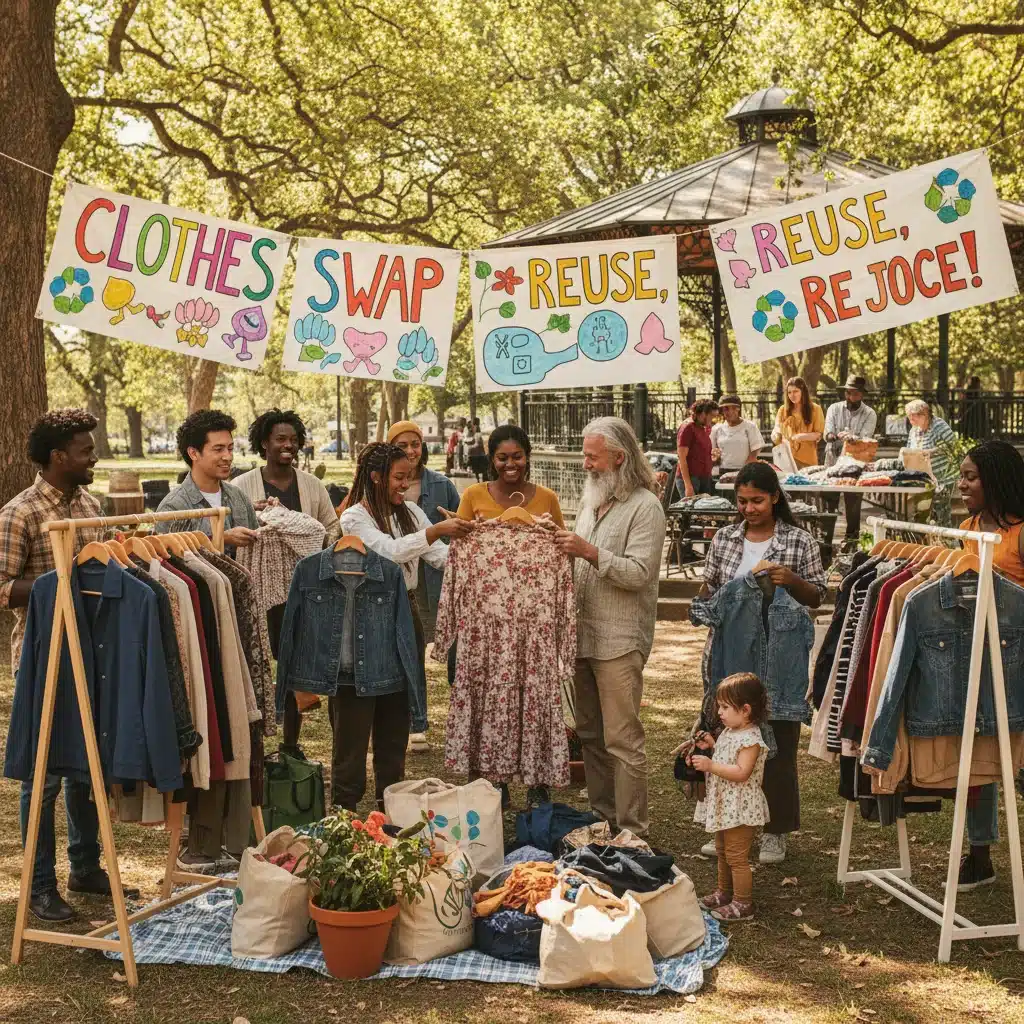
- Clothing Swaps: Organize or participate in clothing swap events with friends or your community. It’s a fun, free, and eco-friendly way to refresh your wardrobe.
- Invest in Quality: Choose durable, well-made garments that are designed to last. Fast fashion’s low prices often come at the cost of quality and ethical production.
By integrating these practices into your sustainable spring fashion routine, you’re not just buying eco-friendly clothes; you’re fundamentally changing your relationship with fashion. This shift in mindset is powerful and collectively contributes significantly to reducing the fashion industry’s overall footprint. Imagine the impact if everyone committed to wearing their clothes 20% longer – the environmental savings would be immense.
Measuring Your Impact: How Your Choices Add Up
Achieving a 15% reduction in your environmental footprint through sustainable spring fashion might seem ambitious, but it’s entirely achievable when you combine the strategies outlined above. Let’s break down how your choices contribute:
- Choosing Organic Cotton/Linen: Switching just 3-4 key items (e.g., a dress, a shirt, a pair of trousers) from conventional to organic/linen can save hundreds of liters of water and eliminate pesticide use.
- Opting for Plant-Based Leathers: Replacing one traditional leather handbag or pair of shoes with a plant-based alternative significantly reduces the impact associated with animal agriculture and toxic tanning.
- Embracing Recycled/Upcycled Denim: Buying one pair of recycled jeans instead of new ones can save thousands of liters of water and reduce waste.
- Selecting Tencel™ Fibers: Choosing a Tencel™ blouse or dress over a conventional synthetic one reduces water and chemical usage in production.
- Practicing Circularity: Repairing one item instead of replacing it, participating in a clothing swap for a few pieces, or reselling garments can extend their lifespan by years, dramatically cutting down on new production demands.
Individually, each choice makes a difference, but collectively, they create a powerful wave of change. The 15% reduction target is a conservative estimate of what can be achieved by consciously integrating these sustainable spring fashion practices into your lifestyle. It’s about thoughtful consumption, valuing quality over quantity, and demanding transparency from brands.
Beyond the Top 5: Further Steps for Sustainable Spring Fashion
While our top 5 picks provide an excellent starting point for your sustainable spring fashion journey, there are always more ways to deepen your commitment to eco-conscious dressing. Consider these additional steps to further reduce your environmental footprint:
Educate Yourself on Certifications:
Look for certifications like GOTS (Global Organic Textile Standard) for organic fibers, Fair Trade for ethical labor, Oeko-Tex Standard 100 for absence of harmful substances, and B Corp certification for overall social and environmental performance. These certifications provide assurance that brands are meeting rigorous sustainability and ethical standards.
Support Local and Small Brands:
Often, smaller, independent brands have more transparent supply chains and a deeper commitment to sustainable practices. Buying locally also reduces the carbon footprint associated with transportation.
Minimize Microplastic Pollution:
If you own synthetic garments (like polyester or nylon), wash them in a Guppyfriend Washing Bag or use a Cora Ball to capture microplastic fibers before they enter waterways.
Care for Your Clothes Properly:
Follow washing instructions carefully. Wash clothes less frequently, use cold water, and air dry whenever possible. Proper care extends garment life and reduces energy consumption.
Question Your Purchases:
Before buying a new item, ask yourself: Do I really need this? Can I find a similar item second-hand? Will this item last? Is it versatile enough to be worn multiple ways?
By integrating these practices, your sustainable spring fashion choices extend beyond just what you buy, influencing your entire consumption pattern and contributing to a more circular economy.
The Future of Sustainable Spring Fashion: What to Expect
The landscape of sustainable fashion is constantly evolving, driven by technological advancements and increasing consumer awareness. For Spring 2026 and beyond, we can anticipate even more exciting developments:
- Advanced Textile Recycling: New technologies are emerging that can efficiently recycle blended fabrics, which currently pose a significant challenge. This will dramatically increase the amount of textile waste that can be reused.
- Bio-Engineered Materials: Expect to see more lab-grown materials that mimic natural fibers or create entirely new ones with superior sustainable properties, potentially grown from yeast or bacteria.
- Hyper-Transparency: Blockchain technology and advanced data tracking will allow consumers to trace the entire journey of their garments, from raw material to finished product, ensuring ethical and sustainable practices at every step.
- Personalized and On-Demand Production: To minimize waste, more brands may shift towards made-to-order models or utilize 3D printing for custom garments, reducing overproduction.
These innovations promise an even brighter future for sustainable spring fashion, making it easier and more accessible for everyone to make environmentally responsible choices. Your commitment now helps to accelerate these developments.
Conclusion: Your Role in a Greener Spring 2026
Embracing sustainable spring fashion for 2026 is a powerful way to express your values and contribute to a healthier planet. By focusing on organic cotton and linen, innovative plant-based leathers, recycled denim, Tencel™ fibers, and circular fashion practices, you can confidently reduce your environmental footprint by 15%.
Every decision, no matter how small, adds up. From choosing a dress made of organic cotton to repairing a beloved pair of jeans, you are part of a growing movement towards a more ethical and sustainable fashion industry. Let this Spring 2026 be the season you redefine your style with purpose, proving that fashion can indeed be a force for good. Step out in confidence, knowing your choices are making a tangible difference for the environment and future generations. Sustainable spring fashion is not just about what you wear; it’s about the positive impact you create.