Mastering Fall Layering: 6 Essential Techniques for 2026 Fashion
As the crisp air of autumn begins to sweep across the landscape, bringing with it a symphony of changing leaves and cozy evenings, our wardrobes naturally shift gears. Fall fashion isn’t just about looking good; it’s about strategic dressing that balances warmth, comfort, and undeniable style. And at the heart of every successful autumn ensemble lies the art of layering. For Fall 2026, mastering fall layering techniques is more important than ever, blending practicality with the latest trends to create looks that are both functional and effortlessly chic.
Layering is often perceived as complex, a delicate balance between adding warmth and avoiding bulk. However, with the right approach, it transforms from a challenge into an exciting opportunity for self-expression. This guide will walk you through six essential fall layering techniques that will not only keep you perfectly comfortable as temperatures fluctuate but also elevate your style quotient. From foundational pieces to statement outerwear, we’ll explore how to build cohesive and captivating outfits that are ready for anything the autumn weather throws your way.
Whether you’re a seasoned fashionista or just beginning to explore the depths of your wardrobe, these techniques will provide the framework you need to create versatile, stylish, and comfortable fall looks. Get ready to embrace the season with confidence and flair, knowing you’ve mastered the ultimate skill in autumn dressing: the art of layering.
Advertisements
1. The Thin-to-Thick Principle: Building a Solid Foundation
The first and perhaps most crucial of all fall layering techniques is the thin-to-thick principle. This method involves starting with your thinnest, most form-fitting garments closest to your body and gradually adding thicker, looser layers on top. Think of it as building your outfit from the inside out, much like constructing a house. The base layer should be breathable and comfortable, often made from materials like silk, merino wool, or a thin cotton blend. These fabrics are excellent at regulating body temperature without adding unnecessary bulk.
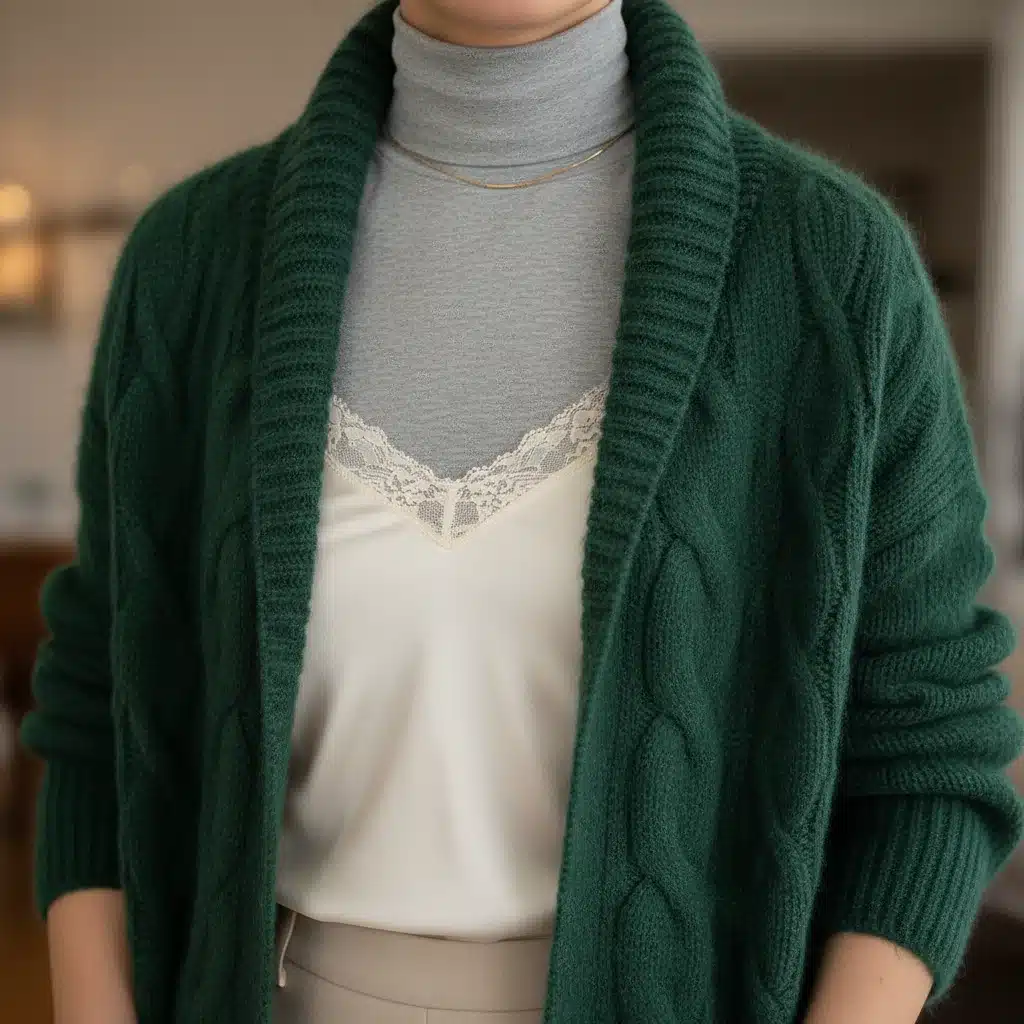
For example, a thin long-sleeved tee or a delicate camisole can serve as your initial layer. On top of this, you might introduce a fine-gauge knit sweater, a flannel shirt, or a lightweight turtleneck. The key here is that each subsequent layer should be slightly larger than the one beneath it, allowing for comfortable movement and preventing your outfit from feeling restrictive. This methodical approach ensures that you can easily add or shed layers throughout the day as the temperature changes, maintaining optimal comfort without sacrificing style.
Beyond comfort, the thin-to-thick principle also contributes significantly to the visual appeal of your layered look. It creates a streamlined silhouette, preventing that ‘stuffed’ appearance that can sometimes accompany heavy layering. When done correctly, each layer peeks out just enough to add depth and interest, showcasing the thoughtful construction of your ensemble. This technique is fundamental for anyone looking to master fall layering techniques effectively.
Consider the fabric choices carefully. Natural fibers often perform best for base layers due to their breathability and moisture-wicking properties. As you move to mid-layers, you can introduce more texture and weight, such as cashmere, fine wool, or even a soft corduroy. The goal is to build warmth efficiently while maintaining a sense of lightness and fluidity in your movement. This strategic selection of fabrics is a cornerstone of effective fall layering techniques.
Ultimately, the thin-to-thick principle is about creating a harmonious flow in your outfit. It’s not just about adding clothes; it’s about creating a system that works with your body and the environment. By adhering to this foundational rule, you set yourself up for layering success, ensuring that your fall wardrobe is both practical and impeccably stylish. This technique is a non-negotiable for anyone serious about elevating their autumn fashion game.
2. Playing with Textures: Adding Depth and Interest
Once you’ve mastered the structural aspect of layering with the thin-to-thick principle, it’s time to delve into the aesthetic dimension: playing with textures. This is where your outfit truly comes alive, moving beyond mere functionality to become a visual and tactile delight. Incorporating a variety of textures is one of the most impactful fall layering techniques for adding depth, dimension, and a sophisticated edge to your look.
Imagine combining the smooth sheen of silk with the cozy softness of cashmere, the rugged appeal of denim with the sleekness of leather, or the warmth of chunky wool with the delicate drape of chiffon. Each texture brings its own unique character to the ensemble, creating a dynamic interplay that catches the eye. Without textural variation, a layered outfit can fall flat, appearing monotonous despite its multiple components. With it, you create a rich, multi-faceted look that is inherently interesting.
When selecting pieces for textural contrast, think about the tactile experience as much as the visual. A chunky knit sweater over a crisp cotton shirt, topped with a smooth wool blazer, offers a beautiful range of sensations and appearances. Don’t be afraid to mix and match. For Fall 2026, we’re seeing a strong trend towards unexpected textural pairings, encouraging bolder experimentation. Consider combining faux fur with fine knits, or corduroy with satin for a truly modern twist on fall layering techniques.
Accessorizing also plays a crucial role in introducing texture. A thick knit scarf, a leather belt, or suede boots can instantly elevate a simple layered outfit. These elements are not just functional; they are integral to building a visually rich and engaging look. The juxtaposition of soft and hard, matte and shiny, rough and smooth, is what makes a layered outfit feel complete and thoughtfully constructed.
The beauty of experimenting with textures is that it allows for endless creativity within your existing wardrobe. You might discover new combinations by simply looking at your garments through a textural lens. This technique encourages you to move beyond color matching and think about how different materials interact, transforming everyday pieces into extraordinary ensembles. Embracing textural play is a hallmark of truly advanced fall layering techniques.
3. Strategic Use of Color and Pattern: Cohesion and Pop
Beyond structure and texture, color and pattern are powerful tools in your fall layering techniques arsenal. While a monochromatic layered look can be incredibly chic, strategically introducing color and pattern can add personality, create focal points, and tie an entire outfit together. The key is balance and intentionality.
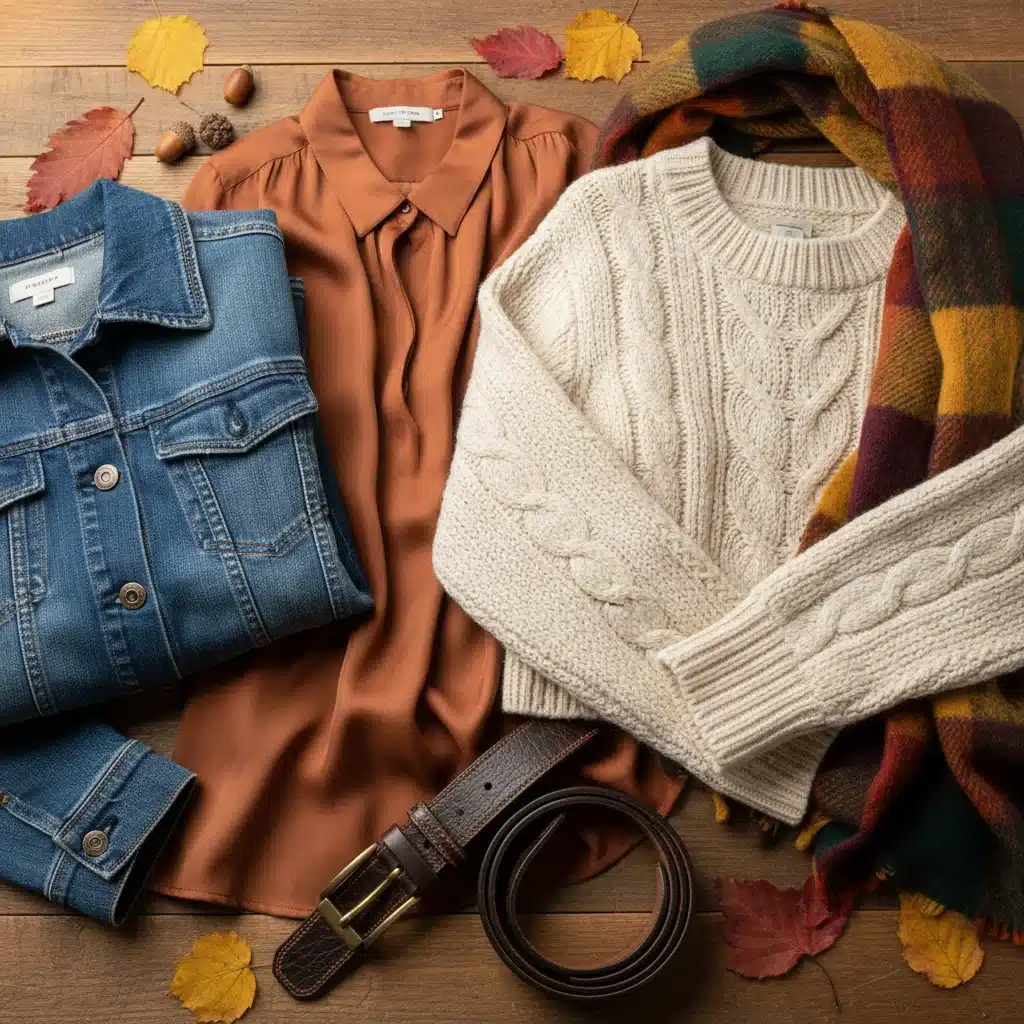
One effective strategy is to build a base with neutral colors (blacks, grays, whites, creams, navies, camels) and then introduce a pop of color or a subtle pattern with one of your layers. For instance, a vibrant scarf over a neutral sweater and coat, or a plaid shirt peeking out from under a solid-colored vest, can instantly elevate the entire look. This approach allows you to experiment with bolder hues or prints without overwhelming the outfit.
Alternatively, you can opt for a cohesive color palette, using different shades and tones of the same color family across your layers. This creates a sophisticated, harmonious effect that is both understated and impactful. Think varying shades of olive green, deep burgundy, or earthy browns. This monochromatic or analogous color scheme is a refined way to apply fall layering techniques.
When incorporating patterns, consider their scale and how they interact with other elements. A small, subtle pattern can be layered under a larger, more prominent one, or a single patterned piece can be the star of an otherwise solid-colored ensemble. Avoid combining too many clashing patterns, as this can make the outfit look busy and uncoordinated. For Fall 2026, classic patterns like plaid, houndstooth, and subtle stripes remain strong, offering timeless ways to add visual interest.
Don’t forget the power of accessories in this regard. A patterned belt, a brightly colored handbag, or even patterned socks can serve as the perfect finishing touch, adding that final layer of visual interest. The strategic use of color and pattern is not just about aesthetics; it’s about telling a story with your clothing, creating a mood, and expressing your individual style. Mastering this aspect of fall layering techniques allows for incredible versatility and creativity in your autumn wardrobe.
4. The Art of the ‘Third Piece’: Elevating Your Outfit
The ‘third piece’ rule is a golden nugget among fall layering techniques, instantly transforming a good outfit into a great one. It refers to adding one extra item that isn’t strictly necessary for warmth but significantly enhances the overall aesthetic. This could be a jacket, a vest, a blazer, a cardigan, or even a statement scarf. The third piece acts as a finishing touch, pulling the entire look together and adding an extra layer of polish and intention.
Think about a simple outfit: jeans and a t-shirt. It’s functional, but often lacks visual interest. Now, add a denim jacket, a tailored blazer, or a long, flowing cardigan. Suddenly, the outfit feels complete, more stylish, and thoughtfully put together. The third piece breaks up the silhouette, adds another dimension of texture or color, and often creates a more flattering line.
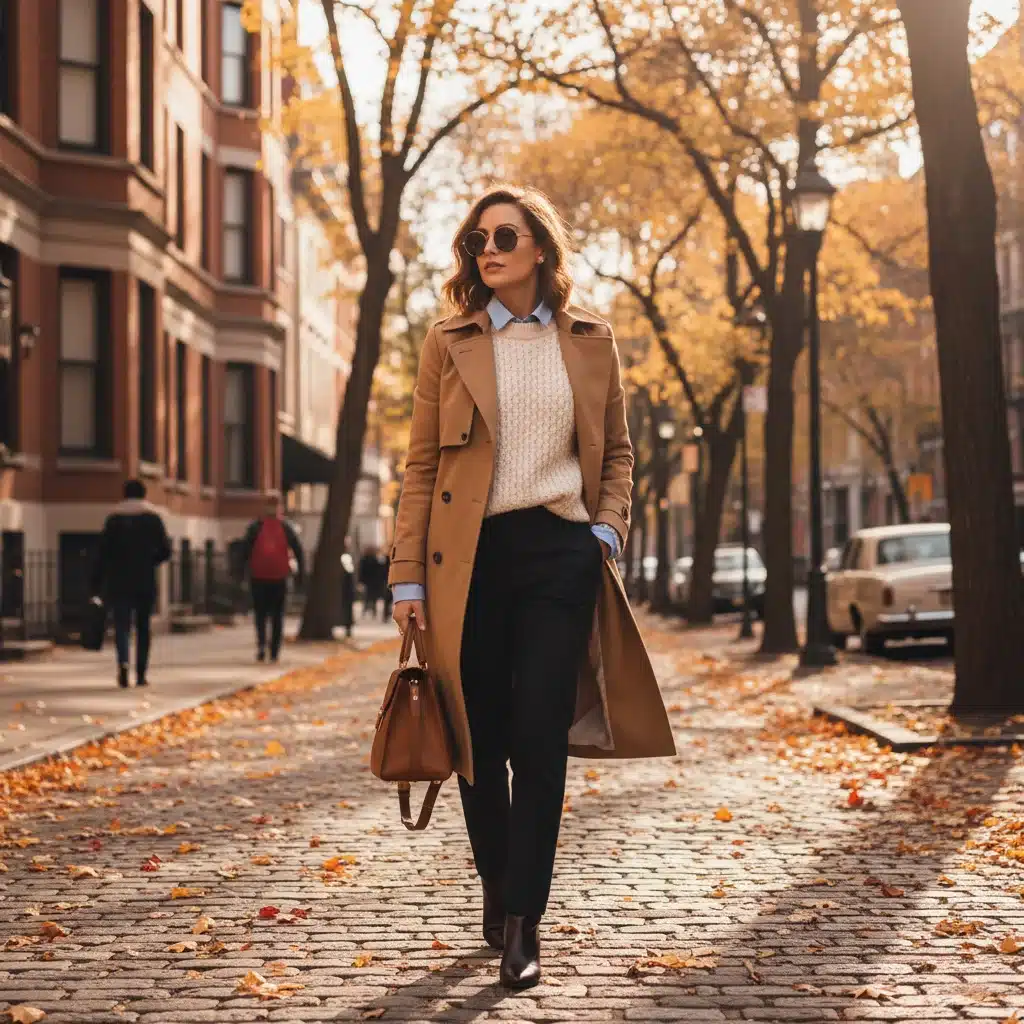
For fall, the options for your third piece are abundant. A classic trench coat is an unbeatable choice, offering sophistication and practicality. A chunky knit cardigan provides warmth and a cozy vibe. A leather jacket adds an edgy touch. A tailored vest can create a smart, contemporary look. The key is to choose a piece that complements your base layers and aligns with the overall aesthetic you’re aiming for.
The ‘third piece’ is also an excellent opportunity to experiment with trends without committing to them wholeheartedly. A trendy colored blazer or a patterned vest can update your entire wardrobe without requiring an overhaul. It’s a low-risk, high-reward strategy for staying current with Fall 2026 fashion. This technique is particularly effective in demonstrating your mastery of fall layering techniques, as it showcases an understanding of how to elevate a basic ensemble.
Don’t underestimate the power of this simple addition. It’s often the difference between looking dressed and looking styled. By consistently incorporating a thoughtful third piece, you’ll find your outfits feel more cohesive, intentional, and fashion-forward. This is one of the easiest yet most impactful fall layering techniques to adopt.
5. Proportional Play: Balancing Volume and Silhouette
Achieving a balanced silhouette is paramount when employing fall layering techniques. Without careful attention to proportions, layers can quickly add unwanted bulk, making an outfit look shapeless or overwhelming. Proportional play involves understanding how different garment volumes interact and using them to create a flattering and dynamic silhouette.
One popular and effective approach is to balance volume. If you’re wearing a voluminous top layer, such as an oversized sweater or a puffy vest, pair it with more fitted bottom layers, like skinny jeans, leggings, or a sleek pencil skirt. Conversely, if your bottom half is more voluminous (e.g., wide-leg trousers or a flowing maxi skirt), opt for a more fitted or cropped top layer to maintain balance. This contrast prevents your figure from being swallowed by fabric.
Another aspect of proportional play is considering the length of your layers. A longer tunic or dress peeking out from under a shorter sweater or jacket creates interesting lines and adds a bohemian chic touch. Similarly, a cropped jacket over a longer top can accentuate your waist and create a sense of height. Experiment with varying hemlines to add visual interest and break up the monotony that can sometimes occur with multiple layers.
Belts are also incredibly useful tools for defining your waist and creating shape within a layered ensemble. A wide belt cinched over a chunky knit sweater and a long coat can instantly create an hourglass silhouette, preventing the layers from looking shapeless. This small addition can make a huge difference in how your layered outfit appears, making it a vital component of advanced fall layering techniques.
Ultimately, proportional play is about understanding your body shape and using layers to enhance it. It’s about creating visual harmony and ensuring that each layer contributes positively to the overall aesthetic. By consciously thinking about volume, length, and how these elements interact, you can create layered outfits that are not only warm and comfortable but also incredibly flattering and stylish. This strategic approach is key to mastering fall layering techniques.
6. Embracing Versatility: Layers for Every Occasion
The true genius of fall layering techniques lies in their inherent versatility. A well-constructed layered wardrobe allows you to adapt to various temperatures, occasions, and personal style preferences with ease. It’s about creating outfits that can transition seamlessly from a chilly morning commute to a warmer afternoon, and then to a cozy evening gathering, all without a complete wardrobe change.
Think about building outfits with interchangeable components. A single base layer (like a long-sleeved tee) can be paired with different mid-layers (a cardigan for casual, a blazer for formal) and various outer layers (a denim jacket for weekend, a trench coat for work). This modular approach maximizes the utility of each garment in your closet, making your wardrobe more efficient and sustainable.
For a casual weekend look, you might layer a thermal top under a flannel shirt, topped with a puffer vest and jeans. For a more professional setting, a silk blouse under a fine-gauge knit, completed with a tailored blazer and wool trousers, would be perfect. And for an evening out, a delicate camisole under a structured velvet blazer, perhaps with a faux fur stole, offers elegance and warmth. Each scenario demonstrates the adaptability of fall layering techniques.
Accessories play a significant role in enhancing versatility. Scarves, hats, and gloves are not just for warmth; they can dramatically alter the vibe of an outfit. A chunky knit beanie and a patterned scarf can make a sophisticated coat look more casual, while a sleek leather glove and a silk neckerchief can elevate a simple sweater. These small additions provide endless opportunities to customize your layered looks.
The ability to effortlessly adapt your attire to changing circumstances is a hallmark of a truly well-dressed individual. By consciously building a versatile layered wardrobe, you’re not just preparing for the fall weather; you’re investing in a smarter, more flexible approach to fashion. Embracing this versatility is the final, crucial step in fully mastering fall layering techniques, ensuring you’re stylishly prepared for whatever the season brings.
Conclusion: Your Ultimate Guide to Fall Layering Success
Mastering fall layering techniques is an essential skill for anyone looking to navigate the autumn season with both style and comfort. From the foundational thin-to-thick principle to the nuanced art of proportional play and the strategic use of color and texture, each technique builds upon the last to create cohesive, captivating, and practical outfits. For Fall 2026, these methods are more relevant than ever, allowing you to embrace trends while maintaining timeless elegance.
Remember that layering is not just about piling on clothes; it’s about thoughtful construction, intentional choices, and understanding how each piece contributes to the overall aesthetic and functionality of your ensemble. By experimenting with different combinations, playing with textures and colors, and always considering the ‘third piece,’ you unlock a world of sartorial possibilities.
Your fall wardrobe should be a testament to your personal style, a collection of versatile pieces that can be mixed and matched to suit any occasion or temperature fluctuation. Armed with these six essential fall layering techniques, you are now equipped to create looks that are not only warm and comfortable but also undeniably chic and perfectly tailored to the beauty of autumn.
So, step out with confidence this fall, knowing that you’ve mastered the art of layering. Embrace the crisp air, the vibrant colors, and the endless opportunities for stylish self-expression that the season offers. Your journey to impeccable fall fashion begins now, one perfectly layered outfit at a time.