Maximize Your Fashion Budget: 4 Smart Shopping Strategies for 2026
In an ever-evolving world of trends and consumerism, managing your fashion budget can feel like an insurmountable challenge. The desire to stay stylish and current often clashes with the practical need to save money. However, with the right approach and a few clever strategies, you can master the art of smart fashion shopping in 2026. This comprehensive guide will delve into four essential fashion budget strategies that will not only help you save money but also cultivate a more sustainable and personal style. By embracing these principles, you’ll discover that looking good doesn’t have to cost a fortune, and a well-planned wardrobe can be both fashionable and fiscally responsible.
The fashion industry is notorious for its rapid cycles, constantly pushing new collections and must-have items. This fast-paced environment can make it difficult to discern what’s truly worth investing in and what’s merely a fleeting trend. For many, the temptation to keep up leads to impulse purchases, wardrobe clutter, and ultimately, budget strain. But what if there was a way to navigate this landscape with confidence, making informed decisions that benefit both your style and your wallet? The answer lies in adopting strategic shopping habits that prioritize quality, versatility, and long-term value over short-term gratification. These fashion budget strategies are designed to empower you, transforming you from a passive consumer into an active curator of your personal style.
As we look ahead to 2026, economic shifts and a growing emphasis on sustainability continue to shape consumer behavior. This presents a unique opportunity to re-evaluate our shopping habits and embrace more mindful practices. The four strategies we will explore are not just about cutting costs; they are about fostering a deeper understanding of your personal style, making conscious choices, and ultimately, building a wardrobe that serves you for years to come. From meticulous planning to savvy thrifting, each strategy offers practical steps you can implement immediately to take control of your spending and elevate your fashion game. Get ready to transform your approach to fashion and discover the power of smart budgeting.
Advertisements
1. Master the Art of Wardrobe Planning and Auditing
One of the most effective fashion budget strategies begins before you even step foot in a store or click ‘add to cart’: meticulous wardrobe planning and regular auditing. Many people fall into the trap of buying items they already own, or pieces that don’t integrate well with their existing wardrobe, leading to unworn clothes and wasted money. A well-planned wardrobe, often referred to as a capsule wardrobe, is built on versatility and timelessness, ensuring that every piece serves a purpose and can be mixed and matched to create numerous outfits. This approach significantly reduces the need for constant new purchases and helps you make the most of what you already have.
The Initial Wardrobe Audit: Declutter and Discover
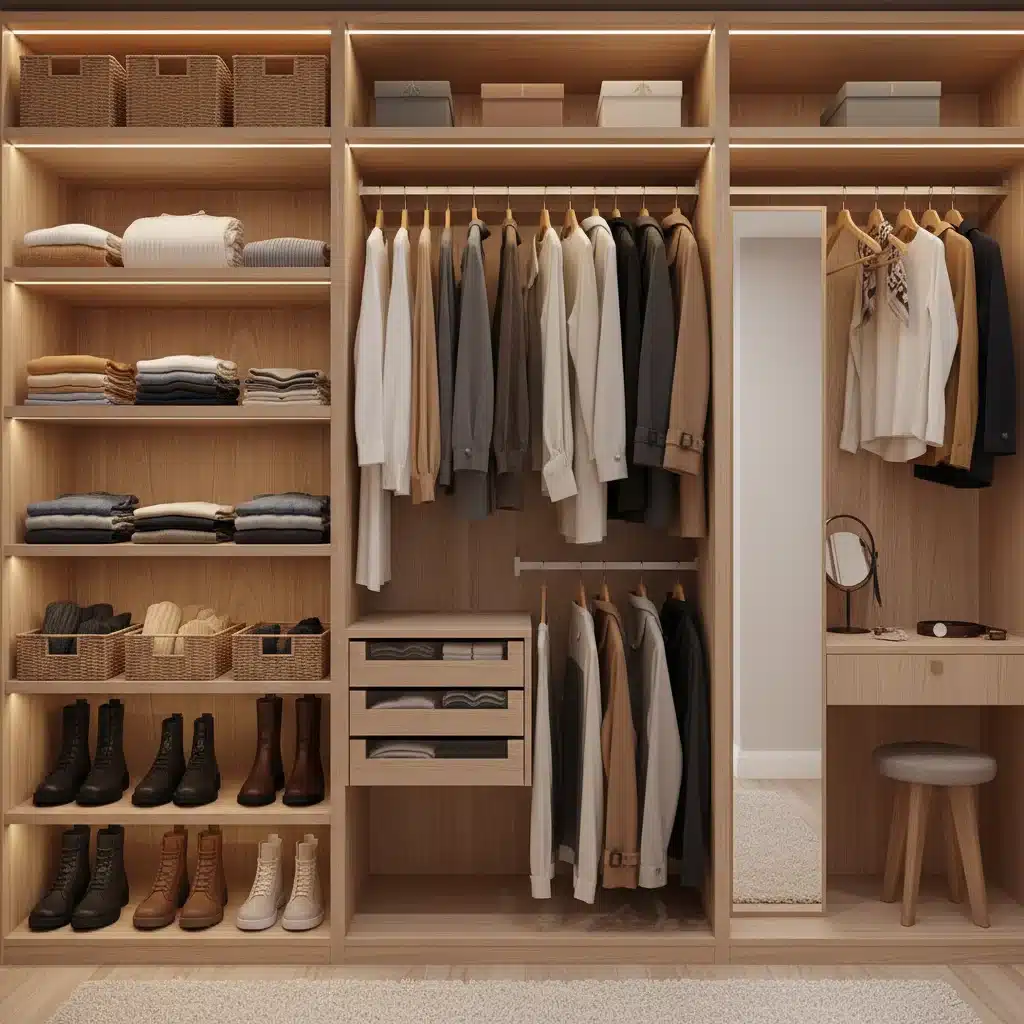
Start by conducting a thorough audit of your current wardrobe. This means taking everything out, yes, everything! Sort your clothes into three piles: ‘Keep,’ ‘Donate/Sell,’ and ‘Repair/Alter.’ Be honest with yourself. If you haven’t worn something in over a year, or it no longer fits or suits your style, it’s time to let it go. This decluttering process is crucial for several reasons. Firstly, it helps you identify gaps in your wardrobe. You might realize you have five white t-shirts but no versatile black trousers. Secondly, it allows you to rediscover forgotten gems and appreciate the items you already own. Thirdly, by letting go of unused items, you create space, both physically and mentally, for a more intentional collection.
Define Your Personal Style and Lifestyle Needs
Once you’ve decluttered, take time to define your personal style. What colors, silhouettes, and fabrics do you gravitate towards? What outfits make you feel confident and comfortable? Consider your lifestyle: do you need more professional attire, casual wear, or activewear? Understanding your true needs and aesthetic preferences is a cornerstone of smart shopping. This clarity prevents impulse buys based on fleeting trends and ensures that every new acquisition genuinely enhances your existing collection. Without a clear vision, you risk accumulating disparate items that don’t form cohesive outfits, undermining your efforts to manage your fashion budget strategies effectively.
Create a Shopping List Based on Gaps and Versatility
With your personal style defined and your wardrobe audited, you can now create a strategic shopping list. This list should focus on filling the identified gaps with versatile, high-quality pieces that complement your existing items. Think about foundational pieces: classic shirts, well-fitting jeans, a versatile blazer, and comfortable yet stylish shoes. Prioritize items that can be dressed up or down, and that mix well with multiple other pieces in your wardrobe. This mindful approach ensures that every purchase is a deliberate investment rather than a reactive spend, directly contributing to optimizing your fashion budget strategies. By focusing on versatility, you extend the lifespan and utility of each item, making your budget stretch further.
2. Embrace Second-Hand Shopping and Sustainable Fashion
One of the most impactful fashion budget strategies for 2026, both financially and environmentally, is embracing second-hand shopping and sustainable fashion. The rise of vintage stores, consignment shops, online marketplaces, and clothing swap events has made it easier than ever to find unique, high-quality pieces at a fraction of their original price. This not only saves you money but also contributes to a more sustainable fashion ecosystem by reducing waste and extending the life cycle of garments.
The Thrill of the Hunt: Finding Hidden Gems
Second-hand shopping is an adventure. You never know what treasures you might uncover – a designer bag, a vintage leather jacket, or a unique dress that no one else will have. Websites like ThredUp, Poshmark, Depop, and The RealReal offer a vast selection of pre-loved clothing, often with detailed descriptions and authentication services. Local thrift stores and consignment shops also provide excellent opportunities for discovery. The key is patience and a keen eye. Look for quality fabrics, good construction, and items that align with your defined personal style. Don’t be afraid to try things on, and always inspect items for any damage or wear before purchasing.
The Environmental and Ethical Benefits
Beyond the cost savings, choosing second-hand and sustainable fashion has significant ethical and environmental benefits. The fashion industry is a major contributor to pollution and waste, with fast fashion cycles leading to billions of tons of textile waste annually. By opting for pre-loved items, you reduce your carbon footprint, conserve resources, and lessen the demand for new production. Furthermore, many sustainable brands prioritize ethical labor practices and eco-friendly materials, offering another avenue for conscious consumption. Integrating these choices into your fashion budget strategies allows you to align your values with your spending habits, creating a wardrobe you can feel good about.
Repair, Repurpose, and Swap
Sustainable fashion isn’t just about where you buy your clothes; it’s also about how you treat them. Learning basic mending skills – sewing on a button, fixing a seam, or hemming trousers – can significantly extend the life of your garments. For more complex repairs or alterations, a local tailor can be a valuable partner, often for a reasonable cost. Consider repurposing old clothes into new items, like turning an old pair of jeans into shorts or a skirt. Additionally, organizing or participating in clothing swaps with friends is a fantastic way to refresh your wardrobe for free, discovering new pieces while giving your old items a new home. These practices are integral to effective fashion budget strategies, minimizing new purchases and maximizing the value of what you already own.
3. Become a Savvy Shopper: Timing, Discounts, and Comparison
Strategic shopping involves more than just knowing what to buy; it’s also about knowing when and where to buy it. Becoming a savvy shopper is a powerful component of any effective fashion budget strategies. This means understanding sales cycles, leveraging discounts, and always comparing prices to ensure you’re getting the best possible deal. Impulse buying is the enemy of a healthy budget, so cultivating patience and research skills is paramount.
Understand Sales Cycles and Seasonal Discounts
Fashion operates on seasonal cycles, and understanding these can save you a significant amount of money. End-of-season sales (e.g., winter coats in late winter/early spring, summer wear in late summer/early fall) are prime opportunities to snag items at deep discounts. Major holiday sales events like Black Friday, Cyber Monday, and post-Christmas sales are also excellent times to make planned purchases. Subscribe to newsletters from your favorite brands to be notified of upcoming sales and exclusive offers. However, be cautious not to buy just because something is on sale; stick to your shopping list to avoid unnecessary purchases, keeping your fashion budget strategies on track.
Leverage Coupons, Loyalty Programs, and Price Comparison Tools
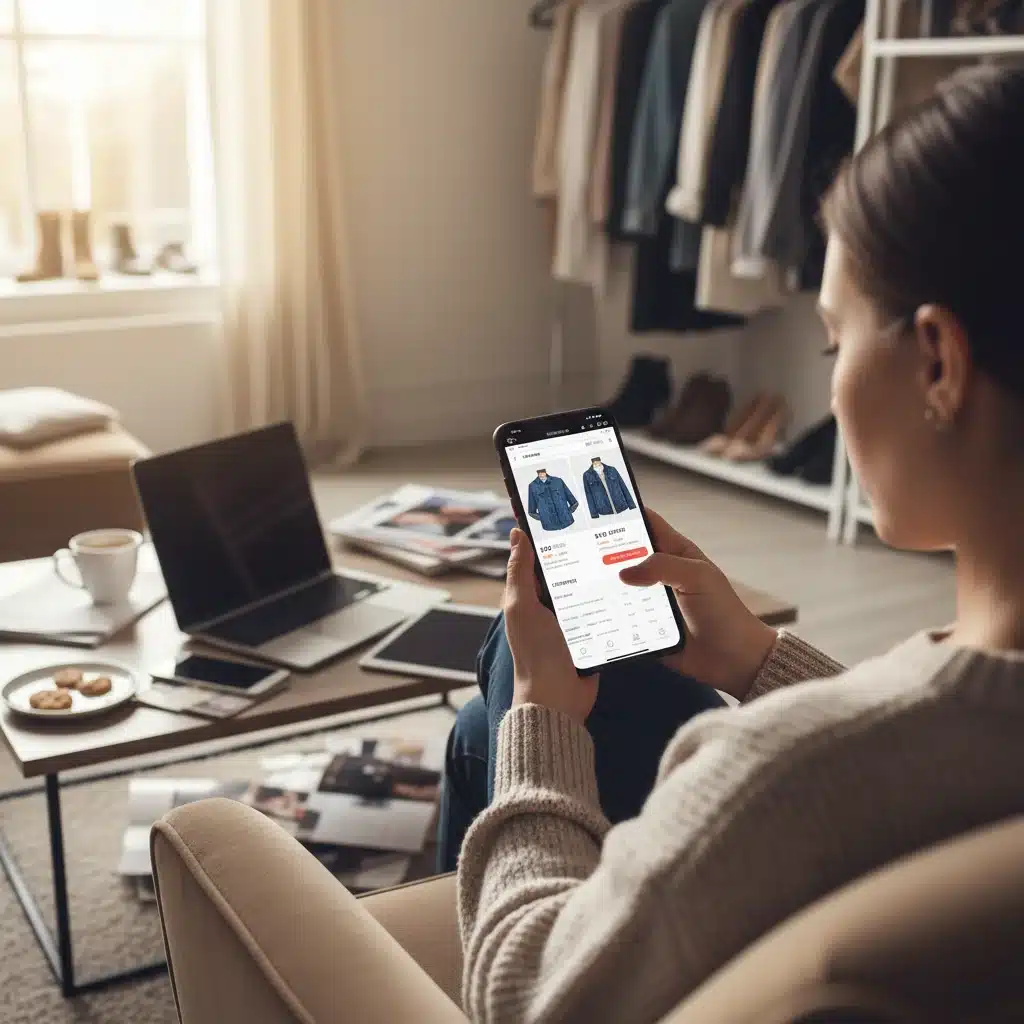
Before making any purchase, always check for coupons or discount codes. Many websites offer a first-time customer discount, and browser extensions can automatically search for applicable codes. Sign up for loyalty programs from retailers you frequent; these often provide exclusive discounts, early access to sales, and points that convert into savings. Price comparison websites and apps are invaluable tools for online shopping. They allow you to quickly see if a product is available for a lower price elsewhere. For in-store shopping, a quick check on your phone can prevent overpaying. These small efforts accumulate into substantial savings over time, reinforcing your fashion budget strategies.
The ’30-Day Rule’ and Avoiding Impulse Buys
To combat impulse buying, implement the ’30-day rule.’ If you see something you want but don’t immediately need, wait 30 days before purchasing it. Often, after this period, the initial excitement wears off, and you might realize you don’t truly need or want the item. This rule helps differentiate between genuine needs and fleeting desires, ensuring that every purchase is a considered one. This discipline is a cornerstone of successful fashion budget strategies, preventing unnecessary spending and allowing funds to be allocated to more meaningful investments.
4. Invest in Quality Basics and Versatile Accessories
The final, yet perhaps most crucial, of the fashion budget strategies is to shift your mindset from quantity to quality, especially when it comes to foundational pieces and accessories. While it might seem counterintuitive to spend more on individual items when trying to save money, investing in high-quality basics that stand the test of time proves to be more economical in the long run. These pieces form the backbone of your wardrobe, providing endless styling possibilities and reducing the need for frequent replacements.
The Power of High-Quality Basics
Think of high-quality basics as the workhorses of your wardrobe. A well-made white t-shirt, a classic pair of dark wash jeans, a tailored blazer, a comfortable sweater, or a simple black dress are items you will wear repeatedly. While they might have a higher upfront cost, their superior craftsmanship, durable materials, and timeless design mean they will last much longer than their fast-fashion counterparts. This longevity reduces your cost-per-wear significantly. Instead of constantly replacing cheap, poorly made items, you’ll have a reliable foundation that looks good and feels comfortable for years. This approach is central to effective fashion budget strategies, ensuring your money is spent wisely on items with lasting value.
Versatile Accessories: The Game-Changers
Accessories have the remarkable ability to transform an outfit, often at a lower cost than buying an entirely new ensemble. Investing in a few versatile accessories can elevate your entire wardrobe. Consider a classic leather belt, a chic scarf, a statement necklace, or a pair of elegant earrings. A high-quality handbag or a pair of versatile shoes (e.g., classic sneakers, comfortable ankle boots, elegant flats) can instantly change the vibe of an outfit. The key is versatility: choose accessories that complement multiple outfits and occasions. They allow you to refresh your look without needing to buy new clothes, making them an indispensable part of your fashion budget strategies.
Care for Your Investments
To truly maximize your investment in quality pieces, proper care is essential. Read care labels carefully and follow washing instructions. Hand-washing delicate items, air-drying clothes when possible, and storing garments correctly can significantly extend their lifespan. Investing in good hangers, shoe trees, and garment bags can also protect your clothes and accessories from wear and tear. A little effort in garment care goes a long way in preserving your wardrobe and ensuring that your high-quality items continue to look their best, thus reinforcing the long-term benefits of these fashion budget strategies.
Conclusion: Building a Smart and Stylish Wardrobe for 2026
Navigating the world of fashion doesn’t have to be a drain on your finances or a source of endless frustration. By adopting these four smart fashion budget strategies – mastering wardrobe planning, embracing second-hand and sustainable options, becoming a savvy shopper, and investing in quality basics and versatile accessories – you can build a stylish, functional, and sustainable wardrobe without overspending. These strategies are not just about saving money; they are about cultivating a more mindful approach to consumption, understanding your personal style, and making choices that reflect your values.
In 2026 and beyond, the emphasis will increasingly be on conscious consumption and personal expression over fleeting trends. By implementing these tips, you’ll not only maximize your fashion budget but also contribute to a more sustainable future for the industry. Remember, true style isn’t about having the most clothes, but about having the right clothes – pieces that make you feel confident, comfortable, and authentically you. Start applying these fashion budget strategies today, and embark on a journey towards a smarter, more stylish you.
Transform your shopping habits, empower your financial well-being, and elevate your personal style. Your wardrobe, and your wallet, will thank you.