Mastering Layering Techniques: 7 Expert Tips for 2026 Fashion
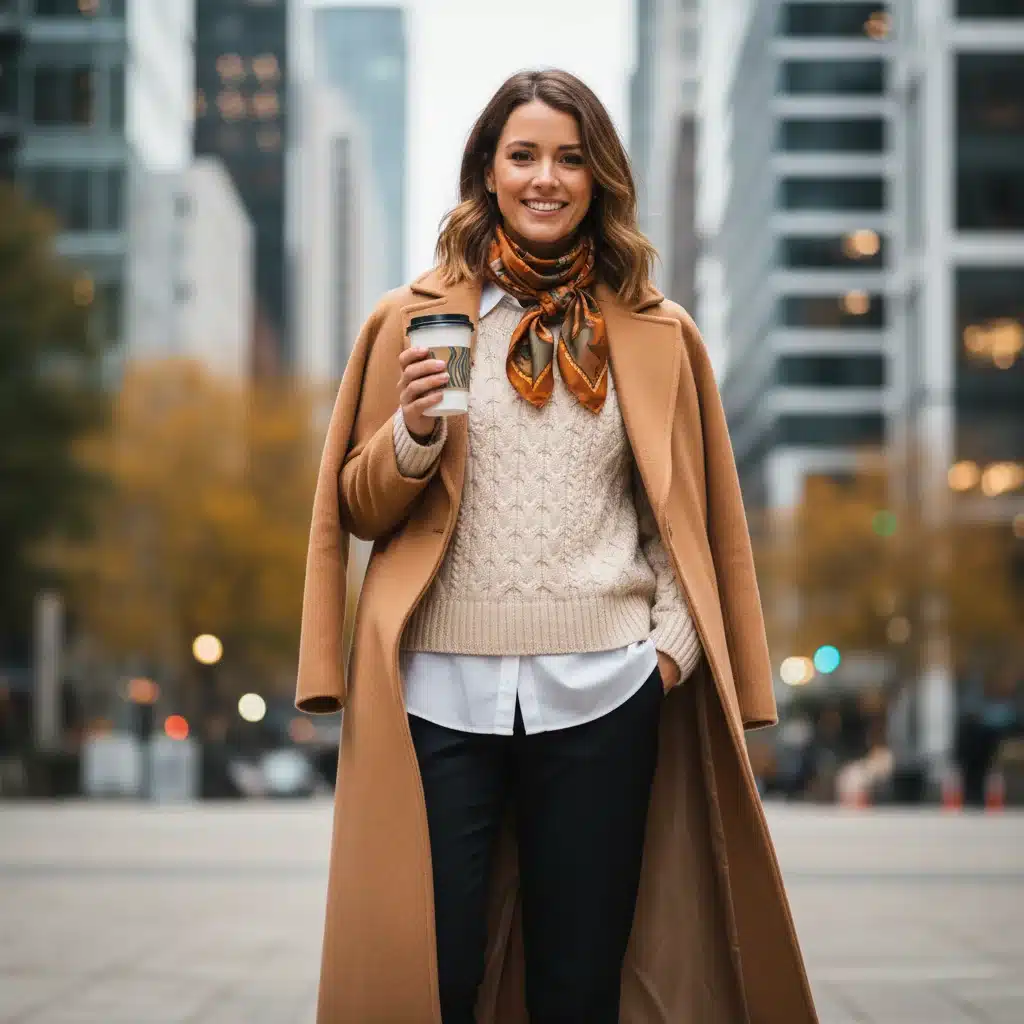
Mastering Layering Techniques: 7 Expert Tips for 2026 Fashion
Welcome, fashion enthusiasts, to the definitive guide on mastering layering techniques 2026! As we step further into the future of fashion, the art of layering becomes not just a practical necessity but a powerful statement of personal style. Forget the days of simply throwing on a jacket; 2026 is all about strategic, sophisticated, and utterly chic layering that elevates your entire wardrobe. Whether you’re battling unpredictable weather, looking to add depth to your outfits, or simply want to express your creativity, understanding advanced layering principles is key.
Layering is more than just stacking clothes; it’s about creating a harmonious ensemble that balances texture, color, silhouette, and proportion. It allows for versatility, transforming a single garment into multiple outfits, and extending the life of your wardrobe across seasons. In this comprehensive guide, we’ll delve into seven expert layering techniques 2026 that will revolutionize your approach to dressing, ensuring you’re always at the forefront of fashion. Get ready to unlock new levels of style and comfort!
1. The Foundation First: Mastering Your Base Layer
Every great layered outfit begins with a strong foundation. The base layer is crucial not only for comfort and temperature regulation but also for setting the tone of your entire look. For layering techniques 2026, we’re seeing a shift towards high-quality, breathable, and often luxurious base layers that can stand alone if needed.
Advertisements
Choosing the Right Fabrics
- Natural Fibers: Opt for materials like merino wool, silk, bamboo, or high-quality cotton. These fabrics are excellent at wicking moisture, regulating temperature, and feeling soft against the skin. Merino wool, in particular, is a superstar for its warmth-to-weight ratio and odor resistance, making it ideal for both active and everyday wear.
- Seamless Designs: To avoid bulk and discomfort, look for seamless or minimally seamed base layers. This ensures a smooth silhouette under subsequent layers.
- Fit is Key: Your base layer should be snug but not restrictive. It needs to provide a second-skin feel without clinging uncomfortably. A well-fitting base layer prevents wrinkles and bunching as you add more garments.
Styling Your Base Layer
Think beyond just a plain t-shirt. For layering techniques 2026, consider:
- Turtlenecks: A classic turtleneck in a fine gauge knit can be an incredibly chic base, peeking out from under sweaters, blazers, or even dresses.
- Long-Sleeve Crew Necks: Versatile and timeless, these are perfect for adding a touch of warmth and color without overwhelming the outfit.
- Bodysuits: For an ultra-smooth and tucked-in look, bodysuits are an excellent choice, preventing any awkward bunching at the waist.
The base layer is your secret weapon for comfort and a sleek start to any layered ensemble. Invest in quality pieces, and you’ll find your layering game instantly elevated.
2. The Art of Texture Play: Adding Depth and Interest
One of the most impactful layering techniques 2026 is the strategic use of contrasting textures. This isn’t just about warmth; it’s about creating visual interest and a sophisticated, multi-dimensional look. Without varied textures, even a well-layered outfit can fall flat.
Mixing and Matching Textures
- Smooth with Rough: Pair a silky blouse with a chunky knit cardigan, or a crisp cotton shirt with a tweed blazer. The contrast creates immediate visual appeal.
- Soft with Structured: A delicate lace camisole under a structured denim jacket, or a soft cashmere sweater beneath a sharp leather jacket. This interplay adds dynamism.
- Shiny with Matte: Incorporate elements like a satin skirt with a matte wool sweater, or a metallic accessory against a brushed cotton fabric.
Think about how each fabric feels and looks. For instance, the tactile quality of a ribbed knit next to a smooth jersey, or the visual weight of a faux fur vest over a fine-gauge knit. These subtle differences are what make an outfit truly stand out.
Practical Applications for 2026
Consider:
- A fine-knit merino turtleneck (smooth) under a corduroy overshirt (textured) and then a wool blazer (structured).
- A silk slip dress (shiny, smooth) worn over a thin cotton long-sleeve tee (matte) and topped with an oversized denim jacket (structured, textured).
- Layering a delicate lace-trimmed camisole under a sheer blouse, then adding a chunky knit vest.
Don’t be afraid to experiment with unexpected combinations. The goal is to create a rich tapestry of textures that invites the eye to explore the ensemble. This is where personal style truly shines within layering techniques 2026.
3. The Power of Proportion: Balancing Silhouettes
One of the biggest challenges in layering is avoiding a bulky or shapeless appearance. This is where understanding proportion becomes paramount. Successful layering techniques 2026 are all about creating visually pleasing silhouettes that enhance your figure, rather than overwhelming it.
High-Low Dynamics
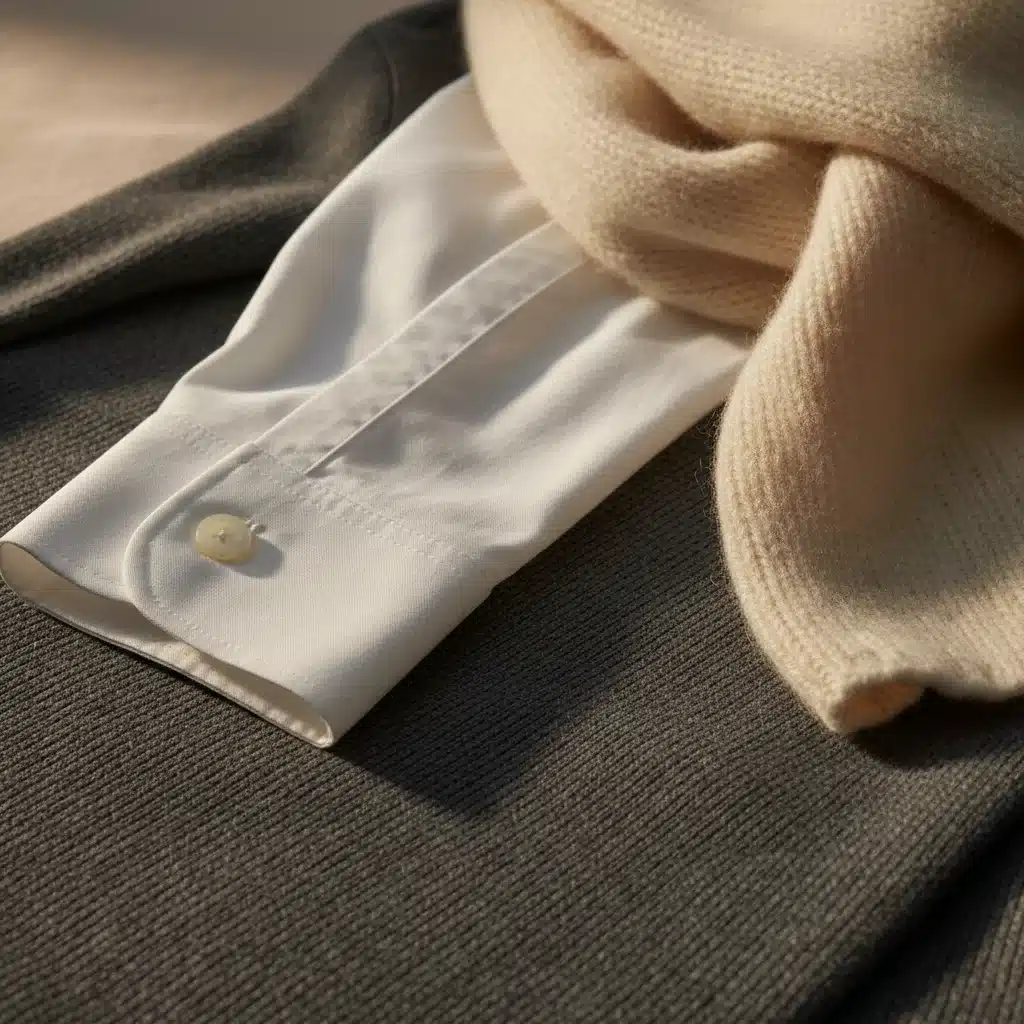
- Varying Lengths: Play with different lengths to create interest. A longer tunic or dress peeking out from under a shorter sweater or jacket can be incredibly chic. Conversely, a cropped sweater over a long button-down shirt creates a modern, relaxed vibe.
- Structured vs. Flowy: Balance structured pieces with more fluid ones. For example, a tailored blazer over a flowy maxi dress, or a crisp shirt under a soft, oversized cardigan.
Defining the Waist
Even with multiple layers, you can maintain a defined waistline to avoid looking boxy:
- Belting: A belt over a sweater, cardigan, or even a lightweight coat can instantly cinch the waist and create an hourglass silhouette.
- Tucking: Partially tucking a shirt or sweater into your trousers or skirt can define the waist and create a more polished, intentional look.
- Layering with Cropped Items: Use cropped jackets or sweaters as outer layers to highlight your natural waistline, especially when paired with high-waisted bottoms.
The Rule of Thirds
Consider dividing your outfit into visual thirds to create a balanced and aesthetically pleasing look. For example, your top layer might cover two-thirds of your torso, leaving one-third of your base layer visible. This creates a dynamic visual flow that is pleasing to the eye.
Mastering proportion ensures that your layered outfits look intentional and stylish, rather than accidental and bulky. It’s a cornerstone of effective layering techniques 2026.
4. Color Storytelling: Creating Cohesive Palettes
Color is a powerful tool in layering. Thoughtful color combinations can transform a simple layered outfit into a sophisticated, cohesive statement. For layering techniques 2026, we’re seeing a move towards both subtle monochromatic palettes and bold, unexpected color blocking.
Monochromatic Magic
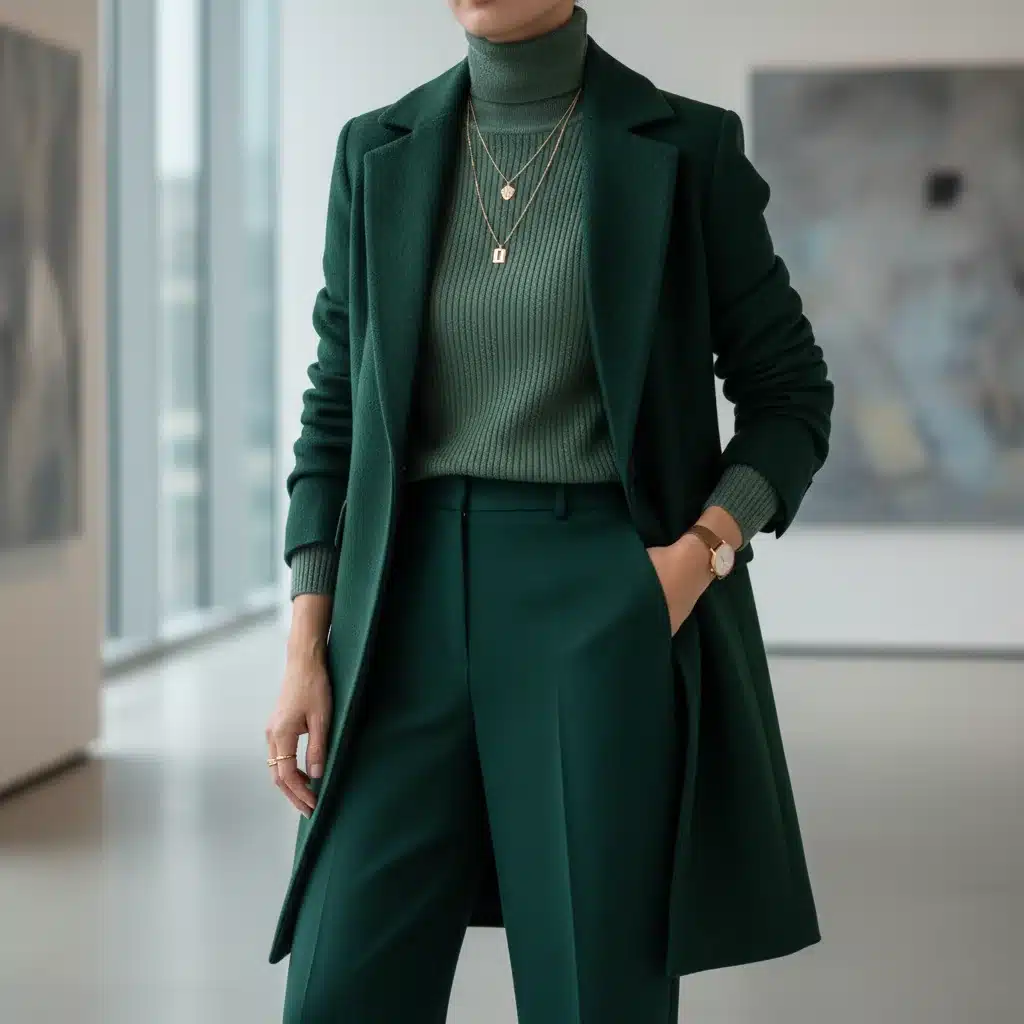
Dressing in varying shades of a single color is an incredibly chic and elongating layering technique. It creates a seamless, sophisticated look that always appears put-together.
- Example: A deep forest green turtleneck, a slightly lighter olive green cardigan, and a dark green wool coat.
- Tip: Introduce different textures within your monochromatic palette to prevent it from looking flat (refer back to Tip 2!).
Analogous Harmony
Analogous colors are those that sit next to each other on the color wheel (e.g., blue, blue-green, green). Using these colors in your layers creates a harmonious and natural flow.
- Example: A pale blue shirt, a navy sweater, and a deep teal scarf.
Complementary Contrasts (Used Sparingly)
Complementary colors are opposite each other on the color wheel (e.g., blue and orange, red and green). While they create high contrast, they can be used effectively in layering by choosing one as the dominant color and using the other as an accent.
- Example: A neutral base (grey sweater) with a pop of complementary color (burnt orange scarf or bag).
Neutral Foundations with Pops of Color
This is a safe yet stylish approach. Build your core layers with neutrals (black, white, grey, beige, navy) and then introduce one or two vibrant colors through an accessory, a statement sweater, or a jacket.
Don’t be afraid to experiment with color. The key is to ensure the colors you choose work together to tell a coherent story, making your layering techniques 2026 truly shine.
5. The Strategic Use of Outerwear: More Than Just a Coat
Outerwear is often seen as the final piece, but in the realm of layering techniques 2026, it’s an integral part of the ensemble, often serving as a key layer itself. Think of your coats, jackets, and vests not just as protection from the elements, but as essential components of your outfit’s structure and style.
Lightweight Outerwear as Mid-Layers
- Vests: Puffer vests, faux fur vests, or tailored wool vests can be excellent mid-layers over sweaters or shirts and under heavier coats. They add warmth without adding bulk to the arms.
- Overshirts/Shackets: These versatile pieces blur the line between a shirt and a jacket. They work beautifully over a t-shirt or thin knit and under a heavier coat.
- Blazers: A blazer can be a fantastic layering piece, worn over a turtleneck or fine-knit sweater, and then tucked under a larger overcoat.
The Statement Coat
For 2026, your outermost layer, whether it’s a trench coat, a wool overcoat, or a stylish puffer, should complement and enhance the layers beneath. Consider:
- Fit: Ensure your coat is roomy enough to accommodate your layers without feeling tight or restricting movement. An oversized fit is particularly on-trend for 2026.
- Length: Play with coat lengths. A long trench over a shorter dress, or a cropped jacket over a long tunic, creates interesting proportions.
- Material: A luxurious material like cashmere, a rich wool blend, or even a technical fabric with a stylish finish can elevate your entire layered look.
Styling Tips for Outerwear
- Draping: For a sophisticated, effortless look, drape a coat over your shoulders instead of putting your arms through the sleeves.
- Open vs. Closed: Experiment with wearing your outerwear open to reveal the layers beneath, or partially closed to create a streamlined look.
Your outerwear is not just an afterthought; it’s a critical player in your layering techniques 2026 arsenal, offering both functionality and immense style potential.
6. Accessorizing for Impact: The Finishing Touches
Accessories are the unsung heroes of layering techniques 2026. They can add a final flourish, a pop of color, an extra layer of warmth, or a touch of personality that ties the entire ensemble together. Don’t underestimate their power to transform a simple layered outfit into a masterpiece.
Scarves: The Ultimate Layering Accessory
- Silk Scarves: A small silk scarf can be tied around the neck, worn as a headscarf, or even tied to a handbag to add a touch of elegance and color.
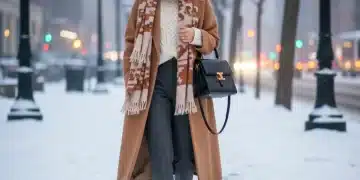
- Chunky Knits: Large, chunky knit scarves provide significant warmth and add wonderful texture. Experiment with different wrapping styles.
- Blanket Scarves: These oversized scarves can almost act as an additional layer, draped over your shoulders like a shawl.
Hats and Gloves
- Beanies: A stylish beanie can add a casual, cool vibe and extra warmth.
- Wide-Brimmed Hats: For a more sophisticated or dramatic look, a felt or wool wide-brimmed hat can complete a layered outfit.
- Gloves: Leather gloves, knit mittens, or even elegant opera gloves for a formal touch can add both warmth and a refined finish.
Jewelry and Belts
- Statement Necklaces: Over a simple turtleneck or crew neck, a statement necklace can draw the eye and add a focal point.
- Layered Necklaces: Delicate layered necklaces can add subtle sparkle and depth without overwhelming the outfit.
- Belts: As mentioned in Tip 3, a belt is not just functional; it’s a powerful styling tool to define your silhouette over multiple layers.
Remember, accessories are an extension of your personal style. Choose pieces that resonate with you and enhance the overall aesthetic of your layered look. They are crucial for perfecting your layering techniques 2026.
7. Experimentation and Personal Style: Breaking the Rules
While the previous six tips provide a solid framework for mastering layering techniques 2026, the final and perhaps most important tip is to experiment and infuse your personal style into every outfit. Fashion is a form of self-expression, and rules are often meant to be broken (or at least bent) once you understand them.
Start Small, Build Up
If you’re new to advanced layering, don’t feel pressured to create complex outfits immediately. Start by adding one extra layer to your usual ensemble. A vest over a shirt, a scarf with a jacket, or a turtleneck under a dress. Gradually build your confidence and complexity.
Mirror, Mirror on the Wall
Always take the time to look at your layered outfit in a full-length mirror. Walk around, sit down, and check how it feels and looks from all angles. Does it feel comfortable? Does it look balanced? Does it reflect your personality?
Seek Inspiration
Look to fashion magazines, social media, and street style for inspiration. Pay attention to how others are combining textures, colors, and proportions. Adapt what you see to fit your own wardrobe and body type. Remember that layering techniques 2026 are constantly evolving, so staying updated is key.
Don’t Fear the Unconventional
- Dress Over Pants: A tunic dress or even a slip dress worn over tailored trousers or jeans is a chic and modern layering choice.
- Double Jackets: A denim jacket under a wool coat, or a leather jacket under a trench coat, can add unexpected warmth and style.
- Sheer Layers: Incorporate sheer tops or dresses over opaque base layers for a subtle, intriguing effect.
Ultimately, the goal of layering techniques 2026 is to create outfits that make you feel confident, comfortable, and stylish. Don’t be afraid to play, to mix and match, and to let your unique style shine through each carefully chosen layer.
The Evolution of Layering: What to Expect in 2026 and Beyond
As we’ve explored the intricate world of layering techniques 2026, it’s clear that this fundamental aspect of fashion is far from static. The coming years will continue to see innovative approaches, driven by both aesthetic desires and practical considerations. Sustainability, versatility, and personal expression will remain at the forefront, influencing how we build our layered wardrobes.
Sustainable Layering
The emphasis on conscious consumption means investing in high-quality, durable pieces that can be layered in countless ways across seasons. Expect a rise in demand for ethically sourced natural fibers and innovative recycled materials that offer both performance and style. The ‘less but better’ philosophy will encourage consumers to create versatile capsules that maximize layering potential.
Technological Integration
Smart fabrics with built-in temperature regulation, moisture-wicking properties, and even self-cleaning capabilities will become more mainstream. These advancements will enhance the comfort and functionality of base and mid-layers, making layering techniques 2026 even more efficient and enjoyable, particularly for those with active lifestyles or who face extreme weather conditions.
Gender-Neutral and Fluid Styling
Fashion is increasingly moving towards gender fluidity, and layering is a perfect vehicle for this. Oversized silhouettes, versatile garments, and a focus on personal expression over traditional gender norms will continue to shape how individuals approach layering. Expect to see more unisex pieces designed with layering in mind, allowing for greater creative freedom.
The Return of the ‘Maximalist’ Layer
While minimalism will always have its place, 2026 might see a resurgence of ‘maximalist’ layering – not in a cluttered way, but in a highly curated, artful stacking of multiple textures, patterns, and even unexpected garment combinations. Think bold prints peeking through, intricate embroidery on a visible layer, or dramatic collars and cuffs adding architectural interest.
Layering for Digital and Physical Worlds
With the rise of digital fashion and the metaverse, layering techniques 2026 might also extend into virtual realms. Digital garments can be layered in ways impossible in the physical world, offering new avenues for creative expression and personal branding in online spaces. This could, in turn, inspire new physical layering trends.
Ultimately, the future of layering is about intelligent design, mindful consumption, and boundless creativity. By understanding the core principles outlined in this guide and staying open to innovation, you’ll be well-equipped to navigate the evolving landscape of fashion and make layering techniques 2026 a cornerstone of your impeccable style.
Conclusion: Your Layered Wardrobe Awaits
Mastering layering techniques 2026 is an invaluable skill that transcends mere trend following. It’s about building a versatile, functional, and deeply personal wardrobe that can adapt to any season, occasion, or mood. By thoughtfully combining base layers, playing with textures and proportions, strategically using color, embracing outerwear as a key element, and accessorizing with flair, you unlock an endless array of stylish possibilities.
Remember, fashion is an ongoing journey of discovery. Don’t be afraid to step out of your comfort zone, try new combinations, and let your personality shine through your clothes. The seven expert tips we’ve covered today provide a robust foundation, but the true magic happens when you make them your own.
So, go forth and layer with confidence! Experiment, innovate, and enjoy the transformative power of a well-executed layered outfit. Your 2026 wardrobe will thank you for it. Happy styling!