Designer’s Guide: Securing US Retail Partnerships This Year

The 5-Step Guide: Securing Your First US Retail Partnership as an Emerging Designer This Year
Breaking into the highly competitive US retail market as an emerging designer can feel like an insurmountable challenge. The landscape is vast, the competition fierce, and the stakes high. However, with the right strategy, preparation, and persistence, securing your first US retail partnership is not just a dream—it’s an achievable goal for this year. This comprehensive guide will walk you through five critical steps, providing you with the insights and actionable advice needed to navigate the complexities and position your brand for success. From understanding the market to crafting an irresistible pitch, we’ll cover every angle to help you land that coveted spot on retail shelves across America.
The journey of an emerging designer is often marked by passion, creativity, and countless hours poured into bringing unique visions to life. But the business side, particularly wholesale, can be daunting. Many talented designers struggle to translate their artistic prowess into commercial success due to a lack of understanding of retail dynamics. This guide aims to bridge that gap, empowering you with the knowledge to approach retailers confidently and strategically. We’ll delve into the nuances of market research, product positioning, financial planning, and, crucially, building relationships that can open doors to significant opportunities.
Why focus on the US market? The United States remains one of the largest and most influential consumer markets globally, offering unparalleled opportunities for growth and brand recognition. A successful US retail partnership can elevate your brand’s profile, provide access to a broader customer base, and establish credibility that resonates internationally. Now is the time to harness your creative energy and channel it into a focused, strategic effort to conquer this exciting market.
Advertisements
Let’s embark on this journey together, transforming your aspirations into tangible achievements. By following these five steps, you’ll be well-equipped to make a significant impact and secure that pivotal US retail partnership this year.
Step 1: Deep Dive into Market Research and Brand Positioning
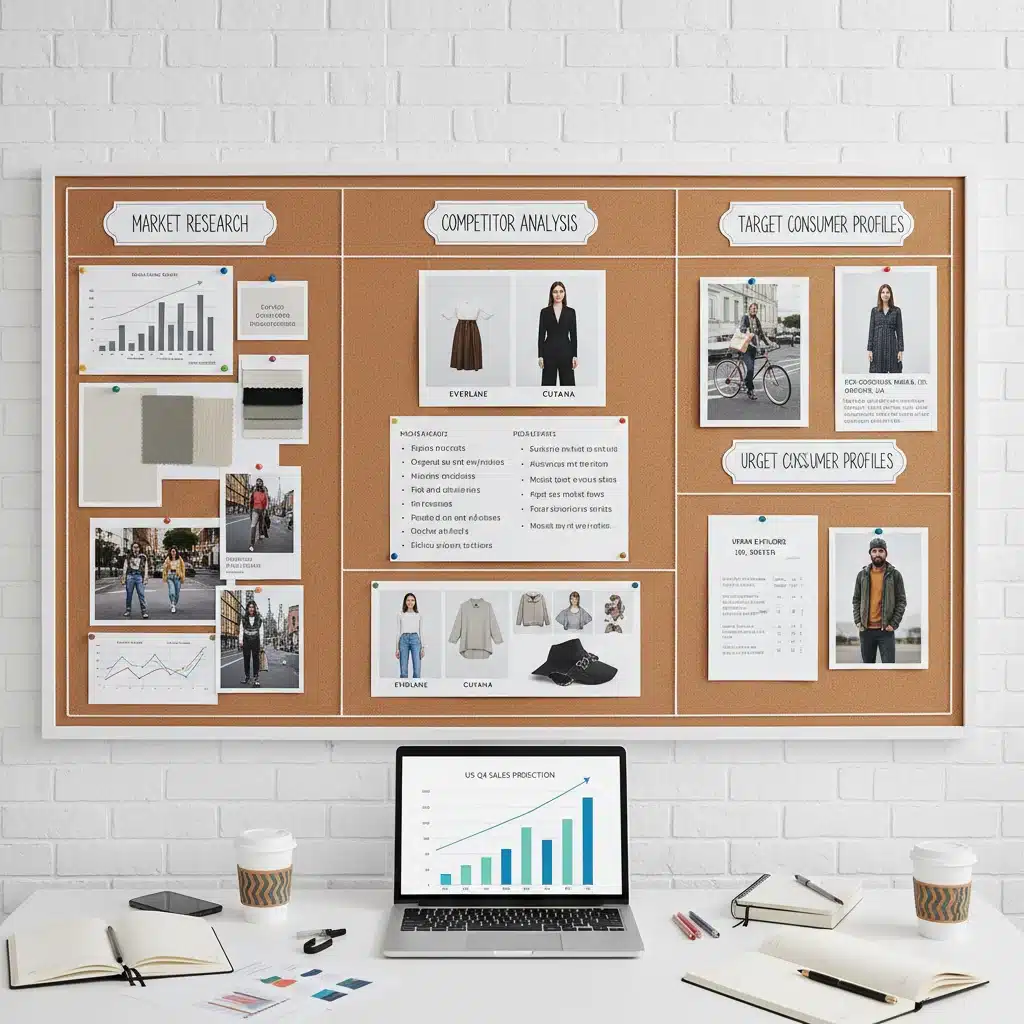
Before you even think about approaching retailers, you must have an intimate understanding of the US market and a crystal-clear vision of where your brand fits within it. This foundational step is non-negotiable for securing a successful US retail partnership.
Understand the US Retail Landscape
The US retail market is incredibly diverse, encompassing everything from luxury department stores and high-end boutiques to mid-tier chains and online-only platforms. Each segment caters to different demographics, price points, and aesthetic preferences. Your first task is to identify which segments align best with your brand’s identity and product offering.
- Demographics: Who is your ideal customer in the US? What are their spending habits, lifestyle, and values? Researching regional differences can also be crucial; what sells well in New York might not resonate in Texas.
- Competitor Analysis: Who are your direct and indirect competitors? What are their price points, distribution channels, marketing strategies, and unique selling propositions? Understanding their strengths and weaknesses will help you identify gaps in the market and differentiate your brand.
- Market Trends: Stay abreast of current fashion trends, consumer preferences (e.g., sustainability, ethical production, inclusivity), and retail innovations (e.g., experiential retail, omnichannel strategies). Retailers are always looking for brands that are relevant and forward-thinking.
- Retailer Research: Compile a target list of retailers. Don’t just pick names you know. Research their current brand matrix, their customer base, their buying cycles, and their overall brand aesthetic. Does your brand genuinely fit their existing offering? Look for retailers that champion emerging designers or have a history of successful partnerships with smaller brands.
Define Your Brand’s Unique Selling Proposition (USP)
In a saturated market, your brand needs to stand out. Your USP is what makes your brand different and desirable. It’s the core message that will resonate with retailers and consumers alike. Ask yourself:
- What problem does your product solve?
- What unique aesthetic or philosophy do you offer?
- What is the story behind your brand, and why is it compelling?
- What materials, techniques, or ethical practices set you apart?
- What is your brand’s core value proposition to the customer?
Your USP should be concise, memorable, and consistently communicated across all your brand touchpoints. It’s not just about having a great product; it’s about having a great story and a clear identity that retailers can confidently present to their customers. This clarity is paramount for any US retail partnership.
Refine Your Product Offering for the US Market
While your core aesthetic should remain consistent, you might need to make subtle adjustments to appeal to the US consumer. This could involve:
- Sizing: US sizing standards can differ from other regions. Ensure your sizing is accurate and inclusive for the target demographic.
- Pricing Strategy: Research typical retail markups (keystoning is common: wholesale price x 2 = retail price, but can vary) and ensure your wholesale pricing allows retailers a healthy margin while remaining competitive for the end consumer. Factor in duties, shipping, and other landed costs.
- Product Assortment: Consider if certain pieces or categories in your collection would perform better in the US market. Perhaps a specific color palette or material resonates more with American tastes.
- Seasonality: Understand the US fashion calendar and seasonal buying cycles. Retailers plan months in advance.
By meticulously researching and positioning your brand, you lay a robust foundation for approaching potential partners. This initial investment of time and effort will significantly increase your chances of securing a successful US retail partnership.
Step 2: Develop a Professional Sales Kit and Line Sheet
Once you understand the market and your brand’s position, the next crucial step is to prepare the tools that will represent your brand to potential retailers. A professional and comprehensive sales kit is essential for making a strong first impression and securing a US retail partnership.
Craft an Engaging Brand Story and Lookbook
Your lookbook is more than just a catalog of your products; it’s a visual narrative of your brand. It should captivate and inspire. For a US retail partnership, ensure it:
- Tells Your Story: Showcase your brand’s inspiration, philosophy, and the unique craftsmanship behind your designs. High-quality imagery is paramount.
- Highlights Key Pieces: Feature your strongest, most marketable pieces prominently. Use professional photography that captures the essence and quality of your garments.
- Reflects Your Aesthetic: Maintain a consistent visual identity that aligns with your brand’s overall image.
- Includes Lifestyle Shots: Show your garments on models in aspirational settings. This helps retailers envision how the clothes will look on their customers.
- Is Digitally Accessible: Provide a clean, easy-to-navigate digital version that can be shared via email or a private link.
Create a Detailed Line Sheet
The line sheet is the practical document that provides all the necessary information for a retailer to place an order. It must be clear, concise, and accurate. Key elements for a US retail partnership include:
- Product Images: High-quality, clear images of each product (front, back, and detail shots if necessary).
- Product Descriptions: Detailed descriptions including materials, fabrication, unique features, and care instructions.
- SKU Numbers: Unique stock-keeping unit numbers for each product and variation.
- Wholesale Pricing: Clearly state your wholesale prices.
- Suggested Retail Price (SRP): Provide an SRP to guide retailers on pricing for the end consumer.
- Available Sizes and Colors: List all options clearly.
- Minimum Order Quantity (MOQ): Specify the minimum number of units or total value required for an order. Be flexible if possible for initial orders with new partners.
- Order Terms: Payment terms (e.g., 50% deposit, net 30), lead times, and reorder policies.
- Shipping Information: Details on shipping costs, carriers, and timelines.
- Contact Information: Your brand’s contact details for inquiries and orders.
Prepare Your Terms & Conditions and Order Form
A clear set of terms and conditions protects both you and the retailer. This should cover:
- Returns and exchanges policy.
- Damaged goods policy.
- Intellectual property rights.
- Cancellation policies.
An easy-to-use order form (digital or printable) streamlines the buying process. Consider using a platform that allows for digital order placement and tracking.
Remember, your sales kit is often the first tangible interaction a retailer has with your brand. Invest time and resources into making it professional, informative, and visually appealing. A well-prepared sales kit demonstrates your professionalism and readiness for a US retail partnership.
Step 3: Financial Preparedness and Legal Considerations
Securing a US retail partnership goes beyond design and marketing; it requires sound financial planning and an understanding of legal obligations. Neglecting this step can lead to significant setbacks.
Understand Costs and Cash Flow
Wholesale requires a different financial model than direct-to-consumer sales. You need to be prepared for:
- Production Costs: Cost of materials, manufacturing, labor, and quality control for larger wholesale orders.
- Shipping and Logistics: Costs associated with shipping goods to retailers, including international shipping, customs duties, and import taxes if you’re not based in the US.
- Marketing and Sales Expenses: Costs for developing your sales kit, attending trade shows, and potential sales agent commissions.
- Payment Terms: Retailers often operate on net 30, net 60, or even net 90 payment terms, meaning you might not receive full payment until months after delivery. Ensure you have sufficient cash flow to cover production and operational costs during this period.
- Returns and Allowances: Account for potential returns, damaged goods, or markdown allowances that retailers may request.
Develop a detailed financial projection that includes your break-even point for wholesale orders and your profit margins. This will inform your pricing strategy and ensure the US retail partnership is financially viable for your brand.
Legal and Regulatory Compliance
Operating in the US market involves adherence to various legal and regulatory standards. Consult with legal and financial professionals specializing in international trade and fashion retail.
- Business Registration: If you plan to establish a significant presence, you might need to register your business in the US or work with a US-based entity.
- Taxation: Understand US federal, state, and local tax obligations, including sales tax, income tax, and import duties.
- Intellectual Property: Ensure your designs are protected in the US. Registering trademarks and copyrights can safeguard your brand.
- Product Safety and Labeling: Adhere to US product safety standards and labeling requirements (e.g., fiber content, country of origin, care instructions).
- Contracts: Have a clear, legally sound wholesale agreement ready. This should cover payment terms, delivery schedules, return policies, intellectual property, and dispute resolution. Never enter a US retail partnership without a signed agreement.
- Insurance: Consider product liability insurance to protect your business against claims related to product defects.
Proactive financial and legal planning will prevent costly mistakes and build trust with potential retail partners, demonstrating your professionalism and preparedness for a long-term US retail partnership.
Step 4: Strategic Outreach and Pitching to Retailers
With your brand positioned, your sales kit polished, and your financials in order, it’s time to actively pursue your target retailers. This step is about making connections and presenting your brand compellingly to secure a US retail partnership.
Identify Your Target Retailers
Based on your market research from Step 1, create a prioritized list of retailers. Focus on quality over quantity. A well-researched, personalized approach to a few ideal partners is more effective than a generic mass outreach. Consider:
- Boutiques vs. Department Stores: Smaller boutiques might be more accessible for a first US retail partnership, offering a chance to build a track record. Department stores offer wider reach but have higher entry barriers.
- Online vs. Brick-and-Mortar: Some retailers operate solely online, others have physical stores, and many have an omnichannel presence. Tailor your pitch to their specific model.
- Regional Focus: Start with retailers in specific regions where your brand might have a natural appeal or where you have existing connections.
Craft a Compelling Introduction and Pitch
Your initial outreach needs to be concise, professional, and impactful. Retail buyers are inundated with pitches, so yours must stand out. For a US retail partnership:
- Personalized Email: Avoid generic templates. Address the buyer by name and reference specific reasons why your brand is a perfect fit for their store. Mention specific products that align with their current offering.
- Highlight Your USP: Clearly articulate what makes your brand unique and why it will resonate with their customer base.
- Showcase Success: If you have any existing sales data, press mentions, or strong social media engagement, include it. This demonstrates demand and credibility.
- Keep it Brief: Buyers are busy. Get straight to the point and provide a clear call to action (e.g., ‘Would you be open to a 15-minute call to discuss further?’).
- Include a Teaser: Don’t attach your entire lookbook initially. Provide a link to a curated digital presentation or a few select images that pique their interest.
Networking and Trade Shows
While cold outreach is necessary, personal connections are often the most effective. Consider:
- Fashion Trade Shows: Attending relevant US trade shows (e.g., Coterie, Capsule, NY NOW) can be invaluable. It allows you to meet buyers face-to-face, showcase your collection, and get immediate feedback. Research which shows align with your brand’s aesthetic and target market.
- Industry Events: Attend industry events, seminars, and networking gatherings. You never know who you might meet.
- Sales Representatives/Showrooms: Consider partnering with a US-based sales representative or showroom that specializes in your product category. They have established relationships with buyers and can be instrumental in securing a US retail partnership, though they work on commission.
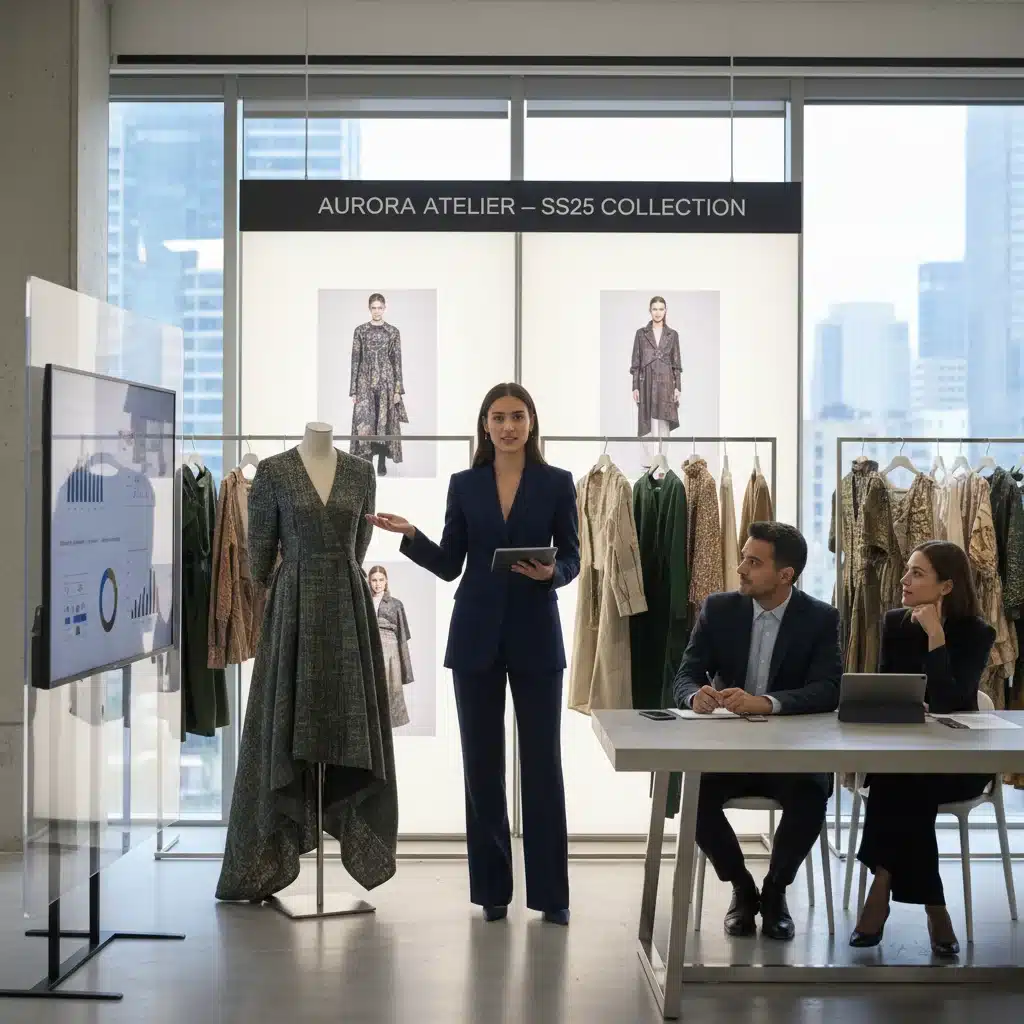
When pitching, be confident, knowledgeable about your product, and passionate about your brand. Be prepared to answer questions about production, delivery, marketing support, and your brand’s future vision. Every interaction is an opportunity to build a relationship that could lead to a lasting US retail partnership.
Step 5: Nurturing Relationships and Scaling for Growth
Securing your first US retail partnership is a significant milestone, but it’s just the beginning. The real work lies in nurturing these relationships and strategically planning for sustainable growth.
Provide Exceptional Customer Service to Retailers
Treat your retail partners as valued clients. Good communication and reliable service are paramount for long-term success. This includes:
- Timely Communication: Respond promptly to inquiries, provide regular updates on orders, and proactively communicate any potential delays.
- Accurate Deliveries: Ensure orders are shipped on time, accurately, and with proper documentation.
- Marketing Support: Offer retailers marketing assets such as high-resolution product images, lifestyle shots, brand story content, and social media mentions. Consider co-marketing opportunities.
- Product Knowledge: Provide training or detailed information to retail staff so they can effectively sell your products to their customers.
- Flexibility: While maintaining your terms, be open to discussing challenges or special requests. A collaborative approach fosters stronger relationships.
A positive experience for your first retail partners will lead to reorders, positive referrals, and a stronger reputation, paving the way for more US retail partnership opportunities.
Monitor Performance and Gather Feedback
Regularly track how your products are performing in stores. Ask for sales data and feedback from your retail partners. This information is invaluable for refining your product offering and strategy.
- Sales Analysis: Identify best-selling items, slow movers, and potential reasons behind their performance.
- Customer Feedback: Retailers are on the front lines. They hear directly from customers. Listen to their insights about fit, style, pricing, and overall satisfaction.
- Market Insights: Retailers can provide valuable perspectives on local market trends and consumer preferences that you might not be aware of.
Use this feedback to inform future collections, adjust your pricing, or modify your marketing approach. Demonstrating that you value their input strengthens the US retail partnership.
Plan for Sustainable Growth
As your brand gains traction, you’ll need a strategy for scaling your operations. Avoid overextending yourself too quickly, which can lead to production issues and damaged relationships.
- Production Capacity: Ensure your production capabilities can meet increased demand. Have contingency plans in place for larger orders.
- Financial Management: Reinvest profits wisely, manage cash flow, and continue to monitor your financial health.
- Team Expansion: As your business grows, you might need to hire additional staff for design, production, sales, or logistics.
- Strategic Expansion: Don’t rush to sign with every retailer. Continue to be selective and focus on partners that genuinely align with your brand’s vision and target audience.
- Innovate and Evolve: The fashion industry is dynamic. Continuously innovate your designs, explore new materials, and adapt to changing consumer demands to maintain relevance and secure future US retail partnership opportunities.
By consistently delivering quality, fostering strong relationships, and strategically planning for growth, your initial US retail partnership can become the springboard for a thriving and sustainable brand in the American market.
Conclusion: Your Path to a Successful US Retail Partnership
Securing your first US retail partnership as an emerging designer is an ambitious yet entirely attainable goal. It demands more than just exceptional design; it requires strategic thinking, meticulous preparation, and unwavering persistence. By systematically working through these five steps, you can demystify the process and position your brand for significant success in one of the world’s most vibrant retail landscapes.
Remember, the journey begins with a deep understanding of the US market and a clear definition of your brand’s unique place within it. This foundational knowledge will guide every subsequent decision, from refining your product offering to crafting your pitch. Your sales kit, including a compelling lookbook and a detailed line sheet, serves as your brand’s ambassador, making a critical first impression that can open doors to new opportunities.
Financial preparedness and legal diligence are the bedrock of any sustainable business venture. By understanding your costs, managing cash flow, and adhering to US regulations, you protect your brand and build a reputation for reliability and professionalism. This due diligence ensures that your US retail partnership is not only exciting but also financially sound and legally compliant.
Strategic outreach and a well-practiced pitch are your tools for engagement. Identifying the right retail partners, personalizing your communication, and leveraging networking opportunities are crucial for cutting through the noise and getting your brand noticed. Every interaction is a chance to tell your story and demonstrate why your brand belongs on their shelves.
Finally, the long-term success of any US retail partnership hinges on nurturing relationships and planning for sustainable growth. Providing exceptional service, actively seeking feedback, and strategically scaling your operations will transform initial orders into lasting collaborations and a robust presence in the market. Your dedication to these principles will not only secure your first partnership but will also lay the groundwork for a thriving and influential brand.
This year, let your creativity meet strategy. Embrace the challenge, follow this guide, and take the definitive steps towards realizing your dream of a successful US retail partnership. The American market awaits your unique vision and exceptional designs. Go forth and make your mark!