Method Acting in Doramas: Deep Dive into 8-Month Role Preparation
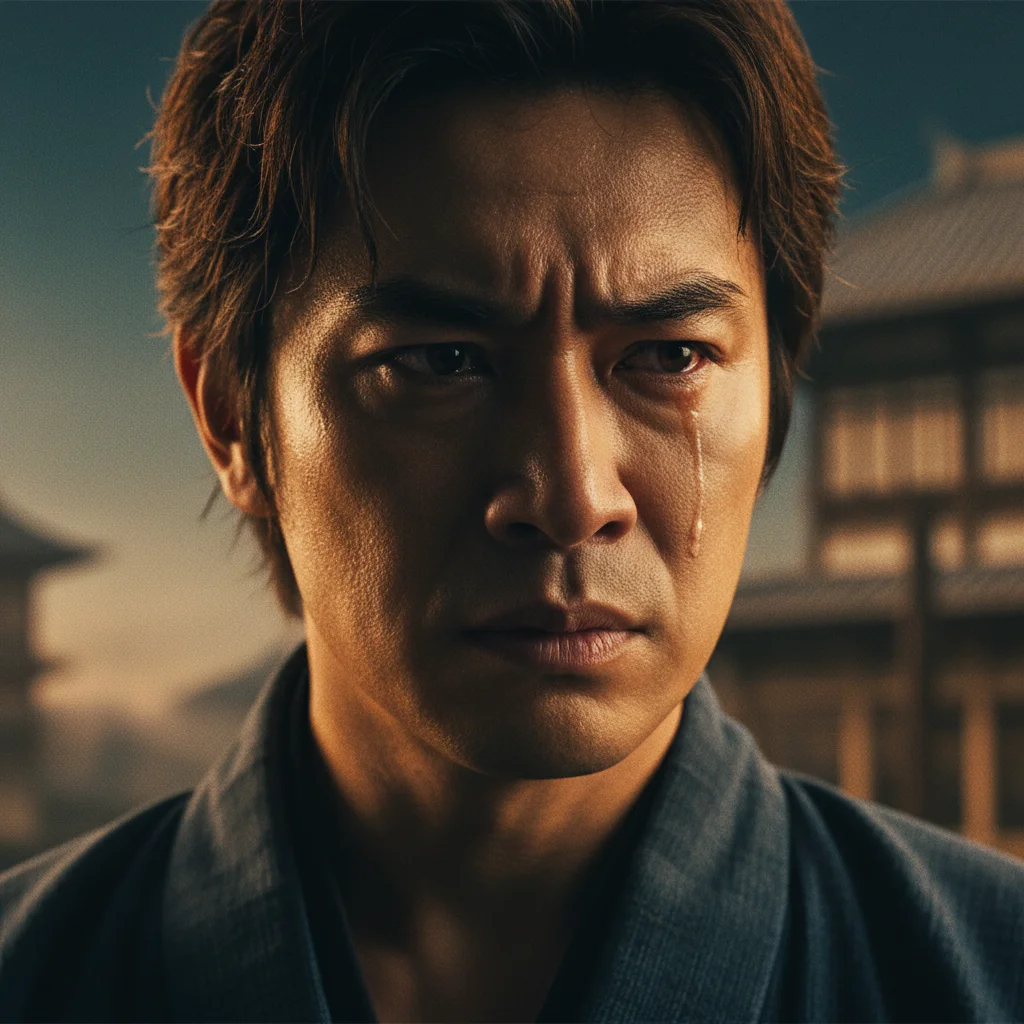
Method Acting in Doramas: A Deep Dive into How One Actor Prepared for a Challenging Role for 8 Months
In the vibrant and ever-evolving world of doramas, where captivating narratives and compelling characters reign supreme, the art of acting often transcends mere performance. It delves into the profound depths of human experience, demanding an unparalleled level of dedication and immersion from its practitioners. While many acting techniques exist, dorama method acting has emerged as a powerful force, pushing actors to new frontiers of authenticity and emotional resonance. This article takes an exclusive look behind the scenes, exploring the extraordinary journey of one actor who dedicated an astounding eight months to preparing for a single, challenging role. This isn’t just about memorizing lines; it’s about living, breathing, and becoming the character, a testament to the rigorous demands of dorama method acting.
Understanding Method Acting: More Than Just a Technique
Before we delve into our actor’s specific journey, it’s crucial to understand what method acting truly entails, especially in the context of doramas. Often misunderstood, method acting is not simply about staying in character 24/7. It’s a comprehensive approach to acting that encourages performers to draw upon their own emotions, experiences, and sense memory to create truthful and nuanced portrayals. Developed by Konstantin Stanislavski and later refined by figures like Lee Strasberg, Stella Adler, and Sanford Meisner, method acting seeks to create an internal, psychological connection to the character.
For a dorama actor, this can mean a profound commitment. Unlike Western productions which sometimes afford longer rehearsal periods, dorama filming schedules can be notoriously demanding. Therefore, the pre-production preparation becomes even more critical. An actor embracing dorama method acting must not only understand their character’s motivations but also embody their physical, emotional, and psychological landscapes before the cameras even begin to roll. This deep immersion is what allows for the raw, believable performances that often define the best doramas.
The Pillars of Method Acting Applied to Doramas
- Emotional Recall: Tapping into personal experiences to evoke genuine emotions relevant to the character’s journey. This is particularly potent in doramas known for their emotional depth.
- Sense Memory: Recreating sensory experiences (smell, touch, sight, sound, taste) to trigger specific emotional responses and physical reactions.
- Character Analysis: An exhaustive study of the character’s background, psychology, relationships, and objectives. For doramas, this often involves understanding complex family dynamics and societal pressures.
- Physical Transformation: Adapting posture, gait, vocal patterns, and even weight changes to align with the character’s physical presence.
- Immersion and Research: Living aspects of the character’s life, visiting their environment, or learning skills pertinent to the role. This is where our featured actor’s eight-month journey truly shines.
The Genesis of a Challenging Role: Eight Months to Become Another
Our subject, a renowned actor in the dorama industry (who wishes to remain anonymous to protect the integrity of their process), was cast in a role that demanded an extraordinary level of commitment. The character was complex: a former athlete suffering from a debilitating injury, grappling with severe depression, and slowly finding redemption through an unlikely passion. This wasn’t a character that could be superficially portrayed; it required a complete psychological and physical overhaul. The actor recognized this immediately, knowing that a typical preparation period wouldn’t suffice. Thus began an eight-month odyssey into the heart of dorama method acting.
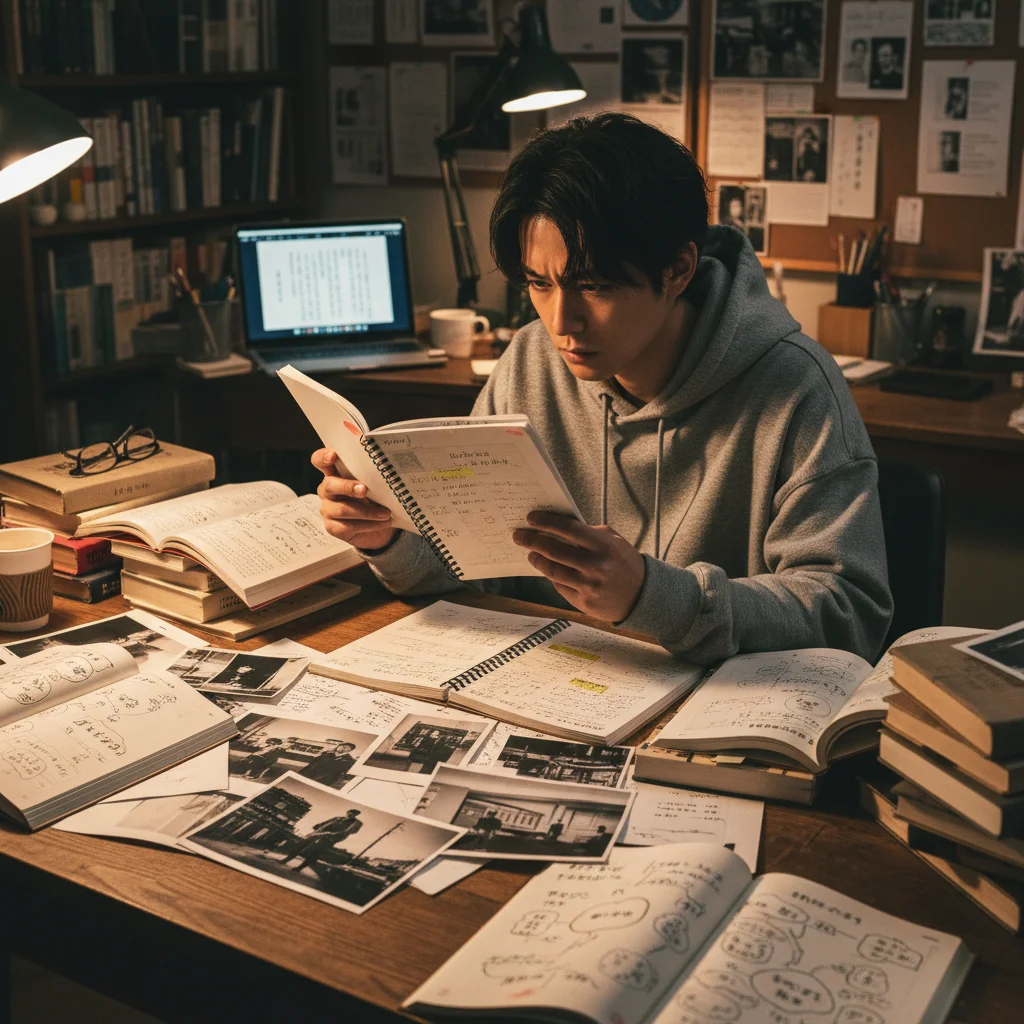
Phase 1: Deep Dive into the Script and Character Psychology (Months 1-2)
The initial two months were dedicated to an intense script analysis. This went far beyond simply understanding the plot. The actor worked closely with the director and writer, dissecting every line, every pause, and every subtext. They created extensive character biographies, imagining the character’s life from birth, their childhood experiences, their dreams, fears, and pivotal moments leading up to the story’s beginning. This meticulous approach is a cornerstone of effective dorama method acting.
Beyond the script, the actor immersed themselves in psychological research. They consulted with sports psychologists and therapists specializing in trauma and depression. They read case studies, watched documentaries, and listened to personal accounts of individuals who had experienced similar life-altering injuries and mental health struggles. The goal was not to mimic, but to truly comprehend the internal landscape of someone facing such profound challenges. This intellectual and emotional groundwork was crucial for building an authentic portrayal.
Phase 2: Physical Transformation and Embodiment (Months 3-5)
The character’s physical state was central to the narrative. The actor, naturally athletic, needed to convincingly portray someone whose body had been betrayed by injury and whose spirit was weighed down by despair. This phase of dorama method acting involved a multi-faceted approach:
- Movement Coaching: Working with a physical therapist and movement coach, the actor learned to mimic the gait, posture, and limitations of someone with the specific injury. This wasn’t about faking; it was about understanding the biomechanics and the constant pain, the subtle shifts in balance, and the way such an injury impacts everyday movements.
- Diet and Lifestyle Changes: To reflect the character’s initial decline and subsequent slow recovery, the actor meticulously adjusted their diet and exercise regimen. This wasn’t about vanity; it was about experiencing the physical and emotional impact of a body that is no longer functioning optimally, and then the gradual, often painful, process of rebuilding.
- Sensory Immersion: The actor spent time in rehabilitation centers, observing patients, listening to their stories, and even participating in some of the less strenuous therapy sessions. This direct exposure provided invaluable sensory details – the smells of the clinic, the sounds of machines, the expressions of hope and despair on faces – all contributing to a deeper understanding for their dorama method acting.
This period was physically and emotionally draining. The actor reported moments of intense frustration and sadness, as they allowed themselves to feel the echoes of their character’s pain. This willingness to endure discomfort for the sake of authenticity is a hallmark of dedicated method actors.
Phase 3: Skill Acquisition and Environmental Immersion (Months 6-7)
The character’s journey of redemption involved discovering a new passion – a specific artistic skill. To portray this convincingly, the actor undertook intensive training in this skill. For two months, they dedicated several hours daily to mastering the basics, learning from experts, and experiencing the frustrations and small victories that come with learning something entirely new.
Furthermore, the actor immersed themselves in the character’s environment. They visited the specific types of locations where the character lived and worked, spending time observing the daily routines, the atmosphere, and the people. This environmental immersion allowed them to internalize the character’s world, making their reactions and interactions feel instinctively natural rather than rehearsed. This level of dedication is what sets apart exceptional performances in dorama method acting.
Phase 4: Integration and Refinement (Month 8)
The final month was dedicated to integrating all the accumulated knowledge, physical changes, and emotional understanding. This involved:
- Intensive Rehearsals: Working with the director to block scenes, explore nuances, and refine interactions. By this point, the character felt like an extension of the actor, allowing for spontaneous and truthful responses.
- Costume and Makeup Tests: These weren’t just about aesthetics; they were about how the costume felt on the body, how the makeup altered facial expressions, and how these elements further solidified the character’s identity.
- Maintaining the ‘State’: Even outside of rehearsals, the actor made conscious choices to maintain aspects of the character’s emotional and physical state, ensuring a seamless transition into filming. This doesn’t mean living as the character 24/7, but rather keeping the character’s essence close to the surface.
By the time filming began, the actor wasn’t simply playing a role; they had become the character. The eight months of preparation had forged an unbreakable bond between performer and persona, promising a performance of profound depth and authenticity, a true masterclass in dorama method acting.

The Impact of Such Rigorous Preparation on Performance and Industry
The dedication exhibited by this actor, and others who employ similar methods, has a tangible impact on the quality of doramas. When an actor invests so deeply, their performance transcends mere acting; it becomes an experience for the viewer. The emotional truth, the subtle gestures, the nuanced expressions – all are products of this rigorous dorama method acting. Viewers connect more deeply with characters who feel real, whose struggles and triumphs resonate on a personal level.
Benefits for the Actor
- Deeper Understanding: A profound connection to the character, leading to more authentic portrayals.
- Increased Confidence: Knowing they have done everything possible to prepare instills a sense of confidence in their performance.
- Artistic Growth: Each challenging role becomes an opportunity for personal and artistic development, pushing the actor’s boundaries.
Benefits for the Production
- Elevated Quality: Method acting often results in performances that elevate the entire production, making the dorama more compelling and memorable.
- Critical Acclaim: Authenticity and depth often lead to critical recognition and awards.
- Audience Engagement: Viewers are more likely to become invested in characters and stories that feel genuinely portrayed.
Challenges and Criticisms of Dorama Method Acting
While the benefits are clear, dorama method acting is not without its challenges and criticisms. The intense immersion can take a significant toll on an actor’s mental and physical health. The lines between self and character can blur, leading to emotional exhaustion, identity crises, and difficulty disengaging from the role once production wraps. The actor in our case study reported needing a significant period of ‘decompression’ after filming to fully return to themselves.
Furthermore, the time commitment involved in such extensive preparation is not always feasible within the fast-paced dorama production model. Not every actor, nor every production, can afford an eight-month lead time for preparation. This makes the commitment of our featured actor all the more remarkable. There’s also a debate within the acting community about the necessity and efficacy of such extreme methods, with some advocating for techniques that allow for greater emotional distance and self-preservation.
Navigating the Psychological Toll
Actors who engage in deep dorama method acting often develop strategies to protect their well-being:
- Strong Support System: Having trusted friends, family, or a therapist to talk to can help process the emotional weight of the role.
- Clear Boundaries: Learning to consciously separate the character from oneself after filming hours, even if it’s a gradual process.
- Self-Care Practices: Engaging in hobbies, exercise, or mindfulness to ground oneself in reality.
- Post-Production Debriefing: Some actors find it helpful to discuss their experience with a professional to fully ‘shed’ the character.
The Future of Dorama Method Acting
As doramas continue to gain global prominence and push creative boundaries, the demand for authentic, multi-layered performances will only grow. While not every role will require an eight-month preparation period, the principles of dorama method acting – deep character analysis, emotional truth, and physical embodiment – will remain invaluable tools for actors seeking to deliver truly memorable portrayals. The story of this actor’s eight-month journey serves as an inspiring example of the dedication and artistry that goes into crafting the beloved characters we see on screen.
It highlights a trend towards greater realism and psychological depth in dorama storytelling, where actors are increasingly expected to bring not just talent, but a profound understanding of the human condition to their roles. This commitment to craft ultimately enriches the viewing experience, making doramas not just entertaining, but deeply moving and thought-provoking.
In conclusion, the journey of an actor preparing for a challenging dorama role using method acting is a testament to the power of human dedication and artistic commitment. It’s a process fraught with challenges but ultimately yields performances that resonate deeply with audiences worldwide. The eight months of tireless effort, research, transformation, and immersion culminate in a portrayal that is not just acted, but truly lived, solidifying the place of dorama method acting as a formidable force in contemporary entertainment.
The commitment to understanding every facet of a character, from their deepest fears to their most hopeful dreams, ensures that the narratives presented in doramas are not merely told, but felt. This deep dive into one actor’s remarkable preparation underscores the profound artistry and psychological journey involved in bringing complex dorama characters to life, making every minute on screen a truly authentic and unforgettable experience for the viewer. It’s a powerful reminder that behind every compelling performance is often a story of immense personal and professional dedication.