Fitness Gear Trends 2026: 5 Performance-Enhancing Picks for Your Workout Routine
Fitness Gear Trends 2026: 5 Performance-Enhancing Picks for Your Workout Routine
The fitness landscape is constantly evolving, driven by innovation, scientific advancements, and a growing global emphasis on health and well-being. As we look ahead to 2026, the convergence of technology and athleticism promises a new era of training possibilities. Gone are the days of simple weights and basic cardio machines; the future of fitness is intelligent, personalized, and incredibly efficient. This article delves into the most exciting fitness gear trends set to dominate the market in 2026, offering insights into how these performance-enhancing picks can revolutionize your workout routine and help you achieve your peak physical potential.
Understanding these emerging fitness gear trends isn’t just about staying current; it’s about strategically investing in tools that provide tangible benefits, from injury prevention to accelerated recovery and optimized performance. Whether you’re a seasoned athlete, a dedicated gym-goer, or someone just starting their fitness journey, integrating these advanced pieces of equipment and technology can significantly impact your results. We’ll explore five key areas where innovation is thriving, providing a comprehensive guide to what you can expect and how to leverage these advancements for a superior fitness experience.
The Evolution of Fitness: Why 2026 is a Game Changer for Gear
The fitness industry is on an exponential growth curve, with projections indicating continued expansion. This growth is fueled by a collective desire for healthier lifestyles, coupled with rapid technological progress. In 2026, we anticipate a significant leap in how we interact with our workouts, moving beyond mere physical exertion to a more data-driven, personalized, and engaging experience. The focus of new fitness gear trends is shifting towards holistic well-being, integrating mental health, sleep patterns, and nutrition tracking alongside traditional performance metrics.
What makes 2026 particularly exciting for fitness gear? It’s the maturation of several key technologies. Artificial intelligence (AI) and machine learning (ML) are no longer just buzzwords; they are becoming deeply embedded in our workout tools, offering predictive analytics and adaptive training programs. Advanced sensor technology is miniaturizing, becoming more accurate, and seamlessly integrating into everyday apparel and equipment. Furthermore, the push for sustainability and eco-friendly manufacturing is influencing design choices, leading to more durable and environmentally conscious products. These factors combine to create a fertile ground for revolutionary fitness gear trends that promise to redefine what’s possible in personal training.
Advertisements
The consumer demand for convenience, effectiveness, and personalization is also a major driver. People want workouts that fit into their busy schedules, offer measurable progress, and cater to their specific needs and goals. This demand is pushing manufacturers to develop gear that is not only high-performing but also intuitive, user-friendly, and capable of providing real-time, actionable insights. As we dive into the specific trends, you’ll see how these overarching themes play out in the design and functionality of the top picks for 2026.
1. AI-Powered Smart Wearables: Your Personal Performance Coach
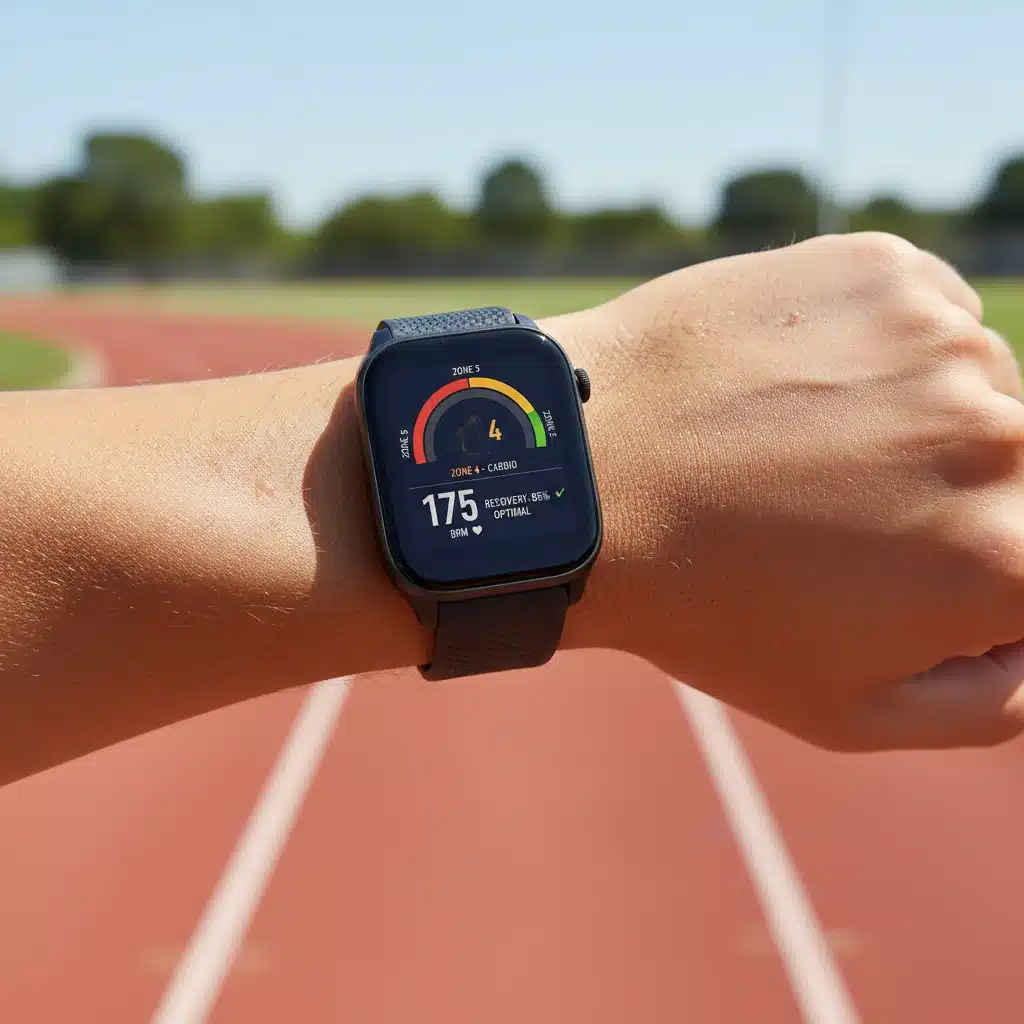
Smart wearables have been a staple in fitness for years, but in 2026, they are evolving into sophisticated AI-powered personal coaches. These aren’t just step counters or heart rate monitors; they are comprehensive biometric analysis systems that understand your body’s unique responses to training, stress, and recovery. The latest fitness gear trends in wearables focus on predictive analytics, offering guidance before issues arise rather than just reporting on them after the fact.
Imagine a device that not only tracks your sleep but also analyzes its quality in relation to your previous day’s workout, predicting your optimal training intensity for the next session. Or a wearable that detects early signs of overtraining or potential injury risks based on subtle changes in your gait, muscle activation patterns, or heart rate variability. These advanced wearables will leverage vast datasets and machine learning algorithms to provide hyper-personalized recommendations for everything from hydration and nutrition to recovery protocols and workout adjustments. They will learn your habits, understand your physiological responses, and adapt their coaching in real-time, making every workout more effective and safer.
Key features to look for in 2026’s AI-powered smart wearables include: advanced multi-sensor arrays (beyond just optical heart rate, think galvanic skin response, continuous glucose monitoring, and even lactate threshold estimation), sophisticated AI engines for predictive analytics, seamless integration with other smart gym equipment, and intuitive user interfaces that present complex data in easily digestible formats. These devices will move beyond passive tracking to active, intelligent guidance, making them indispensable tools for anyone serious about optimizing their health and performance. This represents a significant leap in fitness gear trends, empowering users with data-driven insights previously only available to elite athletes.
2. Augmented Reality (AR) Integrated Training Systems: Immersive Workouts
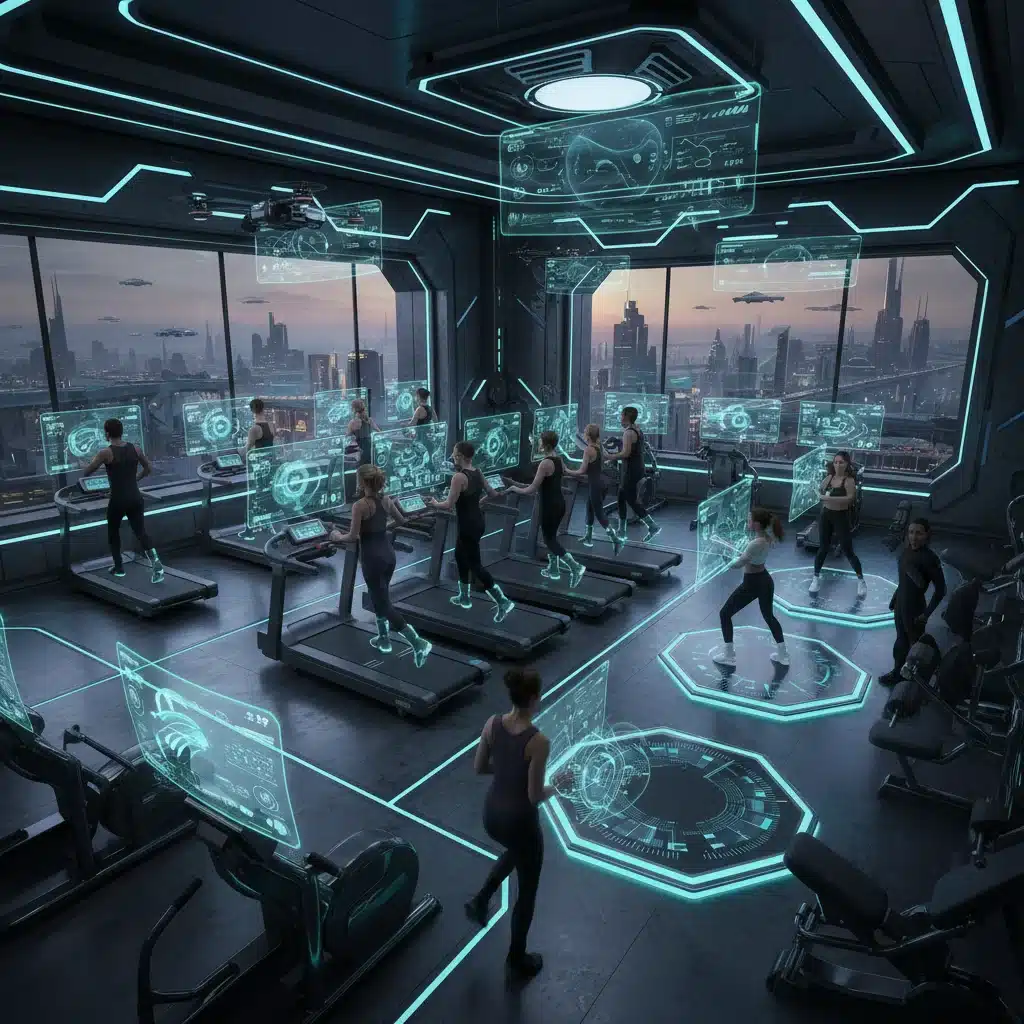
Augmented Reality (AR) is poised to transform the home and gym workout experience, moving beyond virtual reality’s complete immersion to seamlessly blend digital information with your physical environment. This is one of the most exciting fitness gear trends, promising to make workouts more engaging, interactive, and effective. AR-integrated training systems will project virtual coaches, interactive metrics, and immersive environments directly onto your workout space, providing a dynamic and personalized experience.
Picture a home gym where your mirror transforms into a personal trainer, overlaying form corrections, target zones, and motivational cues directly onto your reflection. Or imagine a treadmill that projects a scenic trail onto the wall in front of you, complete with interactive challenges and real-time environmental data that adapts to your pace. These systems will utilize advanced computer vision to track your movements, providing instant feedback on form, repetition count, and effort levels, ensuring you perform exercises correctly and safely. The gamification aspect of AR will also play a crucial role, turning routine workouts into engaging challenges that keep you motivated and consistent.
Beyond visual overlays, AR systems in 2026 will integrate haptic feedback and spatial audio to create truly multi-sensory experiences. This means you might ‘feel’ the resistance of a virtual weight or hear your coach’s instructions spatially, making the virtual interaction feel more real. The accessibility of these systems will also increase, with more affordable AR glasses and projector-based solutions becoming mainstream. For gyms, AR will enable more efficient class management and personalized experiences for members, even during group sessions. This fusion of the digital and physical worlds through AR is set to redefine the boundaries of what a workout can be, making it a pivotal component of future fitness gear trends.
3. Smart Resistance Training Equipment: Precision and Progress
Resistance training is fundamental to building strength and muscle, and in 2026, smart resistance equipment is taking precision and progress to an entirely new level. These innovations are addressing common challenges like improper form, plateauing, and inconsistent tracking, making them essential fitness gear trends for serious lifters and beginners alike. We’re talking about weights, bands, and machines that not only provide resistance but also intelligently adapt to your strength, track every rep, and analyze your performance in real-time.
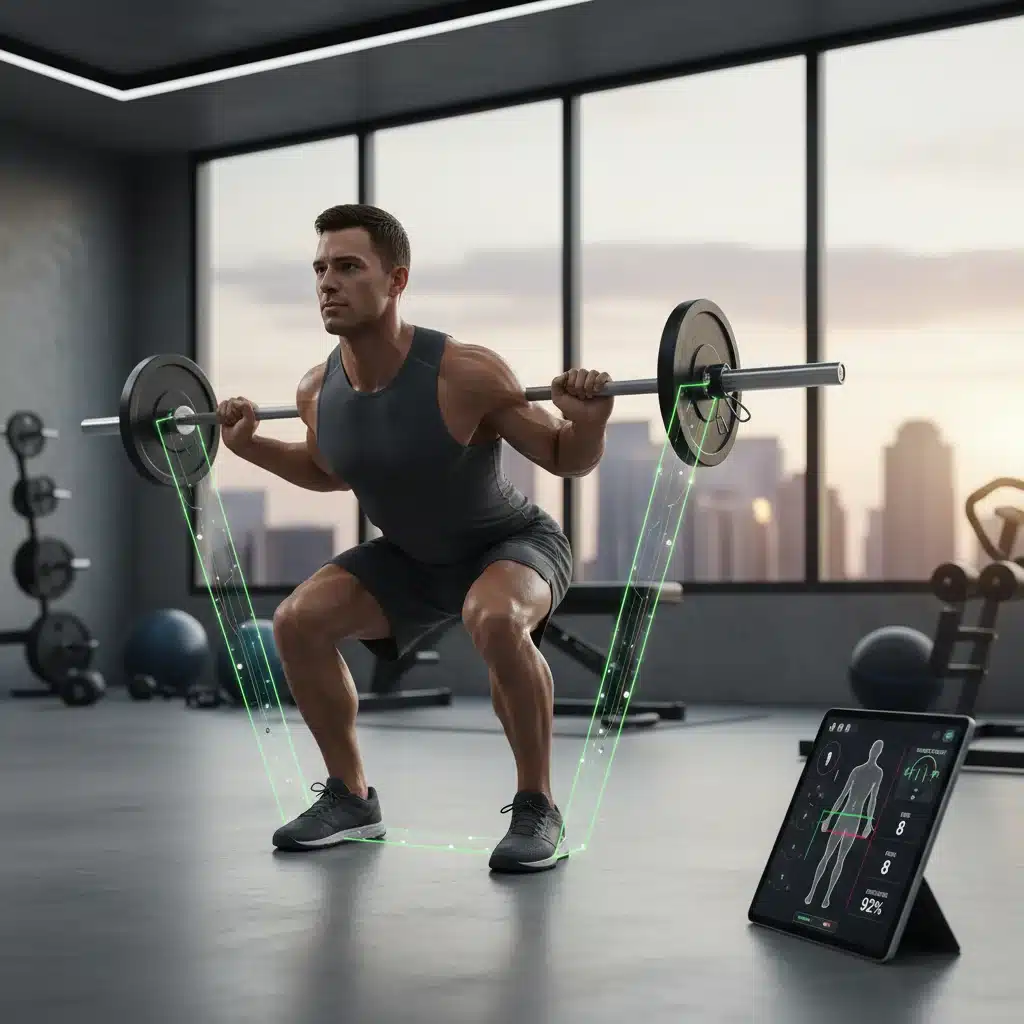
The next generation of smart dumbbells, barbells, and resistance machines will feature integrated sensors that measure force, velocity, range of motion, and even muscle activation. This data is then fed into AI algorithms that can identify weaknesses, suggest optimal weight adjustments, and even detect muscular imbalances. Imagine a smart squat rack that tells you if your bar path is off, or a smart cable machine that automatically adjusts resistance throughout the movement to match your strength curve, ensuring constant tension and maximizing muscle engagement. This dynamic resistance capability is a game-changer, allowing for more effective progressive overload and reducing the risk of injury from inappropriate loading.
Beyond individual pieces of equipment, integrated smart gym ecosystems will emerge, where all your resistance training gear communicates to build a comprehensive profile of your strength and progress. This holistic approach will allow for personalized programming that evolves with you, preventing plateaus and continuously challenging your muscles. Furthermore, the gamification of strength training, with virtual coaches and competitive leaderboards, will add an extra layer of motivation. These advancements in smart resistance training equipment are not just about lifting heavier; they’re about lifting smarter, more efficiently, and with greater insight, solidifying their place among the top fitness gear trends.
4. Advanced Recovery Technologies: Optimizing Regeneration
While intense workouts are crucial for progress, effective recovery is equally, if not more, important for sustained performance and injury prevention. The fitness gear trends of 2026 are placing a significant emphasis on advanced recovery technologies, moving beyond traditional stretching and foam rolling to incorporate sophisticated tools that accelerate muscle repair, reduce inflammation, and improve overall regeneration. These innovations are designed to get you back to peak performance faster and safer.
One major area of development is personalized active recovery systems. Think smart compression garments that utilize targeted pneumatic compression or even electrical muscle stimulation (EMS) to improve blood flow and lymphatic drainage, tailored to your specific muscle groups and workout intensity. These garments will be integrated with your smart wearables, automatically initiating recovery protocols based on your training data. Another significant trend is advanced percussive therapy devices and smart massage tools that use AI to identify muscle knots and tension points, then apply precise pressure and vibration patterns for optimal release.
Beyond physical therapies, expect to see an integration of light therapy (red light and near-infrared) and electromagnetic field (PEMF) therapy devices becoming more accessible for home use. These technologies have shown promise in reducing inflammation, promoting cellular repair, and improving sleep quality, all vital components of effective recovery. Furthermore, smart sleep systems that monitor sleep stages, breathing patterns, and environmental factors will provide actionable insights to optimize your body’s most powerful recovery tool: sleep. By focusing on comprehensive and personalized recovery, these fitness gear trends are ensuring that athletes of all levels can train harder and recover smarter.
5. Sustainable and Biometric-Adaptive Apparel: Performance Meets Planet
The final, but by no means least important, of the fitness gear trends for 2026 is the rise of sustainable style and biometric-adaptive apparel. Consumers are increasingly conscious of their environmental footprint, and the fitness industry is responding with innovative materials and manufacturing processes. Simultaneously, clothing is no longer just about comfort and style; it’s becoming an integral part of performance monitoring and enhancement.
Sustainable fitness apparel will move beyond recycled plastics to incorporate truly biodegradable fabrics, bio-engineered materials, and closed-loop manufacturing systems that minimize waste and energy consumption. Expect to see clothing made from plant-based fibers, algae, and even lab-grown materials that offer superior performance characteristics while being environmentally responsible. Durability will also be a key focus, as longer-lasting gear reduces the need for frequent replacements, further contributing to sustainability efforts. This commitment to eco-friendly practices is reshaping the entire supply chain for athletic wear.
On the biometric-adaptive front, intelligent textiles will integrate micro-sensors directly into the fabric, providing passive yet continuous monitoring of vital signs, muscle activity, and even sweat composition. Imagine a running shirt that tracks your hydration levels and electrolyte balance in real-time, or compression shorts that monitor muscle fatigue and provide targeted support. These garments will be lightweight, comfortable, and seamlessly connect with your smart wearables and training apps, offering a truly invisible layer of performance tracking and support. The ability of apparel to adapt to your body’s needs – whether through temperature regulation, targeted compression, or integrated feedback – makes it a crucial element in the future of fitness gear trends, blending high performance with a strong commitment to the planet.
Integrating the Trends: Building Your 2026 Workout Ecosystem
The true power of these fitness gear trends for 2026 lies not just in individual innovations, but in their synergistic integration. Imagine a cohesive ecosystem where your AI-powered smart wearable communicates with your AR training system, which in turn guides your use of smart resistance equipment, all while you’re clad in biometric-adaptive apparel. Post-workout, your advanced recovery tech kicks in, informed by the data collected during your session. This interconnected approach creates a truly personalized, optimized, and incredibly efficient fitness journey.
For example, your smart wearable could detect a dip in your energy levels and suggest a lighter, recovery-focused AR yoga session instead of your planned heavy lifting. Your smart resistance bands could then adjust the workout intensity based on your real-time fatigue, preventing overexertion. After the session, the wearable could trigger your smart compression boots to initiate a specific recovery program tailored to the muscles you just worked, ensuring optimal regeneration. This level of intelligent, adaptive training is what sets 2026 apart.
When considering investments in these future fitness gear trends, think about how each piece of technology complements the others. Look for products that offer open APIs or robust compatibility with existing platforms to ensure a seamless experience. Prioritize gear that provides actionable insights rather than just raw data. The goal is to build a personal fitness ecosystem that supports your unique goals, adapts to your changing needs, and makes your journey towards peak performance more intelligent, enjoyable, and sustainable. The future of fitness is here, and it’s smarter than ever.