From Child Star to Leading Man: The Evolution of Lee Min-ho’s Dorama Career Over 10 Years
In the vibrant and ever-expanding universe of South Korean entertainment, few names resonate with as much global recognition and adoration as Lee Min-ho. His journey from a promising young talent to an undisputed global icon has been nothing short of spectacular. Over the past decade, Lee Min-ho has not only captivated audiences with his undeniable charisma and striking visuals but has also demonstrated a remarkable evolution in his acting prowess, taking on diverse roles that have solidified his status as a leading man in the dorama industry. This article delves deep into the fascinating trajectory of Lee Min-ho evolution, tracing his path from his early career defining roles to his most recent, critically acclaimed performances, and examining the impact he has had on the Hallyu wave.
The landscape of K-dramas has transformed dramatically over the last ten years, moving from a niche market to a global phenomenon. At the forefront of this expansion, Lee Min-ho has been a consistent and powerful force, consistently delivering performances that transcend cultural barriers and attract millions of viewers worldwide. His ability to embody complex characters, from the arrogant chaebol heir to the stoic emperor, has showcased his versatility and dedication to his craft. This comprehensive look at his career will highlight the key milestones, the challenges he overcame, and the lasting legacy he is building.
The Genesis of a Star: Early Career and Breakthrough (2009-2012)
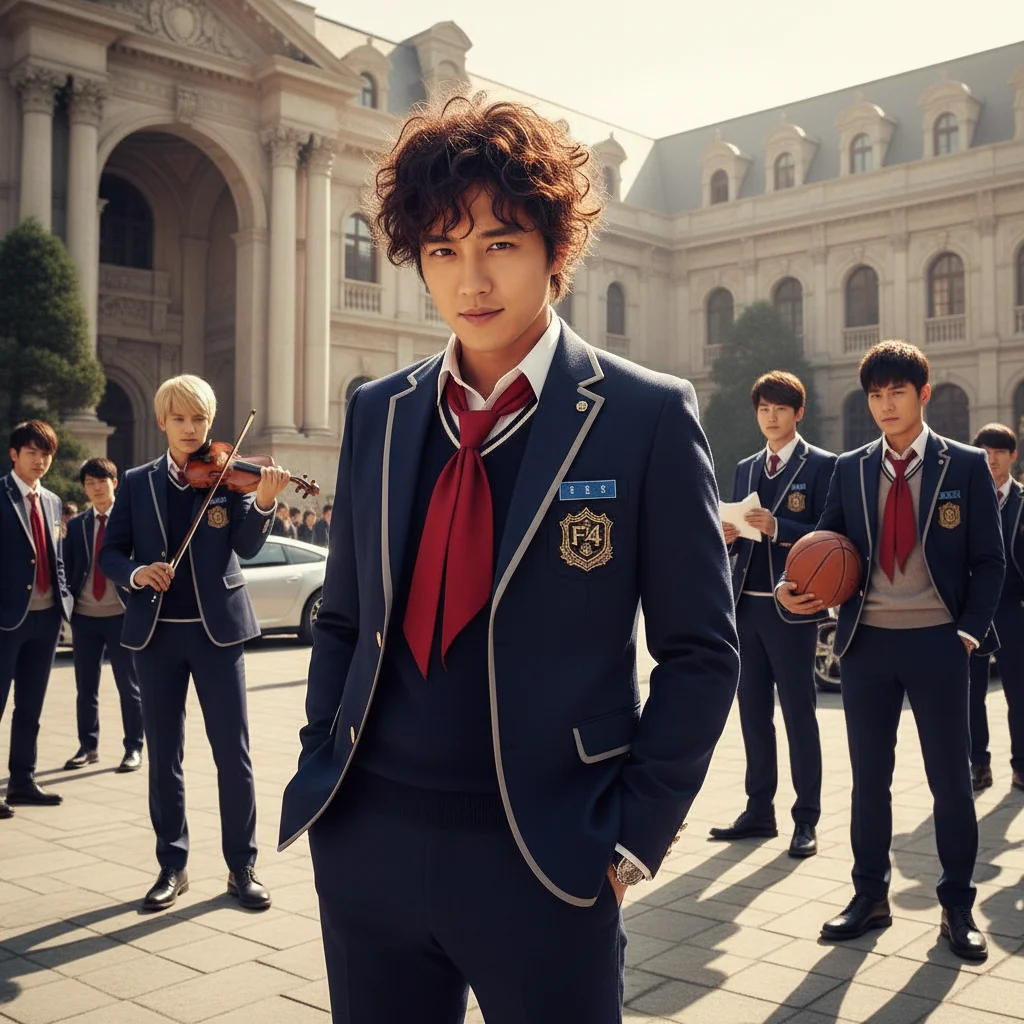
While our focus is on the last decade, it’s impossible to discuss Lee Min-ho evolution without acknowledging the role that propelled him to superstardom: Gu Jun-pyo in the 2009 hit drama, Boys Over Flowers. Although technically outside our 10-year window, this role set the stage for everything that followed, defining his image as the quintessential ‘flower boy’ and establishing him as a household name not just in Korea, but across Asia. The drama’s immense popularity introduced the world to his magnetic screen presence and his ability to portray a character with both arrogance and underlying vulnerability.
Following this explosive debut, Lee Min-ho quickly capitalized on his newfound fame. His subsequent roles demonstrated a clear intent to diversify and refine his acting skills. In 2010, he took on the lead role in Personal Taste, a romantic comedy that allowed him to explore a lighter, more comedic side. This drama proved he wasn’t a one-hit wonder and could carry a series with a different tone, showcasing his range beyond the intense, brooding character of Gu Jun-pyo. His performance as Jeon Jin-ho, a seemingly cold architect who pretends to be gay, earned him praise for his nuanced portrayal of a character navigating personal and professional challenges.
The year 2011 brought another pivotal role with City Hunter. This action-packed drama marked a significant turning point in his career. Lee Min-ho underwent rigorous training for the demanding fight sequences, showcasing a more mature and physically capable side. As Lee Yoon-sung, a vigilante seeking revenge, he demonstrated a compelling blend of intense action, emotional depth, and romantic chemistry. City Hunter was a massive success, not only in Korea but also internationally, further cementing his status as a top-tier Hallyu star and proving his versatility across genres. This role was crucial in the Lee Min-ho evolution, moving him beyond the ‘pretty boy’ image towards a more serious, action-oriented leading man.
His work in Faith (2012) saw him delve into historical fantasy, playing a Goryeo-era general. This period drama presented new challenges, requiring him to master historical dialogue and fight choreography, further expanding his acting repertoire. While Faith had mixed reviews, it undeniably showcased his commitment to taking on challenging roles and continuing his growth as an actor. Each of these early roles contributed significantly to shaping the formidable actor he would become, laying a strong foundation for the next decade of his career.
Solidifying Stardom: Global Recognition and Iconic Roles (2013-2016)
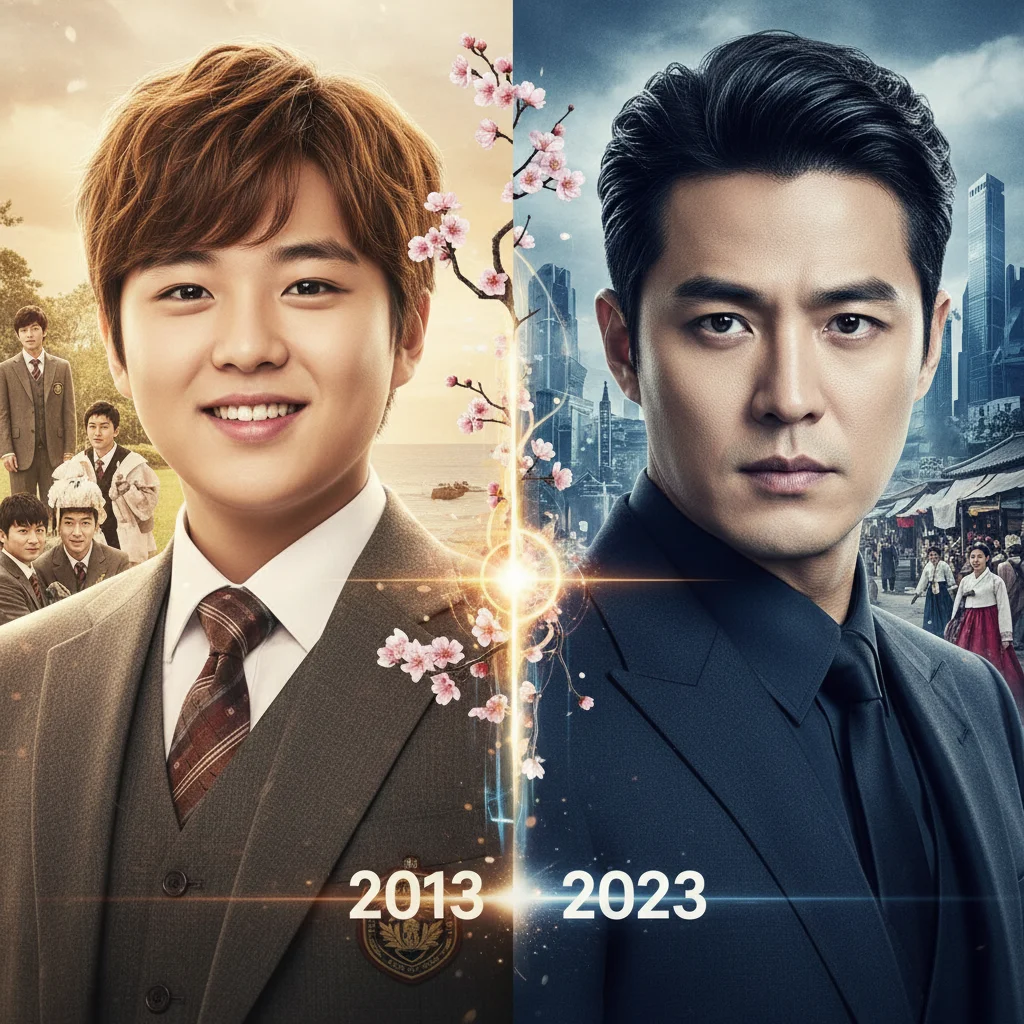
The mid-2010s were a period of immense growth and global expansion for Lee Min-ho. His return to the high school drama genre in 2013 with The Heirs (also known as The Inheritors) was met with overwhelming enthusiasm. As Kim Tan, a wealthy heir exiled to the U.S. who falls for a poor girl, he once again captivated audiences with his portrayal of a privileged yet conflicted young man. The drama’s immense popularity, particularly in China and other Asian countries, solidified his position as an unparalleled Hallyu star. The Heirs became a cultural phenomenon, further boosting his international appeal and demonstrating the power of Lee Min-ho evolution in maintaining relevance across different narratives.
The success of The Heirs led to an unprecedented level of global recognition, with Lee Min-ho becoming one of the most sought-after actors for endorsements and fan meetings worldwide. He was not just an actor; he was a cultural ambassador, representing Korean entertainment on a global stage. His fan base grew exponentially, forming dedicated communities that celebrated his every move. This period marked a significant shift where his influence extended far beyond traditional drama viewership, transforming him into a true global influencer.
In 2016, Lee Min-ho returned to the small screen with The Legend of the Blue Sea, starring opposite the equally iconic Jun Ji-hyun. This fantasy romance drama saw him take on dual roles: a cunning con artist in the present day and a nobleman in the Joseon era. This was a significant challenge, requiring him to switch between vastly different personalities and historical contexts. His performance showcased a refined comedic timing and a deeper emotional range, particularly in his portrayal of the con artist Heo Joon-jae, who gradually falls in love with a mermaid. The drama was another commercial success, reinforcing his ability to lead major productions and deliver compelling performances across complex narratives. This role exemplified his continued Lee Min-ho evolution, proving his capability to handle intricate character development and maintain strong chemistry with his co-stars.
During this era, Lee Min-ho also ventured into film, starring in the 2015 action-comedy Gangnam Blues, a gritty noir film that showcased a darker, more intense side of his acting. He then took on a leading role in the Chinese-Korean co-production film Bounty Hunters (2016), further expanding his reach into the lucrative Chinese market. These film projects, while different in scope and audience, allowed him to experiment with various genres and demonstrate his versatility beyond television dramas. His commitment to diverse projects during this period was a clear indicator of his ambition to be more than just a dorama star, but a respected actor across all mediums.
The Hiatus and Triumphant Return: Military Service and Beyond (2017-Present)
Like all able-bodied South Korean men, Lee Min-ho fulfilled his mandatory military service, enlisting in May 2017 and being discharged in April 2019. This period marked a temporary hiatus from the entertainment industry, a common phase for many male K-drama stars. However, anticipation for his return was immense, with fans eagerly awaiting his next project. His return was one of the most anticipated events in the K-drama world, demonstrating the enduring power of his star appeal and the loyalty of his global fanbase.
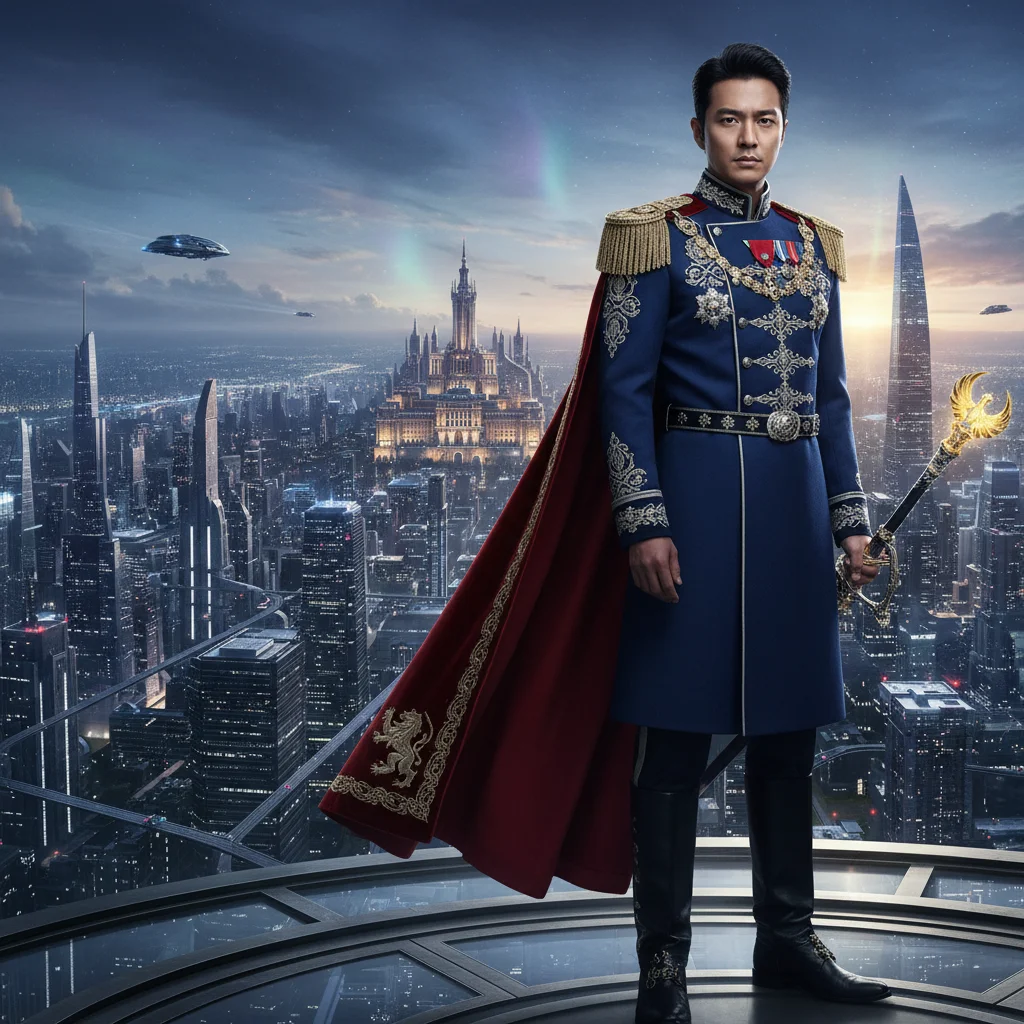
His much-anticipated comeback project was The King: Eternal Monarch (2020), a grand fantasy romance written by the acclaimed Kim Eun-sook (the same writer behind The Heirs and Descendants of the Sun). In this drama, Lee Min-ho played Emperor Lee Gon, a modern-day monarch of a parallel universe’s Korean Empire, who crosses over to the Republic of Korea. This role was a significant step in his Lee Min-ho evolution. He portrayed a character of immense power, intelligence, and gravitas, yet with an underlying vulnerability and yearning for connection. The drama’s complex narrative, involving parallel worlds and intricate relationships, allowed him to showcase a more mature and nuanced acting style. While the drama received mixed reviews in Korea, it was a massive international hit, particularly on Netflix, proving his continued global appeal and the strength of his brand.
The King: Eternal Monarch was not just a return; it was a statement. It showed that Lee Min-ho was ready to take on roles that challenged him artistically and demanded a higher level of performance. He seamlessly transitioned from the youthful charm of his earlier roles to the commanding presence required of an emperor, demonstrating a significant leap in his acting maturity. His portrayal of Lee Gon was sophisticated and layered, a testament to his growth as an actor over the past decade.
Most recently, Lee Min-ho took on a completely different challenge with Apple TV+’s critically acclaimed series Pachinko (2022). Based on the bestselling novel by Min Jin Lee, this drama marked his first English-language project and a significant departure from his usual romantic lead roles. In Pachinko, he plays Koh Hansu, a complex and morally ambiguous fish broker with ties to the yakuza. This role allowed him to shed his ‘flower boy’ image entirely and embrace a darker, more morally grey character. His performance was widely praised by critics, who lauded his ability to convey deep emotional turmoil and internal conflict without relying on his usual charismatic persona. Pachinko is arguably the most significant milestone in his recent Lee Min-ho evolution, showcasing his willingness to step out of his comfort zone and prove his mettle as a serious dramatic actor on a global platform.
His work in Pachinko signals a new chapter in his career, one where he is actively seeking out roles that challenge his perception and allow him to explore a broader spectrum of human experience. This strategic move into global streaming platforms and diverse character portrayals highlights his ambition to solidify his legacy not just as a K-drama star, but as an internationally respected actor.
The Impact of Lee Min-ho: A Hallyu Icon
Beyond his individual performances, Lee Min-ho’s impact on the Hallyu wave and the global perception of K-dramas cannot be overstated. He was one of the pioneers who truly broke through the Western market, opening doors for subsequent generations of Korean actors. His massive social media following, boasting tens of millions of followers across various platforms, makes him one of the most influential Korean celebrities globally. This digital footprint amplifies his reach, allowing him to connect directly with fans and maintain his status as a trendsetter.
His endorsement deals with major international brands further underscore his global appeal. From luxury fashion houses to technology giants, companies recognize the immense marketing power he wields. This commercial success is a direct reflection of his widespread popularity and the trust he has built with his audience over a decade of consistent, high-quality work. The Lee Min-ho evolution is not just about his acting, but also about his growth as a global brand and cultural ambassador.
Moreover, Lee Min-ho has used his platform for philanthropic endeavors. He established the ‘PROMIZ’ platform, a donation platform that supports various social causes, demonstrating his commitment to giving back to society. This aspect of his public persona adds another layer to his appeal, showcasing him as a thoughtful and responsible public figure, further endearing him to his global fanbase.
Challenges and Triumphs: The Road to Stardom
The path to becoming a top-tier actor is rarely smooth, and Lee Min-ho’s journey has been no exception. Early in his career, he faced several setbacks, including a serious car accident that left him injured and delayed his debut. These experiences, however, seem to have instilled in him a resilience and determination that has characterized his career. His ability to bounce back from challenges, both personal and professional, speaks volumes about his character and commitment to his craft.
The pressure of maintaining stardom, especially in the fast-paced and highly competitive Korean entertainment industry, is immense. Yet, Lee Min-ho has managed to stay at the top for over a decade, a feat that very few actors achieve. This longevity is a testament to his consistent hard work, strategic career choices, and an inherent talent that continues to evolve. His willingness to take risks, such as his role in Pachinko, demonstrates a keen understanding of the need for growth and reinvention in a dynamic industry. This continuous pursuit of growth is a defining characteristic of Lee Min-ho evolution.
Furthermore, the transition from a ‘flower boy’ image to a mature leading man is often a difficult one for actors. Lee Min-ho has navigated this transition with grace and skill, successfully shedding the youthful image without alienating his core fanbase. He has proven that he can be both charismatic and profound, charming and gritty, adapting his performances to suit the demands of each role. This adaptability is a key factor in his enduring success and critical acclaim.
Looking Ahead: The Future of Lee Min-ho’s Career
As Lee Min-ho continues to evolve, the future looks incredibly bright for the actor. His recent foray into global streaming platforms with Pachinko suggests a strategic move towards a more international career, potentially opening doors to Hollywood or other global productions. His ability to speak English, coupled with his immense global fanbase, positions him uniquely to bridge the gap between Asian and Western entertainment industries.
Fans eagerly anticipate his next project, wondering what new challenges he will take on and what facets of his acting he will reveal. Will he continue to explore darker, more complex characters, or will he return to the romantic comedy genre that endeared him to so many? Whatever his choices, it is clear that Lee Min-ho is an actor who is not content to rest on his laurels. He is continuously striving for artistic growth and seeking opportunities to expand his range.
His influence on the next generation of actors is also undeniable. Many aspiring actors look up to his career trajectory, his dedication, and his ability to maintain a strong connection with his audience. Lee Min-ho is not just a performer; he is a role model, embodying the dreams and aspirations of many in the entertainment industry. The ongoing Lee Min-ho evolution serves as an inspiration for many, demonstrating that sustained success comes from continuous effort and adaptation.
Conclusion
The past decade has been a period of profound transformation for Lee Min-ho. From the iconic curly-haired chaebol of Boys Over Flowers to the stoic emperor of The King: Eternal Monarch and the morally ambiguous Hansu in Pachinko, his career has been a masterclass in artistic growth and strategic development. He has successfully navigated the complexities of the entertainment industry, overcoming challenges and consistently delivering performances that resonate with audiences worldwide.
His journey is a testament to his talent, perseverance, and unwavering dedication to his craft. As he continues to push boundaries and explore new artistic avenues, Lee Min-ho remains a pivotal figure in the Hallyu wave, a true global superstar whose influence only continues to grow. The Lee Min-ho evolution is a compelling narrative of a child star who blossomed into a formidable leading man, leaving an indelible mark on the landscape of global entertainment. We eagerly await the next chapter in the remarkable career of this extraordinary actor.