The Art of the Scarf: 7 Creative Ways to Style This Accessory in 2026
Welcome to the ultimate guide to mastering scarf styling techniques in 2026! Scarves are more than just a piece of fabric; they are a timeless, versatile accessory that can transform any outfit, adding a touch of elegance, personality, or even a pop of color. In an era where personal expression through fashion is paramount, understanding how to creatively style your scarves is a superpower. Whether you’re looking to refresh your existing wardrobe or explore new fashion horizons, these 7 creative scarf styling techniques will elevate your look and make you a trendsetter.
From luxurious silks to cozy knits, the right scarf, styled in the right way, can make a significant impact. We’re moving beyond the basic loop and exploring innovative ways to incorporate this beloved accessory into your everyday and special occasion ensembles. Get ready to unlock the full potential of your scarf collection and discover how these simple yet impactful scarf styling techniques can redefine your personal style for 2026.
1. The Parisian Chic Knot: Effortless Elegance
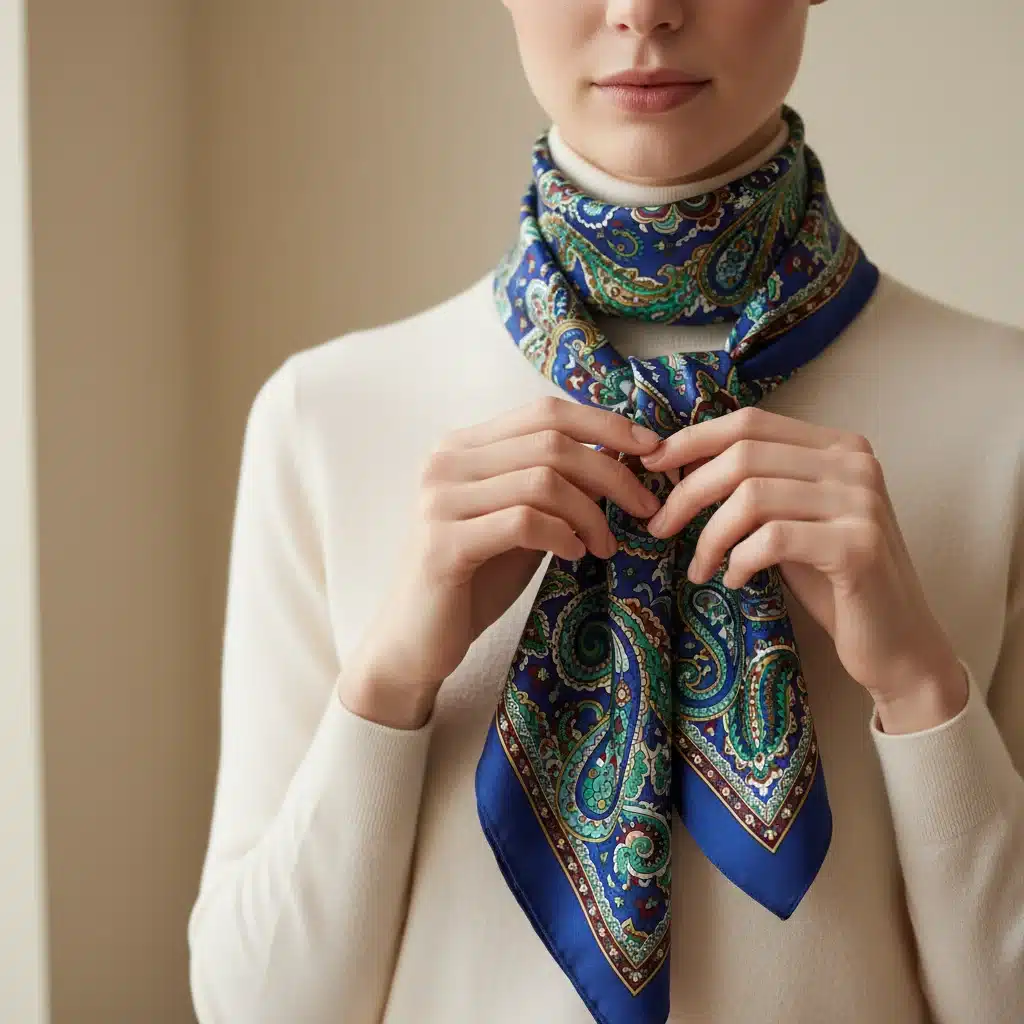
The Parisian Chic Knot is a classic for a reason – it exudes an effortless elegance that is both sophisticated and understated. This scarf styling technique is perfect for adding a touch of refinement to a simple top or dress. It works best with square silk scarves, but can also be adapted for lighter rectangular scarves.
How to Achieve the Parisian Chic Knot:
- Fold your square scarf diagonally to form a triangle.
- Roll the folded scarf from the longest edge towards the tip, creating a long, thin band.
- Place the center of the band at the front of your neck.
- Bring the two ends around to the back of your neck, cross them, and bring them back to the front.
- Tie a simple knot, adjusting it to sit comfortably and neatly at the base of your neck or slightly to the side.
This scarf styling technique is incredibly versatile. Pair it with a crisp white shirt for a professional look, or with a simple t-shirt and jeans for an elevated casual ensemble. The key is to keep the knot neat and the scarf fabric smooth, allowing the pattern or color to truly shine. This method showcases the beauty of the scarf itself, making it a focal point of your outfit without overwhelming it. It’s one of the foundational scarf styling techniques everyone should master.
Advertisements
2. The Head Scarf Wrap: Vintage Glamour Meets Modern Edge
Head scarves have made a triumphant return, blending vintage glamour with a modern, edgy twist. This scarf styling technique is not only fashionable but also practical, protecting your hair on windy days or adding a splash of color to an otherwise monochromatic outfit. There are numerous ways to wear a head scarf, from a simple bandeau to a full turban.
Popular Head Scarf Styles:
- The Turban: Fold a large square scarf into a triangle, place the long edge over your forehead, and tie the ends at the back of your head, then bring them forward to tie again or tuck them in. This offers full head coverage and a dramatic look.
- The Headband: Fold a long rectangular scarf into a thin band. Place it over your head, just behind your hairline, and tie it at the nape of your neck, leaving the ends loose or tucked in. This is a subtle yet chic way to incorporate a scarf.
- The Ponytail Wrap: Tie a small, thin scarf around the base of your ponytail or braid, letting the ends hang down for a playful and elegant touch.
When experimenting with head scarf styling techniques, consider the fabric. Silk scarves are excellent for a luxurious feel, while cotton or linen can offer a more casual vibe. This approach to scarf styling techniques allows for immense creativity and can truly define a unique personal aesthetic. It’s a fantastic way to add a bohemian touch or a sophisticated retro feel to your overall appearance.
3. The Belted Scarf: Cinching Your Style
Who says scarves are just for your neck? The belted scarf is an ingenious scarf styling technique that allows you to use a larger, rectangular scarf as a stylish alternative to a traditional belt, or to add an extra layer of flair over a coat or dress. This method not only defines your waist but also introduces texture and pattern to your outfit in an unexpected way.
How to Wear a Scarf as a Belt:
- Choose a long, rectangular scarf with an interesting pattern or color.
- Drape the scarf around your waist, over a dress, tunic, or even a light jacket.
- Tie it in a simple knot, a bow, or let the ends hang loose for a relaxed look.
- Alternatively, thread a thin scarf through your belt loops as you would a regular belt.
This scarf styling technique is particularly effective with solid-colored outfits, where the scarf can act as a vibrant focal point. It’s also great for adding structure to oversized garments. The belted scarf is a testament to the versatility of this accessory, proving that scarf styling techniques can extend far beyond the neck. It’s a fresh take that demonstrates how a single accessory can serve multiple functions in your wardrobe.
4. The Shawl Drape: Cozy and Chic
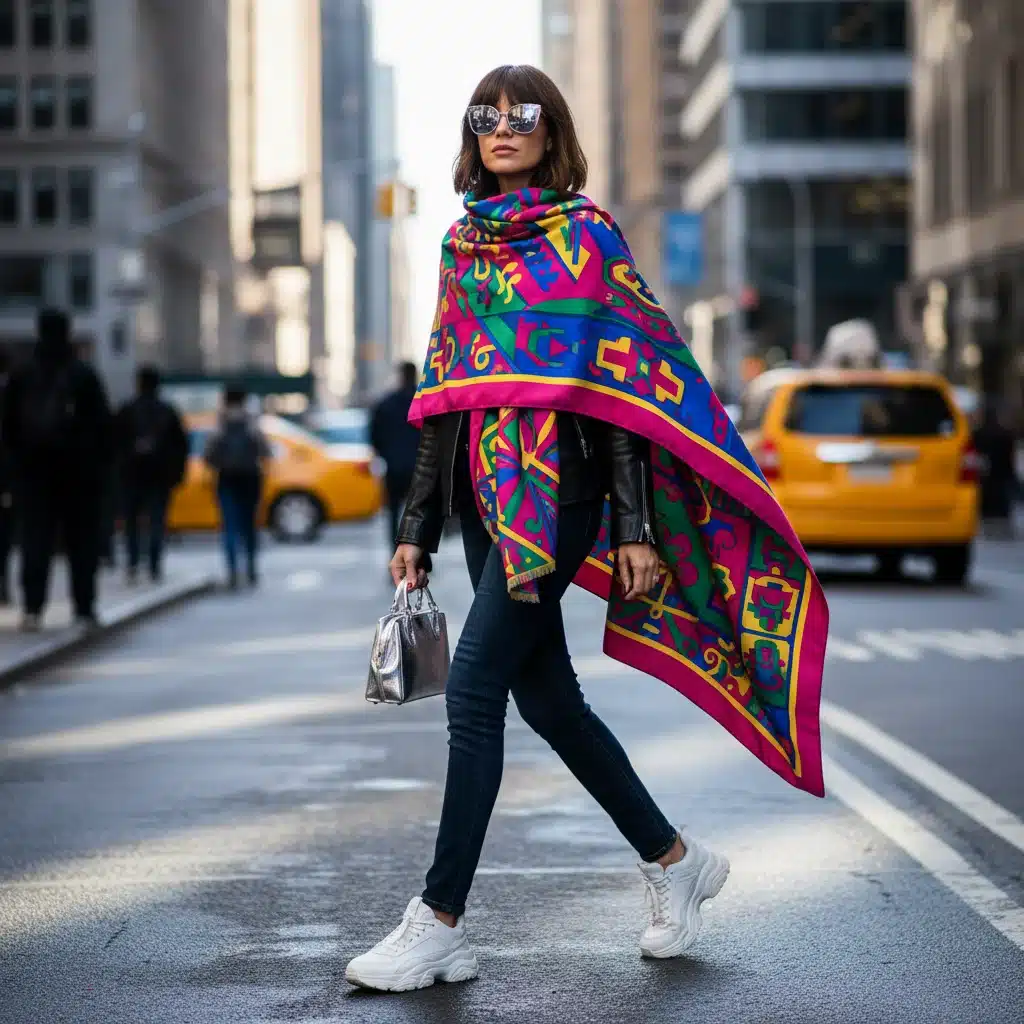
For those cooler days or evenings, or simply when you want to add a layer of sophisticated warmth, the shawl drape is an indispensable scarf styling technique. This works best with larger, often thicker scarves, such as pashminas, wool blends, or oversized cotton scarves. It’s about creating an elegant, flowing silhouette that is both comfortable and stylish.
Ways to Master the Shawl Drape:
- Simple Drape: Simply unfold your large scarf and drape it over your shoulders, allowing it to fall naturally. This is perfect for adding an extra layer over a dress or a sweater.
- Over-the-Shoulder Tuck: Drape the scarf over your shoulders, then toss one end over the opposite shoulder for a more secure and asymmetrical look.
- Belted Shawl: Drape the scarf over your shoulders and secure it at your waist with a stylish belt, creating a makeshift cardigan or wrap dress effect.
The shawl drape is one of the most comfortable scarf styling techniques, offering warmth without sacrificing style. It’s ideal for transitioning between seasons or for adding a touch of bohemian luxury to your attire. The choice of fabric and pattern can dramatically alter the overall effect, from a casual, cozy vibe to a more formal, elegant statement. This technique truly highlights the transformative power of a well-chosen scarf.
5. The Bag Embellishment: Accessorizing Your Accessories
Why stop at styling yourself when you can accessorize your accessories? Tying a scarf onto your handbag is a brilliant scarf styling technique that adds a personal touch, a splash of color, or an element of sophistication to an otherwise plain bag. This method works particularly well with smaller, silk scarves but can be adapted for various sizes and fabrics depending on the desired effect.
Creative Ways to Embellish Your Bag:
- Handle Wrap: Wrap a thin scarf tightly around one of your bag handles. This adds texture and a pop of color, and can even protect the handle from wear.
- Simple Bow: Tie a small scarf in a neat bow around the base of a handle or a metal clasp on your bag. This is a quick and easy way to add charm.
- Draped & Tied: For a larger scarf, drape it over the front of your bag and tie it loosely, allowing the ends to hang down. This creates a more dramatic and bohemian look.
This scarf styling technique is fantastic for refreshing an old bag or personalizing a new one. It allows you to coordinate your accessories with your outfit, or to simply add an unexpected element of style. The possibilities are endless when it comes to choosing colors and patterns, making it a fun and creative outlet for your fashion sense. It’s a subtle yet impactful way to integrate your scarf collection into your overall look.
6. The Wrist Wrap: A Modern Bracelet
For a truly contemporary and understated approach to scarf styling techniques, consider transforming a small scarf into a chic wrist wrap. This method offers a unique alternative to traditional bracelets and watches, adding a soft, flowing element to your arm. It’s perfect for those who appreciate subtle details and want to add a touch of color or pattern without being too bold.
How to Style a Scarf as a Wrist Wrap:
- Choose a small, thin silk scarf or a bandanna.
- Fold or roll the scarf into a narrow band.
- Wrap it around your wrist two or three times, depending on the length of the scarf.
- Tie a small, neat knot or a tiny bow, allowing the ends to hang delicately.
This scarf styling technique works wonderfully with both casual and more dressed-up outfits. It can be paired with other bracelets for a layered look or worn on its own as a statement piece. The wrist wrap is an excellent way to introduce a splash of color or a subtle pattern to your wrist, making it a sophisticated and unexpected accessory. It’s a testament to the fact that even the smallest scarf can make a big fashion statement.
7. The Hair Tie Alternative: Playful & Practical
Beyond the head scarf wrap, using a scarf as a hair tie is a playful and practical scarf styling technique that can instantly upgrade your ponytail, bun, or braid. This method adds softness, volume, and a touch of elegance that a regular hair elastic simply cannot achieve. It’s an easy way to incorporate color and pattern directly into your hairstyle.
Ideas for Using a Scarf as a Hair Tie:
- Ponytail Bow: Secure your ponytail with a regular hair elastic first, then tie a small scarf around the elastic in a bow.
- Braided In: For a more intricate look, braid a thin scarf directly into your hair. Start by tying the scarf to a section of hair at the beginning of your braid, then use the scarf as one of the three strands.
- Bun Wrap: After creating a bun, wrap a scarf around its base, tucking in the ends for a polished finish.
- Half-Up Tie: Gather the top section of your hair into a half-up style and secure it with a scarf, letting the ends flow down.
This scarf styling technique is ideal for adding a romantic or bohemian touch to your hairstyle. It’s particularly effective with silky or lightweight scarves that will move gracefully with your hair. The hair tie alternative is not only a stylish choice but also a gentle one for your hair, reducing breakage compared to harsh elastic bands. It’s a simple yet impactful way to elevate your everyday hairstyles.
Choosing the Right Scarf for Your Styling Needs
The success of any scarf styling technique often comes down to choosing the right scarf. Different fabrics, sizes, and patterns lend themselves to different looks and purposes. Understanding these nuances can significantly enhance your ability to create stunning ensembles.
Fabric Matters:
- Silk: Ideal for elegant knots, head wraps, and bag embellishments due to its smooth drape and luxurious sheen. It’s lightweight and adds a touch of sophistication.
- Cotton/Linen: Perfect for casual looks, such as a relaxed neck wrap or a bohemian headscarf. These fabrics offer breathability and a more laid-back texture.
- Wool/Cashmere: Best for warmth and volume, making them excellent for shawl drapes, cozy neck wraps, or layered looks in colder weather.
- Viscose/Modal: Often offer a good drape and vibrant colors, suitable for a wide range of styling techniques, providing a good balance of elegance and affordability.
Size and Shape Considerations:
- Square Scarves (Small to Medium): Excellent for Parisian knots, wrist wraps, and bag ties.
- Square Scarves (Large): Versatile for head wraps, simple neck drapes, and even as a makeshift top.
- Rectangular Scarves (Long & Thin): Ideal for hair ties, thin neck wraps, and braiding into hair.
- Rectangular Scarves (Large/Oversized): Perfect for shawl drapes, belted scarves, and creating voluminous neck styles.
When curating your scarf collection, think about the different scarf styling techniques you want to master. A diverse collection of scarves in various fabrics, sizes, and patterns will give you the most flexibility and creative freedom to experiment with all these wonderful methods.
Beyond the Basics: Advanced Scarf Styling Tips for 2026
Once you’ve mastered these 7 core scarf styling techniques, you might be ready to explore more advanced concepts. The world of scarf fashion is constantly evolving, and 2026 brings with it opportunities for even more creative expression.
Layering Scarves:
Don’t be afraid to layer multiple scarves! A thin silk scarf under a bulkier wool scarf can create an interesting play of textures and patterns. This technique adds depth and complexity to your outfit, making it a true statement of personal style. Experiment with different lengths and widths to create a dynamic visual effect. Layering also allows for more intricate combinations of colors and prints, pushing the boundaries of traditional scarf styling techniques.
Color and Pattern Play:
Use your scarves to introduce unexpected color combinations or to break up a monochrome look. A vibrant, patterned scarf can become the focal point of an otherwise simple outfit. Conversely, a solid-colored scarf in a rich hue can add sophistication to a busy pattern. Think about complementary colors, analogous schemes, or even bold contrasts to make your scarf truly pop. The art of balancing color and pattern is a key element in advanced scarf styling techniques.
Seasonal Adaptations:
Adapt your scarf styling techniques to the season. Lightweight silk and cotton scarves are perfect for spring and summer, offering protection from the sun or a touch of elegance in warmer weather. Heavier wool, cashmere, and chunky knit scarves are essential for autumn and winter, providing warmth and a cozy aesthetic. Consider how the texture and weight of your scarf contribute to the overall seasonal appropriateness of your outfit. This thoughtful consideration elevates your scarf game throughout the year.
Mixing Textures:
Combine your scarf with other textured elements in your outfit. A smooth silk scarf against a chunky knit sweater, or a delicate lace scarf paired with a leather jacket, can create a visually rich and interesting look. Texture mixing adds another dimension to your outfit, preventing it from looking flat or one-dimensional. This sophisticated approach to scarf styling techniques demonstrates a keen eye for detail.
The Enduring Appeal of Scarf Styling Techniques
The beauty of the scarf lies in its incredible versatility and timeless appeal. It’s an accessory that transcends trends, constantly reinventing itself through innovative scarf styling techniques. In 2026, as fashion continues to embrace individuality and sustainable choices, making the most of existing wardrobe pieces like scarves becomes even more relevant.
By mastering these 7 creative scarf styling techniques, you’re not just learning how to tie a piece of fabric; you’re gaining the ability to transform your entire wardrobe, express your personality, and adapt your look for any occasion. From the boardroom to a casual brunch, a well-styled scarf can be your most powerful fashion ally.
So, pull out your scarf collection, experiment with these methods, and don’t be afraid to get creative. The world of scarf styling techniques is vast and exciting, offering endless possibilities for personal expression. Embrace the art of the scarf and let your style shine in 2026 and beyond!
Remember, fashion is about having fun and feeling confident. These scarf styling techniques are merely guidelines to inspire you. The most important rule is to wear your scarf in a way that makes you feel fabulous. Happy styling!