Gen Z Fashion Impact: 3 Emerging Designers Redefining Style
The Impact of Gen Z: 3 Emerging Designer Collections That Captured US Attention in the Last 6 Months
The fashion world is in a constant state of flux, ever-evolving with the tides of cultural shifts and generational preferences. In recent years, no demographic has wielded as much transformative power over this industry as Generation Z. Born roughly between the mid-1990s and the early 2010s, Gen Z is not just a consumer group; they are a cultural force, dictating trends, challenging norms, and demanding authenticity and sustainability. Their influence extends far beyond mere purchasing power, shaping the very ethos of design and production. This generation, digitally native and globally aware, approaches fashion with a unique blend of individuality, social consciousness, and a penchant for breaking traditional boundaries. Understanding the Gen Z fashion impact is crucial for anyone looking to stay relevant in today’s dynamic market.
Gen Z’s relationship with fashion is characterized by several key traits. Firstly, they prioritize authenticity and self-expression. They use clothing as a powerful tool to communicate their identity, beliefs, and values, often rejecting conventional gender binaries and embracing fluid, inclusive styles. Secondly, sustainability and ethical production are non-negotiable for many Gen Z consumers. They are keenly aware of the environmental and social costs of fast fashion and actively seek out brands that align with their eco-conscious principles. This has fueled a surge in demand for upcycled, vintage, and ethically sourced garments. Thirdly, their digital fluency means they are constantly exposed to global trends and micro-trends, often discovering new designers and styles through social media platforms like TikTok and Instagram, rather than traditional fashion magazines. This digital-first approach also extends to their embrace of digital fashion and virtual try-ons.
The result of this generational shift is a vibrant, diverse, and often unpredictable fashion landscape. Established luxury houses are scrambling to adapt, while a new wave of emerging designers, who inherently understand and embody these Gen Z values, are rapidly rising to prominence. These designers aren’t just creating clothes; they’re crafting narratives, building communities, and offering a fresh perspective that resonates deeply with a generation hungry for change. Their collections often blend high fashion with streetwear, incorporate gender-neutral elements, and tell compelling stories through their designs. This article will delve into three such emerging designer collections that have not only caught the eye of the US market but have also profoundly illustrated the pervasive Gen Z fashion impact over the last six months.
We will explore how these designers have tapped into the zeitgeist, offering innovative designs that speak directly to Gen Z’s desire for individuality, sustainability, and digital-savvy aesthetics. From their unique design philosophies to their innovative use of materials and their engagement with their audience, these designers are at the forefront of a fashion revolution, proving that the future of style is being shaped by the youngest generation of trendsetters. Their success is a testament to the power of understanding and responding to the evolving demands of a generation that is not afraid to challenge the status quo and redefine what it means to be fashionable.
Advertisements
Designer 1: ‘ReGen Threads’ by Anya Sharma – The Upcycling Renaissance
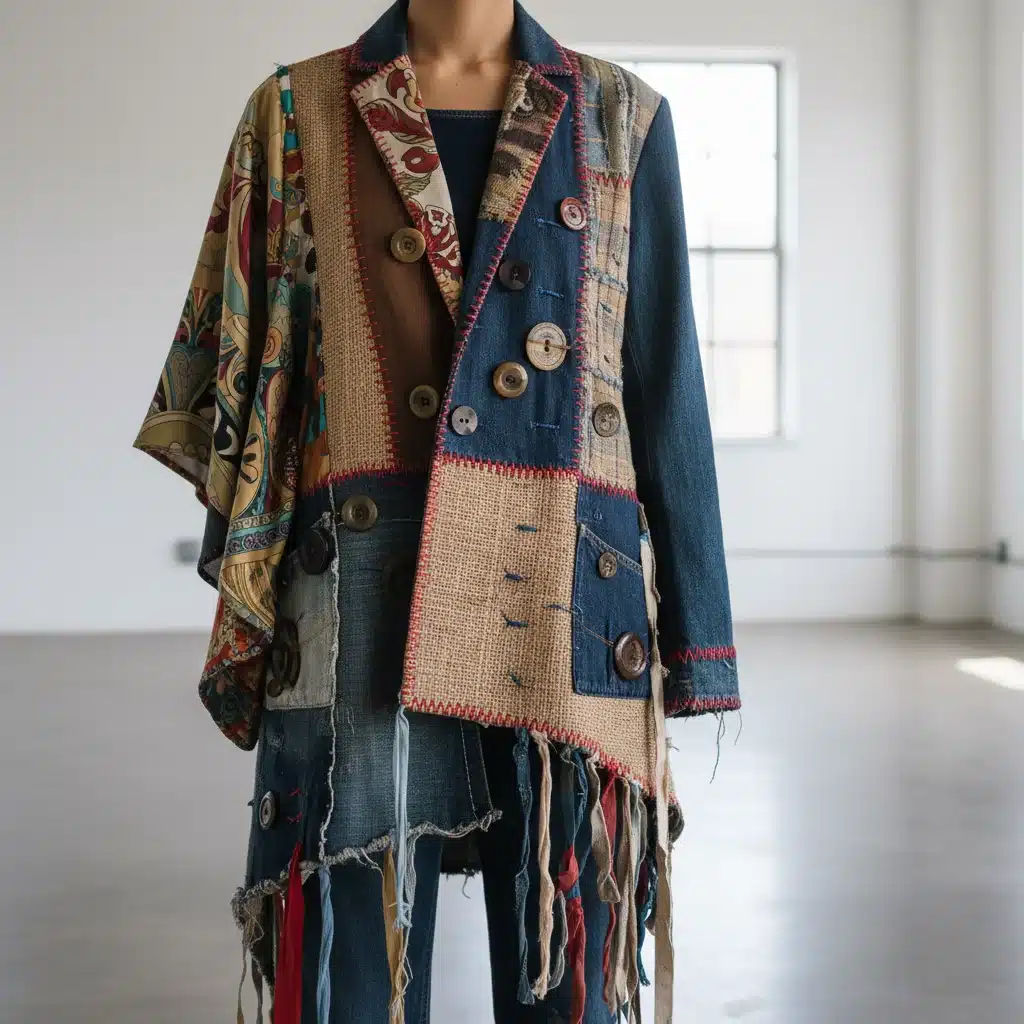
One of the most compelling examples of the Gen Z fashion impact comes from Anya Sharma’s ‘ReGen Threads’ collection. Sharma, a recent graduate from Parsons School of Design, launched her label six months ago with a mission to radically transform textile waste into high-fashion pieces. Her inaugural collection, presented digitally and through a series of pop-up installations in major US cities, immediately resonated with Gen Z’s strong emphasis on sustainability and conscious consumption. The collection wasn’t just about reusing materials; it was about reimagining them, giving them new life and a fresh narrative. Sharma’s philosophy is rooted in the belief that true luxury lies in originality and responsible creation, a stark contrast to the mass-produced uniformity often associated with traditional fashion.
What sets ‘ReGen Threads’ apart is Sharma’s ingenious approach to upcycling. She doesn’t just patch fabrics together; she deconstructs existing garments, often vintage or discarded pieces, and meticulously reassembles them into entirely new forms. Her designs feature asymmetrical cuts, unexpected fabric pairings, and intricate patchwork, creating garments that are truly one-of-a-kind. Each piece tells a story, carrying the faint echoes of its previous life while boldly asserting its new identity. For example, a trench coat might be crafted from a mosaic of vintage denim, army surplus canvas, and silk scarves, each element contributing to a rich tapestry of texture and color. This artistic approach to sustainability is deeply appealing to Gen Z, who value individuality and reject the idea of disposable fashion.
The collection’s success can also be attributed to its strong visual storytelling and community engagement. Sharma leveraged social media extensively, sharing behind-the-scenes glimpses of her creative process, highlighting the provenance of her materials, and engaging directly with her audience. She hosted virtual workshops on sustainable fashion and collaborated with Gen Z influencers who genuinely believed in her mission. This transparent and interactive approach built a loyal following, transforming customers into advocates. The ‘ReGen Threads’ collection quickly sold out online, with waitlists forming for new drops. Its widespread recognition in the US market underscores how deeply Gen Z’s values of environmental responsibility and unique self-expression are shaping consumer choices and propelling designers like Sharma to the forefront. The collection’s aesthetic, a blend of urban utility and bohemian artistry, perfectly captures the eclectic and purposeful style embraced by this generation. It’s a powerful illustration of the profound Gen Z fashion impact.
Designer 2: ‘Fluid Forms’ by Kai Chen – Redefining Gender and Form
Another designer who has made a significant splash with their collection, powerfully demonstrating the Gen Z fashion impact, is Kai Chen with their label ‘Fluid Forms.’ Chen’s work is a direct response to Gen Z’s rejection of traditional gender norms in fashion, offering a refreshing and inclusive vision of clothing that transcends conventional binaries. Launched in the last six months, ‘Fluid Forms’ quickly garnered attention for its innovative approach to gender-neutral design, blending masculine and feminine aesthetics into harmonious, expressive garments. Chen’s philosophy is that clothing should empower the individual, regardless of their gender identity, and provide a canvas for authentic self-expression.
The ‘Fluid Forms’ collection features silhouettes that are deliberately ambiguous yet universally flattering. Expect oversized blazers with soft drapes, tailored trousers that flow gracefully, and tops that can be styled in multiple ways to suit different body types and preferences. Chen often employs luxurious, tactile fabrics such as organic silks, soft wool blends, and innovative plant-based leathers, which add to the collection’s sophisticated yet approachable feel. Color palettes are often muted and earthy, punctuated by occasional bursts of vibrant, unexpected hues, allowing the wearer to integrate the pieces seamlessly into their existing wardrobe while still making a statement. The designs are characterized by their clean lines, thoughtful details, and an emphasis on comfort without sacrificing style.
What truly made ‘Fluid Forms’ resonate with the US Gen Z market was its powerful message of inclusivity and freedom. Chen’s campaigns prominently feature models of all genders, body types, and ethnic backgrounds, showcasing the versatility and universal appeal of the collection. They actively engaged with LGBTQ+ communities and used their platform to advocate for greater representation and understanding in fashion. This commitment to social justice and authentic representation is a cornerstone of Gen Z values, making ‘Fluid Forms’ a natural fit for their aesthetic and ethical preferences. The collection was celebrated for its ability to offer sophisticated, adaptable pieces that allow individuals to express their identity without constraint, cementing its place as a key player in the evolving landscape of gender-fluid fashion and a clear indicator of the powerful Gen Z fashion impact on design philosophy.
Designer 3: ‘Neo-Pixel’ by Maya Singh – The Digital Native Aesthetic
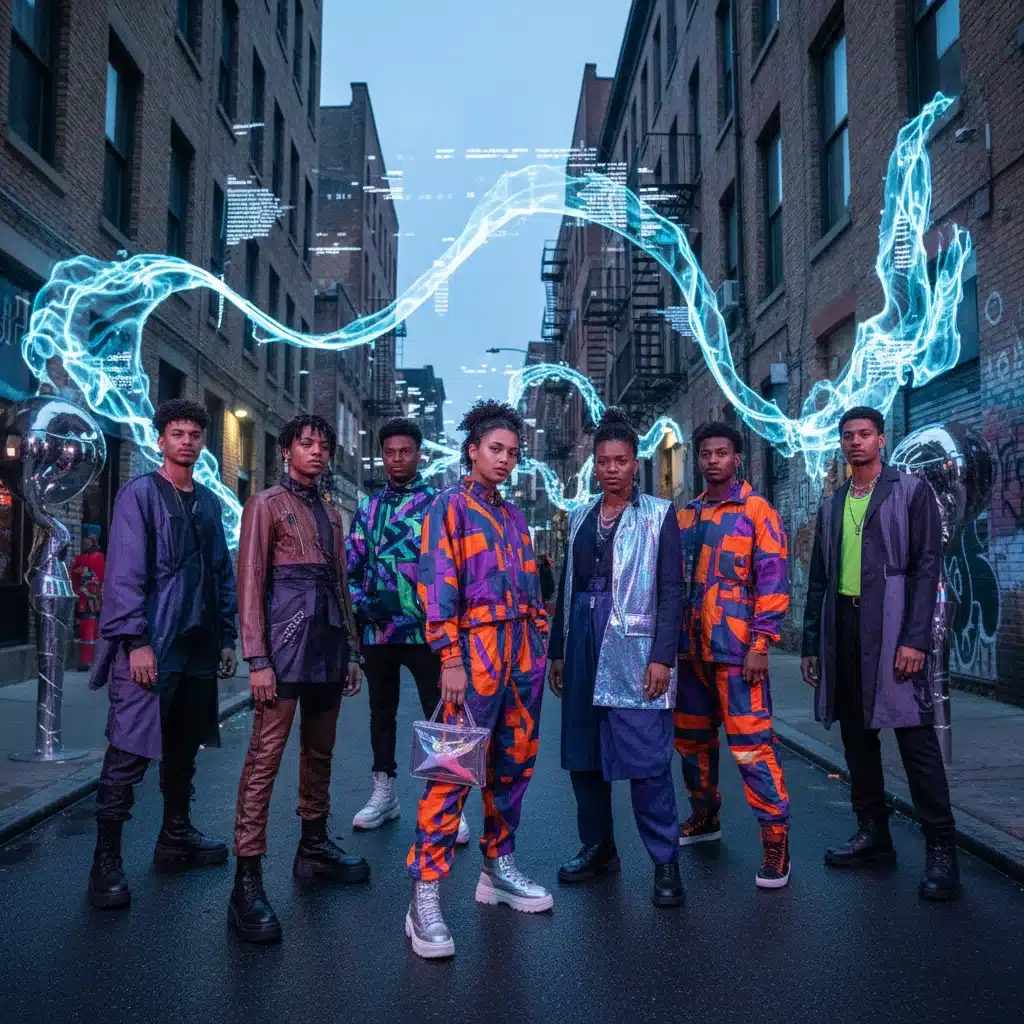
Rounding out our list of influential emerging designers is Maya Singh, whose ‘Neo-Pixel’ collection has brilliantly captured the attention of Gen Z in the US by bridging the gap between physical and digital fashion. Singh, a self-taught designer with a background in digital art and gaming, launched ‘Neo-Pixel’ six months ago with a vision to create clothing that speaks to the digital native generation. Her collection is a vibrant exploration of how virtual aesthetics and online culture can translate into tangible garments, reflecting Gen Z’s seamless integration of their online and offline identities. This innovative approach is a direct manifestation of the profound Gen Z fashion impact on contemporary design.
‘Neo-Pixel’ is characterized by its bold graphics, iridescent fabrics, and often modular designs that mimic the customizable nature of digital avatars. Singh incorporates elements inspired by video games, glitch art, and early internet aesthetics, translating them into wearable art. Think holographic materials that shift colors with movement, garments featuring pixelated prints, and accessories embedded with subtle LED lights. Her pieces are often designed to be layered and reconfigured, encouraging wearers to experiment and create their own unique looks, much like customizing a character in a virtual world. This playful and interactive approach to dressing is highly appealing to Gen Z, who value creativity and personalization.
Beyond the physical garments, Singh also offers digital versions of her collection, allowing customers to dress their avatars in ‘Neo-Pixel’ designs within popular metaverses and gaming platforms. This dual-pronged approach not only caters to Gen Z’s digital fluency but also taps into their desire for unique digital identities. She hosts virtual fashion shows, collaborates with digital artists, and uses augmented reality filters on social media to promote her collections, creating an immersive brand experience. The ‘Neo-Pixel’ collection has been praised for its forward-thinking vision, its ability to make digital concepts tangible, and its deep understanding of how Gen Z interacts with fashion in both physical and virtual realms. It stands as a testament to how the Gen Z fashion impact is pushing the boundaries of what fashion can be, blurring the lines between reality and the digital frontier.

The Broader Implications of Gen Z’s Influence
The success of ‘ReGen Threads,’ ‘Fluid Forms,’ and ‘Neo-Pixel’ is not just about individual designers; it’s indicative of a much larger shift in the fashion industry, driven by the profound Gen Z fashion impact. This generation is demanding more from brands than ever before, pushing for authenticity, ethical practices, and innovative design that reflects their diverse and fluid identities. Their influence is forcing established brands to re-evaluate their entire business models, from supply chains and manufacturing processes to marketing strategies and product offerings. The era of generic, one-size-fits-all fashion is rapidly drawing to a close, replaced by a demand for personalization, purpose, and genuine connection.
Sustainability as a Core Value
Gen Z’s unwavering commitment to sustainability is arguably one of their most significant contributions to the fashion landscape. They are not just interested in sustainable products; they want transparent supply chains, ethical labor practices, and a clear commitment to reducing environmental impact. This has led to a surge in interest in circular fashion models, including resale, rental, and upcycling. Designers who integrate these principles into their core business, like Anya Sharma, are finding immense success. This shift is forcing the entire industry to consider its environmental footprint and move towards more responsible production and consumption patterns. The demand for eco-friendly materials, reduced waste, and fair trade practices is becoming a powerful driver of innovation and change, showcasing the depth of the Gen Z fashion impact.
Inclusivity and Fluidity in Design
The rejection of rigid gender norms and the embrace of diversity are defining characteristics of Gen Z. This is manifesting in fashion through a growing demand for gender-neutral clothing, broader size ranges, and campaigns that genuinely represent the diverse tapestry of humanity. Kai Chen’s ‘Fluid Forms’ exemplifies this movement, creating clothing that empowers individuals to express themselves freely, unconstrained by traditional labels. This push for inclusivity extends beyond gender to include body positivity, cultural sensitivity, and a celebration of all forms of identity. Brands that fail to acknowledge and incorporate these values risk alienating a significant and influential consumer base, highlighting the crucial nature of the Gen Z fashion impact.
The Blurring Lines Between Physical and Digital
Gen Z’s native understanding of the digital world is transforming how fashion is consumed, experienced, and even designed. From virtual try-ons and digital fashion shows to NFTs and metaverse wearables, the digital realm is becoming an increasingly important space for fashion expression. Maya Singh’s ‘Neo-Pixel’ collection perfectly encapsulates this trend, demonstrating how designers can create compelling experiences that span both the physical and virtual worlds. This dual existence of fashion opens up new avenues for creativity, marketing, and community building, and it’s a trend that will only continue to grow as technology advances. The seamless integration of digital and physical fashion is a hallmark of the Gen Z fashion impact on the industry’s future.
Challenges and Opportunities for the Future
While the Gen Z fashion impact presents immense opportunities for innovation and growth, it also poses significant challenges for the industry. Established brands must navigate the complexities of shifting consumer values, adapt their production processes, and redefine their brand identities to resonate with this new generation. The fast pace of digital trends and the constant demand for novelty require agility and a willingness to experiment. However, for designers and brands that genuinely embrace Gen Z’s values – authenticity, sustainability, inclusivity, and digital innovation – the future of fashion is ripe with potential. These emerging designers are not just creating clothes; they are building movements, fostering communities, and setting the agenda for what fashion will look like for decades to come. Their success serves as a powerful blueprint for how to connect with a generation that is not just buying products, but investing in purpose and identity. The ripple effect of the Gen Z fashion impact will undoubtedly continue to reshape the industry in exciting and unpredictable ways.
Conclusion: Gen Z as the Architects of Tomorrow’s Fashion
In conclusion, the past six months have provided undeniable evidence of the profound and transformative Gen Z fashion impact on the industry. Emerging designers like Anya Sharma with ‘ReGen Threads,’ Kai Chen with ‘Fluid Forms,’ and Maya Singh with ‘Neo-Pixel’ are not merely creating new collections; they are charting a new course for fashion itself. Their success stories are compelling narratives of innovation, ethical consciousness, and a deep understanding of what truly resonates with a generation that values authenticity, sustainability, and self-expression above all else.
Sharma’s commitment to upcycling and ethical production addresses Gen Z’s environmental concerns head-on, proving that fashion can be both beautiful and responsible. Chen’s pioneering work in gender-neutral fashion challenges archaic norms, offering a liberating vision of style that is inclusive and empowering for everyone. And Singh’s seamless integration of digital aesthetics into physical garments speaks directly to the digitally native sensibilities of a generation that lives fluidly across online and offline worlds. These designers are not just following trends; they are actively setting them, using their platforms to advocate for a more conscious, inclusive, and innovative fashion future.
The fashion industry, both established and emerging, must pay close attention to these signals. The demands of Gen Z are not fleeting fads; they are fundamental shifts in consumer values that will continue to shape the market for years to come. Brands that embrace transparency, champion sustainability, celebrate diversity, and innovate across digital platforms will be the ones that thrive. The creative energy and ethical imperative brought forth by Gen Z are not just changing what we wear, but how we think about clothes, their origins, and their impact on the world. The future of fashion is being designed right now, by a generation that is unafraid to challenge the status quo and demand a better, more authentic, and more sustainable sartorial experience. The undeniable Gen Z fashion impact is here to stay, and its influence will only continue to grow, leading to an exciting and dynamic evolution of global style.